Honoring Contributions to Zongo Communities
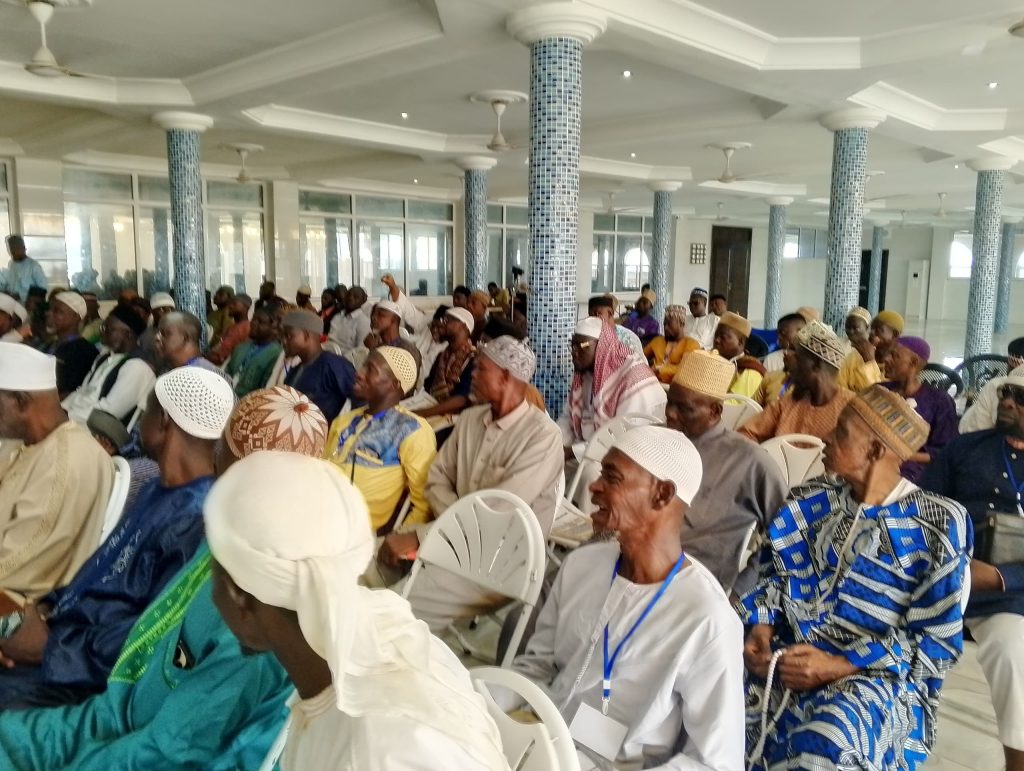
Sheikh Abdul Rahman Zakaria Al Shourkry, the Ashanti Regional Chief Imam, has recognized Alhaji Abdullahi Ali Barry, the Kumasi Zongo Nkosuohene (Development Chief), for his outstanding contributions to the development of Zongo communities within the Ashanti Region. This honor was bestowed during the closing ceremony of a three-day training workshop organized for district and municipal Imams in the region, held at the Kumasi Central Mosque.
The workshop, which marked the first of its kind in the Ashanti region, is expected to be an annual event. It aimed to enhance the knowledge and skills of participating Imams, emphasizing their critical role in promoting social security and national development. Sheikh Zakaria highlighted the importance of acknowledging individuals who contribute positively to their communities, noting that such recognition aligns with the teachings of the Quran, which encourages appreciation of virtuous deeds and community service.
Alhaji Ali Barry received a Holy Qur’an and various Hadith books as part of the recognition. These texts are essential sources of religious and moral guidance in Islam, offering insights into the words, actions, and approvals of the Islamic prophet Muhammad. The presentation of these materials was intended to deepen his understanding of Islamic principles of benevolence and community service.
Role of Imams in Social Security and National Development
During the event, Sheikh Mohammed Ridwan, chairman of the Zongo Peace and Reconciliation Committee, emphasized the vital role that Imams play in fostering collaboration with law enforcement, military, and local authorities. He stressed that regular dialogue between Imams and these agencies could significantly enhance community vigilance and promote social harmony.
Sheikh Ridwan also pointed out that Imams serve as moral guides and initial responders in conflict prevention and resolution within their communities. He urged them to stay informed about their responsibilities and actively collaborate with governmental agencies to address both internal and external security challenges. According to him, this collaboration is crucial in countering extremist and jihadist ideologies, as Islam is founded on the principles of peace, tolerance, and justice.
Addressing Challenges in Religious Leadership
Sheikh Ahmed Saeed, Secretary to the Ashanti Regional Chief Imam, raised concerns about certain Imams who may inadvertently complicate familial issues during marriage disputes and inheritance matters. He advised participants to avoid adjudicating such issues if they lacked the necessary knowledge and expertise. This recommendation underscores the need for Imams to seek continuous education and training to fulfill their roles effectively.
Alhaji Ali Barry expressed his gratitude for the gesture by the Regional Chief Imam and expressed hope that such initiatives would continue in the future. His recognition highlights the significance of community leaders who work tirelessly to uplift their communities and promote unity.
Broader Participation and Impact
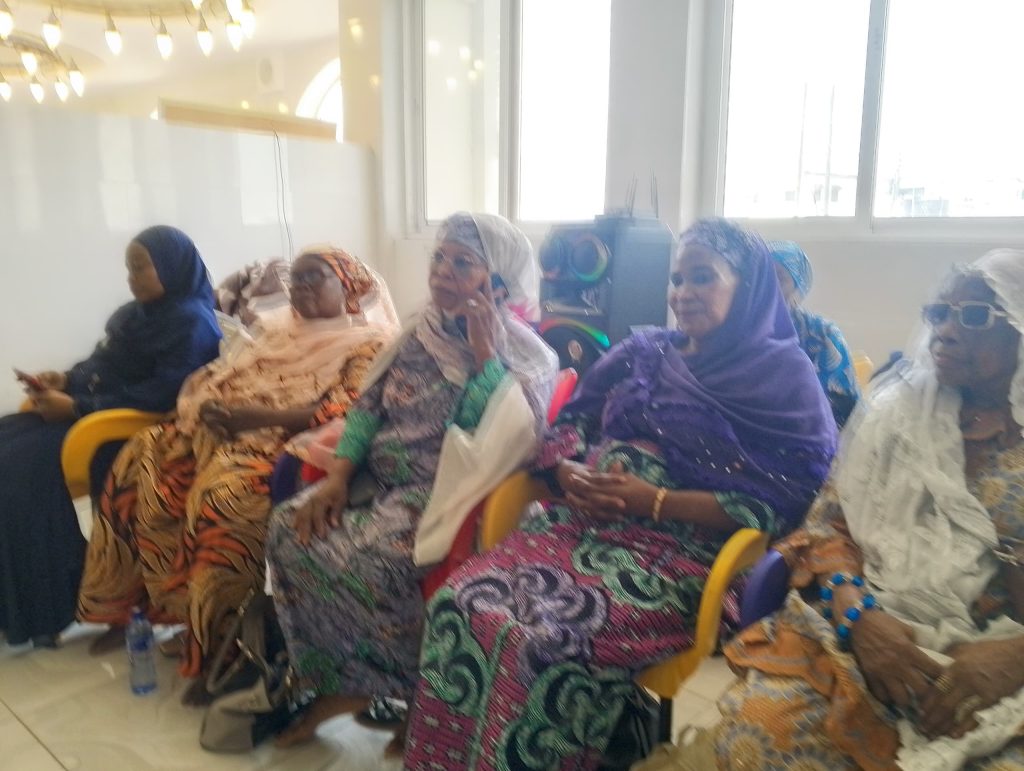
The event attracted a diverse group of attendees, including Imams from various sects, traditional leaders, women’s groups, and political representatives. This broad participation reflects the importance of interfaith and inter-community cooperation in addressing social and security challenges.
By recognizing the efforts of individuals like Alhaji Ali Barry, the Ashanti Regional Chief Imam not only honors their contributions but also sets a precedent for future initiatives that aim to strengthen community ties and promote national development.