
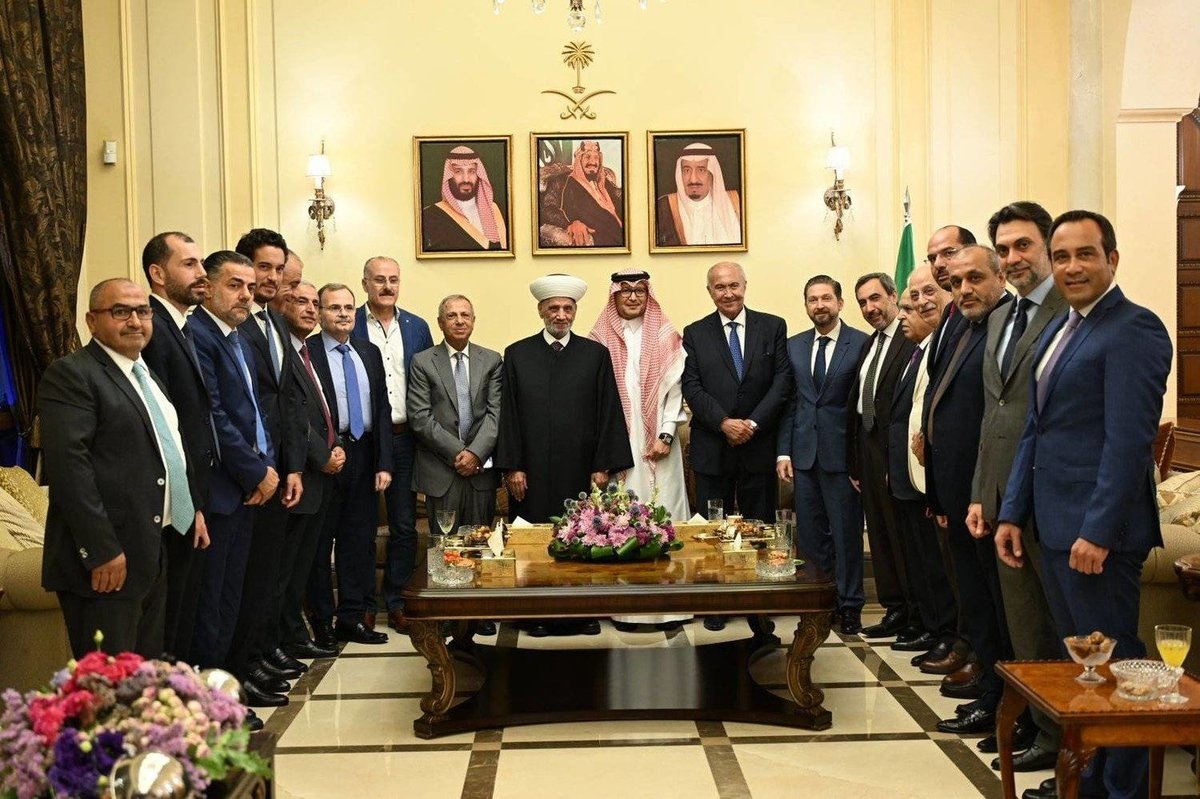
Saudi-Lebanon Military Discussions Highlight Regional Tensions
Saudi Ambassador to Lebanon Walid Bukhari met with Lebanese Army Commander General Rodolphe Haykal on Thursday. The meeting focused on the deployment of the Lebanese army in southern Lebanon, following a recent decision by the Lebanese government to begin disarming Hezbollah in that region. This move has sparked significant concern among regional actors and is seen as a critical step in the ongoing efforts to stabilize the area.
The discussions between Bukhari and Haykal come at a time of heightened diplomatic activity. A visit by Saudi envoy Prince Yazid Bin Farhan is expected soon, with reports indicating that Bin Farhan will arrive in Beirut on Friday accompanied by a high-level official. Another report suggests that the visit may officially start on Monday. These developments underscore the importance of Saudi Arabia’s role in shaping the political landscape in Lebanon.
Hezbollah’s Strong Response to Negotiation Prospects
Hezbollah, the powerful Shia militant group, has strongly opposed any potential political negotiations between Lebanon and Israel. The group has reiterated its stance that it has the right to defend itself, particularly in the wake of increased pressure from the United States and Egypt for Lebanon’s leaders to engage in direct talks with Israel. This position reflects the deep-seated tensions between Lebanon and its northern neighbor, which have been exacerbated by the ongoing conflict in the region.
The Lebanese government held a meeting later on Thursday to review the progress of its efforts to disarm Hezbollah. This comes amid growing international pressure, especially from the U.S., to take decisive action against the group. The government’s actions are being closely watched by both regional and global powers, as they could have far-reaching implications for stability in the Middle East.
Ongoing Israeli Presence and Strikes
Despite the November 2024 ceasefire agreement that ended the latest war between Israel and Hezbollah, Israel continues to maintain troops in five areas in southern Lebanon. Additionally, the country has carried out several strikes in the region, raising concerns about the potential for renewed conflict. These actions highlight the fragile nature of the current truce and the challenges in achieving lasting peace.
The U.S. has played a significant role in increasing pressure on Lebanese authorities to take steps toward disarming Hezbollah. This pressure is part of a broader strategy to curb the influence of the group and promote regional security. However, the effectiveness of these measures remains uncertain, given the complex dynamics at play in the region.
Regional Implications and Future Outlook
The situation in southern Lebanon is not only a domestic issue for Lebanon but also has significant regional implications. The involvement of Saudi Arabia, the U.S., and other international actors underscores the strategic importance of the area. As the Lebanese government continues to navigate these challenges, the path forward remains unclear.
The upcoming visit by the Saudi delegation is expected to provide further insight into the direction of Saudi-Lebanon relations and the broader regional strategy. With tensions continuing to simmer, the coming weeks will be crucial in determining the future of the region.