
The Urgent Need for Agile Project Management in Nigeria
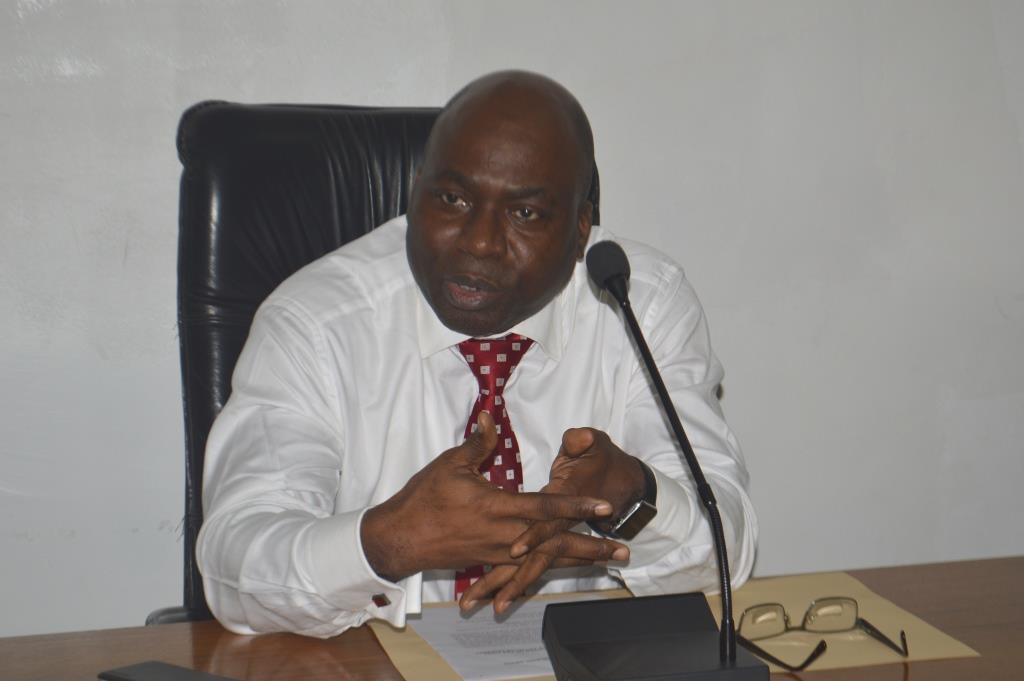
The Registrar-General of the Chartered Institute of Project Managers of Nigeria (CIPMN), Henry Mbadiwe, has raised concerns about the rigid approach to project implementation in the country, which he claims is leading to significant financial losses and poor outcomes. This warning was delivered during a press conference in Abuja on Thursday, highlighting the importance of adhering to professional standards in project management.
Mbadiwe emphasized that any individual or organization practicing project management without a valid license from CIPMN could face legal consequences, including up to two years in prison under the Establishment Act. The briefing coincided with International Project Management Day, themed “The Power Trio: Project, Leadership and Agile.”
Embracing Agile Methods for Better Outcomes
Mbadiwe stressed the need for project managers to adopt agile delivery methods that allow for flexibility and rapid adaptation to changing circumstances. He pointed out that one of the main challenges in both public and private sectors is the presence of rigid hierarchical processes, which hinder adaptability and lead to cost overruns and wasted efforts.
He explained, “In an ever-changing world, you cannot work without using agile processes. It’s almost impossible because something is this way today, and as you progress, you find that the world is changing and you have to make adjustments.” Mbadiwe argued that project methodologies must allow for changes, making agility essential for success.
The Consequences of Rigid Processes
Mbadiwe noted that many completed projects in Nigeria have ended up costing the government far more than necessary. He lamented the high rate of project failures and cost overruns, attributing them to poor planning, rigid processes, and a lack of accountability. He urged the institute to push for better project delivery practices.
“Some projects have cost Nigerians two or three times more than their true value,” he said. “We must begin to ask, What is the real value of this project, and how much waste did it generate?”
Enforcing Professional Standards
Under the new enforcement regime by CIPMN, only registered and licensed project managers will be allowed to handle projects in Nigeria. This initiative aims to improve efficiency, accountability, and transparency across sectors. Mbadiwe highlighted that the institute would hold project managers to higher professional standards to ensure that projects deliver real value to Nigerians rather than just being completed.
He added that the institute had intensified regulatory oversight to restore professionalism, accountability, and transparency in project execution across both the public and private sectors.
Legal Implications and Enforcement Measures
Mbadiwe declared that anyone practising project management without a CIPMN license commits an offence, punishable by a two-year jail term or a fine. The same applies to any organization that hires such unlicensed individuals to lead projects; both the individual and the institution will be liable.
The institute plans to launch a nationwide enforcement drive to ensure that only registered and licensed professionals handle projects. Mbadiwe explained that the exercise had been delayed while the institute searched for a qualified compliance director but confirmed that a national task team had already been set up to oversee the process.
Digital Verification and Transparency
To enhance transparency and ease enforcement, the CIPMN has launched a digital verification platform that enables instant confirmation of licensed project managers using QR-coded identity cards. With a simple phone scan, users can verify whether a project manager is licensed or not.
Mbadiwe also mentioned that the CIPMN’s digital system allows licensed practitioners to raise alerts if pressured by employers to take unethical shortcuts, protecting both the individual and the integrity of the project.
Addressing Systemic Gaps
Under the new regulatory framework, every licensed project manager will be required to maintain a risk register, change request log, and documented delivery plan for every project. These measures will allow CIPMN to track performance, enforce accountability, and identify systemic gaps early.
Nigeria has long struggled with poor project delivery, with hundreds of federal and state projects either abandoned or completed at inflated costs. According to a 2022 report by the Independent Corrupt Practices and Other Related Offences Commission, over N2tn worth of government projects were found to be poorly executed or abandoned within five years.
Expanding Reach and Curriculum Development
Mbadiwe provided updates on the institute’s operations, revealing that CIPMN currently has about 1,200 licensed core members and over 3,600 affiliate and training members nationwide. The institute has developed a 12-module curriculum for the licensing and accreditation of project managers in Nigeria, with five elective modules tailored to Nigeria’s unique development environment.
He stated that the new framework would take effect next year, emphasizing that the institute has studied international project management standards and adapted them to fit Nigeria’s realities. Universities can now run project management courses using a curriculum designed by CIPMN.
Financial Independence and Expansion Plans
Mbadiwe clarified that although the institute operates under a federal charter, it receives no annual subvention from the government, relying instead on self-generated funds from membership, training, and accreditation. He added that the institute is expanding gradually beyond Abuja to Lagos and Port Harcourt, with hopes to open zonal offices across Nigeria’s six geopolitical regions once funding improves.
“We are not asking for yearly government appropriation,” he said. “He who pays the piper dictates the tune. However, a one-time grant or subvention to help us expand would be helpful.”
Future Events and Commitment to Excellence
Mbadiwe announced that the institute will host its Annual Conference and 6th Induction Ceremony from December 2 to 4, 2025, bringing together policymakers, industry leaders, and professionals to discuss leadership, project governance, and innovation.
He reaffirmed CIPMN’s commitment to professionalism, accountability, and sustainable project execution. “Project management is not just a technical process. It’s a driver of national transformation. When projects succeed, Nigeria succeeds,” he concluded.