
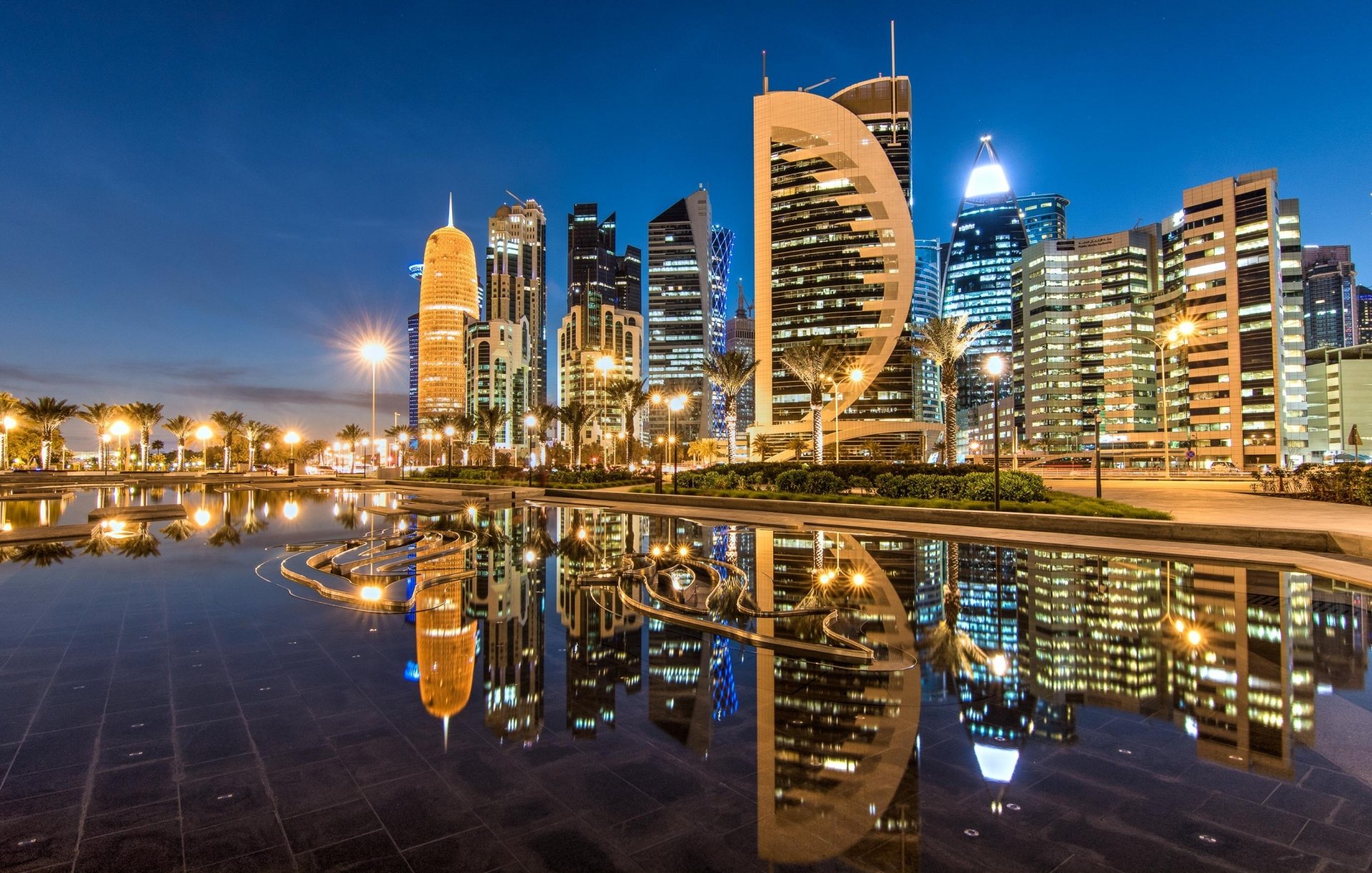
A Global Dialogue on Social Development
The bustling corridors of the Qatar National Convention Centre have become a hub for discussions on social development, where civil society networks and private sector leaders come together to explore ways to create a more equitable future. With nearly 14,000 attendees registered for the Second World Summit for Social Development in Doha, this event has become a critical platform for governments, global organizations, and community voices to shape what a fairer future might look like.
UN News is covering two major events that took place alongside the Summit on Wednesday: one focused on the role of the private sector, and the other on the contributions of civil society.
Business Forum: Not Charity – Smart Investment
The Private Sector Forum, co-hosted by the International Organisation of Employers, the UN Global Compact, and the UN Department of Economic and Social Affairs (DESA), highlighted how companies can support inclusive growth while adapting to technological changes, climate challenges, and evolving labor markets.
UN General Assembly President Annalena Baerbock opened the event by emphasizing the urgent need to achieve the Sustainable Development Goals (SDGs) within a narrowing timeframe. She pointed out that the annual financing gap for the SDGs currently stands at 4 trillion US dollars.
“Money as such is not the problem,” she said. “The question rather is how and where it is invested.”
Baerbock noted that companies with strong environmental, social, and governance performance report operating margins 10% higher and a cost of capital 20% lower. “In simple terms: they are more profitable,” she added.
She stressed that the private sector is not being asked to act out of charity. Instead, inclusive business models strengthen societies and boost market confidence, creating an environment where businesses can grow and prosper.
Later, Gilbert Houngbo, Director-General of the International Labour Organization (ILO), closed the forum with a call for cooperation. He emphasized that “no single country, no single company can navigate current challenges in isolation.” He added that “universal and lasting peace can only be established based on social justice.”
Civil Society Forum: People Power on the Show
A few rooms away, the Civil Society Forum kicked off with inspiring stories of community-led solutions already making a difference. From Moroccan women’s cooperatives producing argan oil to the “Solar Mamas” of Cameroon installing solar panels in rural villages, these examples showcased the power of grassroots initiatives.
Deputy Secretary-General Amina Mohammed praised the efforts of grassroots groups, crediting them for keeping governments accountable and ensuring that social justice and inclusion were not just words on paper.
“You are proof that social development matters and always will be, because you make it real in communities and in people’s lives every day,” she told participants. “You are our copilots.”
The forum concluded on Thursday, along with the summit, with discussions centered around ten themes drawn from the 1995 Copenhagen Declaration. These themes focused on how to ensure policy translates into real improvements in daily life.