
Environmental Protection Authority Takes Strong Action Against Illegal Mining
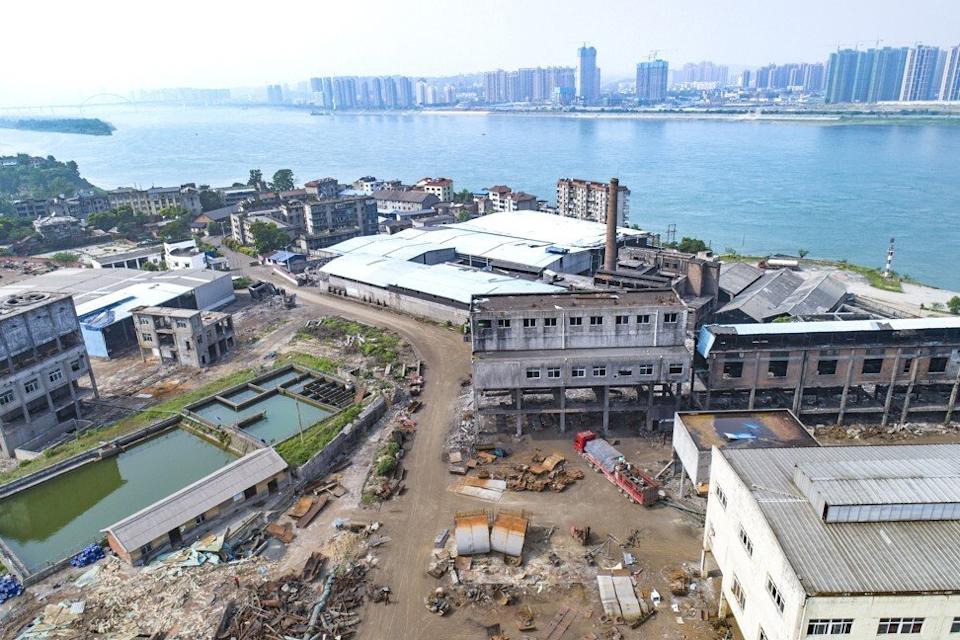
The Environmental Protection Authority (EPA) has taken decisive action by shutting down five Chinese-owned warehouses located in Anwia Nkwanta, Ashanti Region. These facilities were reportedly involved in the illegal fabrication and storage of changfan machines and other equipment used in galamsey — a term commonly used to describe illegal mining activities.
This operation was led by the EPA’s CEO, Professor Nana Ama Browne Klutse, who emphasized that the move follows a nationwide directive aimed at banning the production and use of changfan machines. These devices have been identified as a major contributor to environmental degradation, particularly in Ghana’s rivers and water bodies.
According to Professor Klutse, the EPA discovered hundreds of changfan components and water pumps during the raid. The warehouses had initially been registered for the storage and sale of spare parts for caterpillar vehicles. However, investigations revealed that the operators had diverted their operations toward manufacturing and selling changfan machines for illegal mining purposes.
“The owners initially applied to sell parts for heavy-duty vehicles, but our investigations revealed that they had diverted into the manufacture and sale of changfan machines used in illegal mining,” Prof. Klutse disclosed.
She added that documents seized from the warehouses confirmed that the Chinese operators were licensed only for the trade of spare parts — not for manufacturing mining machinery.
The EPA boss further hinted that similar operations would be replicated in other regions where illegal mining activities are rampant. “We are determined to protect our environment, rivers, and lands. The EPA will not sit idle while a few selfish individuals destroy what belongs to all Ghanaians,” she warned.
Environmental Impact of Illegal Mining
Professor Klutse noted that illegal mining continues to pose a serious threat to Ghana’s environment and public health. She lamented that despite several government interventions, activities of galamsey operators have led to the contamination of major rivers such as the Offin, Pra, and Ankobra, making water treatment costly and threatening the survival of aquatic life.
Environmental experts have long warned that if illegal mining is not curbed, Ghana could face an acute water crisis in the coming years. Many communities are already struggling with polluted water sources and degraded farmlands, leading to food insecurity and health problems.
Collaborative Efforts to Combat Illegal Mining
The EPA says it will collaborate with other security and regulatory agencies to track down individuals and companies involved in the importation, fabrication, and distribution of changfan machines across the country.
“When these changfan machines are impounded and destroyed, it will go a long way to reduce illegal mining activities,” Prof. Klutse emphasised.
The agency is urging the public to report any suspicious manufacturing or sale of mining equipment in communities, to help protect the environment for future generations.
Ongoing Challenges and Public Responsibility
Despite the recent crackdown, illegal mining remains a persistent issue in many parts of Ghana. The government and environmental agencies continue to face challenges in enforcing regulations and ensuring compliance.
The EPA’s actions highlight the growing urgency to address the environmental and health risks associated with galamsey. As the situation evolves, the role of the public in reporting suspicious activities becomes increasingly vital.