
Ghana’s Multidimensional Security Strategy Along the Eastern Corridor
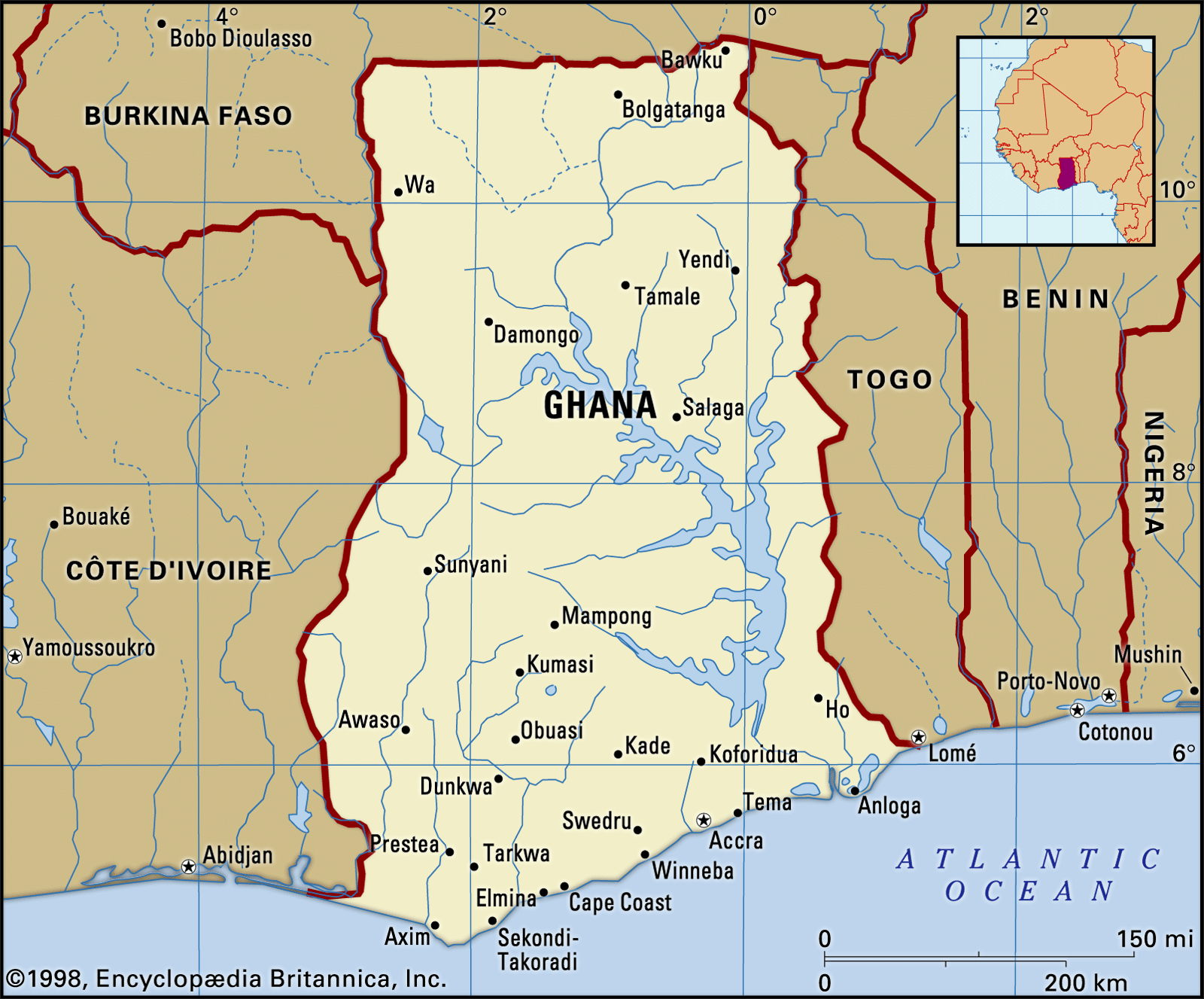
Ghana has taken significant steps to enhance its security framework along the eastern corridor, particularly in response to the recent political instability in neighboring Togo. This move is aimed at safeguarding the country’s territorial integrity and national security. The Deputy Minister of Defence, Mr Ernest Brogya Genfi, revealed this strategy during a session in Parliament on Thursday, November 6.
The disclosure came after Nana Asafo-Adjei Ayeh, the Member of Parliament for Bosome-Freho, raised an urgent question regarding the measures being taken by the government to protect Ghana’s borders amidst the ongoing upheavals in Togo. Mr Brogya Genfi provided detailed insights into the government’s approach, emphasizing that it goes beyond mere military action.
Enhanced Surveillance and Patrols
Mr Brogya Genfi explained that the Ghana Armed Forces, in collaboration with other intelligence agencies, have significantly increased their surveillance and patrols along the unprotected routes in the eastern corridor. This intensified effort aims to ensure that all potential entry points are monitored effectively.
A Holistic Approach to Security
The Deputy Minister highlighted that the strategy is not solely focused on military operations but also incorporates humanitarian and disaster management components. This comprehensive approach ensures that while security is maintained, support is also provided to affected populations along the corridor.
“We are working closely with the National Disaster Management Organisation (NADMO) and the United Nations High Commissioner for Refugees (UNHCR) to provide humanitarian logistics and assistance to displaced persons who may seek refuge in Ghana,” the Deputy Minister stated.
Combining Border Security with Humanitarian Support
According to Mr Brogya Genfi, the government’s multidimensional approach integrates border security operations, intelligence sharing, and humanitarian support systems. This combination is designed to address both immediate threats and potential spillover effects from Togo’s political unrest.
The strategy is intended to create a robust defense mechanism that not only protects Ghana’s sovereignty but also ensures that the country fulfills its international obligations. By providing humanitarian relief to vulnerable groups affected by regional instability, Ghana is demonstrating its commitment to regional stability and cooperation.
Commitment to Sovereignty and Humanitarian Aid
Mr Brogya Genfi assured Parliament that the government remains dedicated to protecting its sovereignty while upholding its responsibilities to assist those in need. This dual focus reflects a balanced approach that recognizes the importance of both national security and international solidarity.
Key Components of the Strategy
- Enhanced Surveillance:Increased monitoring of border areas to prevent unauthorized movements.
- Intelligence Sharing:Collaboration between various agencies to gather and share critical information.
- Humanitarian Assistance:Provision of aid and support to displaced individuals, ensuring their safety and well-being.
- Disaster Management:Coordination with organizations like NADMO and UNHCR to manage any potential crises.
- Regional Cooperation:Engagement with neighboring countries to maintain stability and prevent conflicts from escalating.
This strategic initiative underscores Ghana’s proactive stance in addressing regional challenges while maintaining a strong and secure national identity. By integrating multiple dimensions of security and support, the country is better equipped to handle any future uncertainties in the region.