
The Importance of Unity and Coexistence
The Israeli Ambassador to Nigeria, Michael Freeman, has urged Nigerians to embrace unity and coexistence, emphasizing that peace and progress can only flourish in societies built on dialogue, empathy, and mutual respect. His message was delivered during an interfaith conference focused on coexistence among Abrahamic faiths in Abuja. Freeman described the discussions as “important and very timely,” especially given the ongoing struggles with division and misunderstanding around the world.
“It’s an honour to join today’s important and very timely discussions on coexistence. At a time when so many parts of the world are struggling with division and misunderstanding, this conversation could not be more necessary,” Freeman said.
He elaborated that coexistence is more than just the absence of conflict; it is the presence of respect, empathy, and shared purpose. Freeman highlighted the importance of choosing dialogue over hate, building bridges rather than walls, and recognizing that diversity can be a source of strength rather than weakness.
Israel’s Model of Coexistence
Freeman provided examples from Israel, where Jews, Muslims, Christians, and Druze live, work, and study side by side. He noted that in Israel’s hospitals, doctors treat all patients equally, and in its universities, students from every background learn together. In the parliament, voices from every community help shape the nation’s future.
While acknowledging that coexistence in Israel is not perfect, he stressed that it is real and cherished. He welcomed Druze guests from Suweda as a reminder that “coexistence is not limited by borders.”
Freeman also praised Israel’s regional peace efforts through the Abraham Accords, which have strengthened ties with Morocco, Bahrain, and the United Arab Emirates. These accords have already changed the face of the Middle East, proving that peace between peoples is possible when we focus on what unites us.
Lessons for Nigeria
Drawing parallels with Nigeria, Freeman noted that the country mirrors the same aspiration of being diverse, faithful, and full of promise. However, he acknowledged the painful challenges Nigeria has faced, including attacks on Christian and Muslim communities. Each tragedy is a wound that must be healed, and healing can only begin through understanding and partnership.
He emphasized that sustainable peace must start at the grassroots level. “Peace does not begin in government halls or international conferences. It begins in neighborhoods, in schools, in our places of worship, and in our hearts.”
Freeman reaffirmed Israel’s commitment to deepening cooperation with Nigeria in innovation, agriculture, education, and security. “Our shared belief is that coexistence is essential to progress, security, and hope. Where difference is celebrated and unity is protected—that is how peace is sustained, that is how nations thrive,” he said.
Voices from the Interfaith Conference
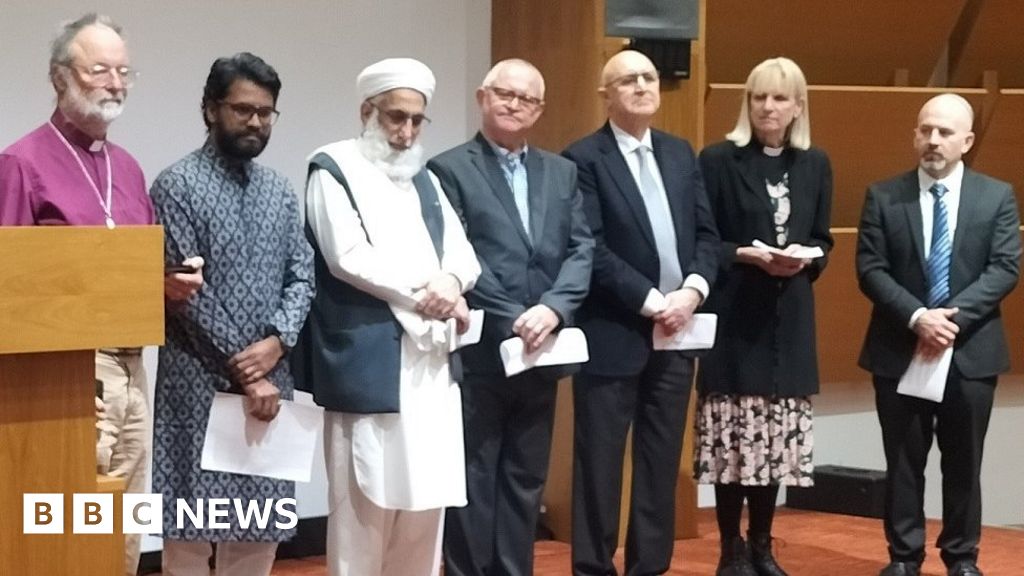
Religious leaders at the conference echoed Freeman’s call for unity and grassroots engagement. Imam Muhammed Ashafa of the Muslim community emphasized the importance of coming together to discuss issues that matter to all, such as freedom of practice, the welfare of youth, and family life. He added that religious education should prepare young people “to build, not to disagree,” and that faith leaders must actively prevent division.
Rabbi Menachem Chitrik of the Jewish community stressed the need for leadership by example. “You have to be an example in your house, reflecting on the personal and educational work required to model respect across beliefs. Our leaders must be willing to stay and work through crises, not walk away.”
Archbishop Peter Ogunmuyiwa of the Christian Association of Nigeria praised the spirit of inclusiveness at the event. He urged leaders and citizens to put principles into practice, warning that claims of superiority only breed conflict. “When we see ourselves as one family, we will not fight one another,” he concluded.
International Scrutiny and Nigeria’s Response
The call for unity and grassroots peace comes amid heightened international scrutiny of Nigeria. In October 2025, United States President Donald Trump designated Nigeria a “country of particular concern” over alleged large-scale killings of Christians by Islamist extremists. He threatened to halt US aid and instructed the US defence department to “prepare for possible action” if the attacks did not stop.
The Federal Government has strongly rejected the characterisation, insisting that it protects citizens of all faiths under the constitution and that the violence affects both Muslims and Christians.