
A Daring Escape Across the Border
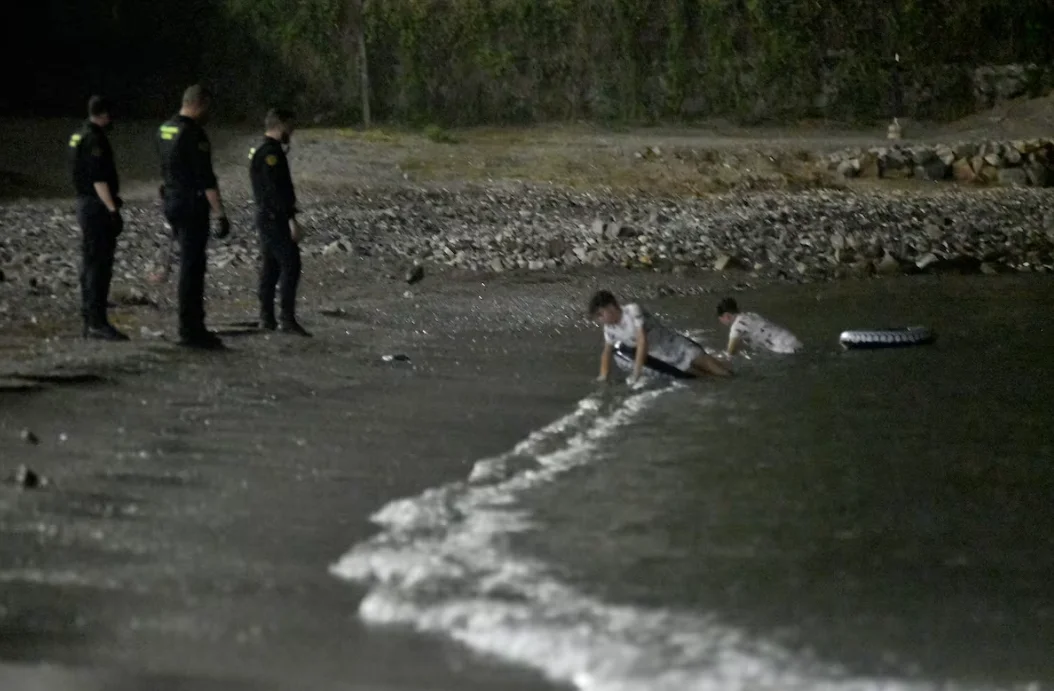
In a bold and risky move, six migrants, including three underage girls, managed to swim from Fnideq to Ceuta in recent hours. This incident highlights the ongoing challenges faced by border regions as they deal with an increasing number of migrants seeking refuge or a better life.
Spanish security sources indicated that the group took advantage of unfavorable weather conditions to attempt the dangerous swim towards the Tarajal border beach. Once they reached the shore, authorities discovered that three of the swimmers were minors, raising concerns about their safety and well-being.
Immediate Actions Taken by Authorities
The Ceuta authorities have taken swift action, announcing that the three girls will be placed under the care of the local government. This measure is part of broader efforts aimed at addressing the growing migrant crisis in the region. To date, 61 Moroccan minors have already been relocated to other areas in Spain, helping to ease the pressure on Ceuta’s resources.
Despite these efforts, the situation remains dire. Ceuta is currently dealing with the presence of 495 migrant minors, which is a staggering 510% above its capacity. Since the start of the year, nearly 700 minors have arrived, compared to 820 during the same period in 2024. These numbers underscore the severity of the issue and the need for more comprehensive solutions.
Overwhelmed Infrastructure and Resources
Approximately 75% of these minors are housed in temporary emergency centers, as the main facility, La Esperanza, is operating at full capacity. This overcrowding has led to increased strain on available resources and staff, making it difficult to provide adequate care and support to all the children.
The situation has prompted calls for additional funding and resources to improve conditions for the minors. Local officials and advocacy groups are working together to find sustainable solutions that can address both the immediate needs and long-term challenges posed by the influx of migrants.
Ongoing Challenges and Future Outlook
The challenges faced by Ceuta are not unique. Many border regions across Europe are experiencing similar issues, with rising numbers of migrants and refugees seeking entry. The current system is struggling to keep up with the demand, leading to calls for reform and increased international cooperation.
As the number of arrivals continues to rise, it is essential for governments and organizations to work together to develop effective strategies. This includes improving access to legal pathways for migration, enhancing support systems for vulnerable individuals, and investing in infrastructure to accommodate the growing population.
Conclusion
The recent escape of six migrants, including three underage girls, serves as a stark reminder of the challenges faced by border regions. While immediate actions are being taken to address the situation, there is a clear need for long-term solutions that can provide stability and support for those affected. As the situation continues to evolve, it is crucial for all stakeholders to remain committed to finding sustainable and compassionate ways to manage the migrant crisis.