Volkswagen Ghana Celebrates Five Years of Local Manufacturing
Volkswagen Ghana has reached a significant milestone, marking five years of vehicle assembly in the country. During this time, the company has not only contributed to the local economy but also created 81 jobs across various sectors of the automotive value chain. This achievement highlights the growing importance of local manufacturing in shaping Ghana’s automotive landscape.
The Chief Executive Officer of Volkswagen Ghana, Jeffrey Oppong Peprah, emphasized that the local vehicle assembling industry is key to developing a sustainable and reliable used car market. He believes that by focusing on domestic production, Ghana can reduce its reliance on imported vehicles and create a more transparent and affordable transportation system for consumers.
“Local vehicle assembly is not just about producing brand new cars. It’s about laying the foundation for a future used car market that is traceable, affordable, and trusted,” he stated. This vision challenges the traditional approach to Ghana’s automotive sector and sets the stage for long-term economic benefits.
Since beginning operations in 2020, Volkswagen Ghana has assembled over 2,600 vehicles at its Tema plant, which has an annual production capacity of 5,000 units. Despite this progress, low local demand continues to be a challenge. Limited access to auto financing keeps many potential buyers in the cash-based market, constraining production levels.
The situation is further complicated by the dominance of imported used cars in Ghana’s automotive market. These vehicles account for more than 70 percent of annual registrations, with the country importing an average of 100,000 used vehicles yearly between 2015 and 2018. This entrenched pattern presents a major hurdle for local manufacturers.
Building a Sustainable Used Car Market
Oppong Peprah acknowledged the difficulty ahead but stressed the necessity of transitioning towards a more integrated automotive industry. “The transition will be difficult, but it is necessary if Ghana wants to build an integrated and future-ready automotive industry,” he said. Developing a domestic used car ecosystem could provide multiple long-term benefits, including affordability for middle-income households and a formal resale market with warranty coverage and transparent vehicle histories.
This shift would also create skilled employment opportunities through technology transfer, component manufacturing, and industrial partnerships. While the current used car import trade employs thousands, the local automotive value chain has the potential to generate higher-value jobs that support long-term economic growth.
“This is not a zero-sum situation. It is an all-on-board movement that requires collaboration between government, industry players, and the public to ensure a smooth transition,” he emphasized. Success depends on inclusive strategies rather than winner-take-all approaches.
Government Policies and Industry Collaboration
The timing of this push coincides with broader policy discussions about Ghana’s automotive future. The government has imposed a 35 percent import tax on vehicles competing with locally assembled ones, a policy that Oppong Peprah described as essential for creating sustainable demand. Without such protections, locally assembled vehicles cannot compete with cheaper imported alternatives, making it nearly impossible to justify continued investment in manufacturing capacity.
Volkswagen Ghana has commemorated five years of vehicle assembly in the country, during which it has created about 81 skilled and unskilled jobs in the value chain for Ghanaians. These jobs span critical fields such as shipment, technical assembly and production, logistics, facility maintenance, and administration, contributing significantly to skills development and technology transfer in the local automotive sector.
Managing Director of Volkswagen Ghana, Jeffrey J. Peprah, highlighted the company’s commitment to Ghana’s automotive industry development. “We set out not just to assemble cars, but to build capacity, develop local talent, and be a part of Ghana’s industrial story. These 81 jobs represent 81 families and have a multiplier effect, but this is just the beginning of our journey to contribute significantly to economic transformation,” he said.
However, he called on the government to fully implement the automotive policy to boost the uptake of locally assembled vehicles. Currently, plants in the country are operating below capacity, and full implementation of the policy would be a catalyst for job creation and economic growth.
Launch of the New T-Cross Model
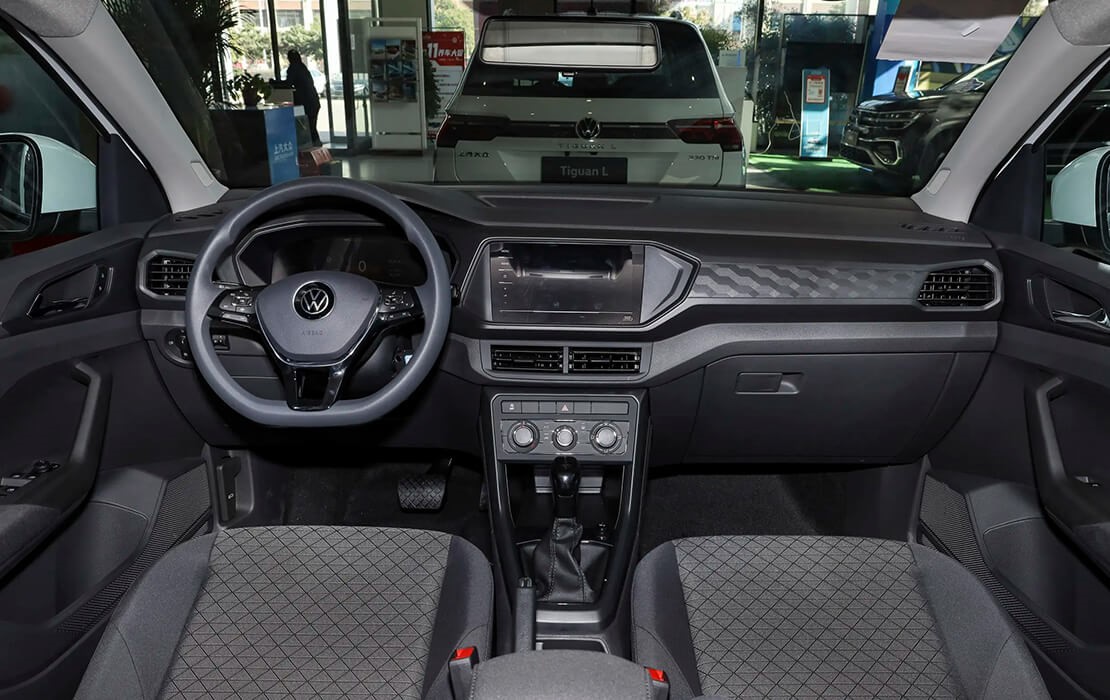
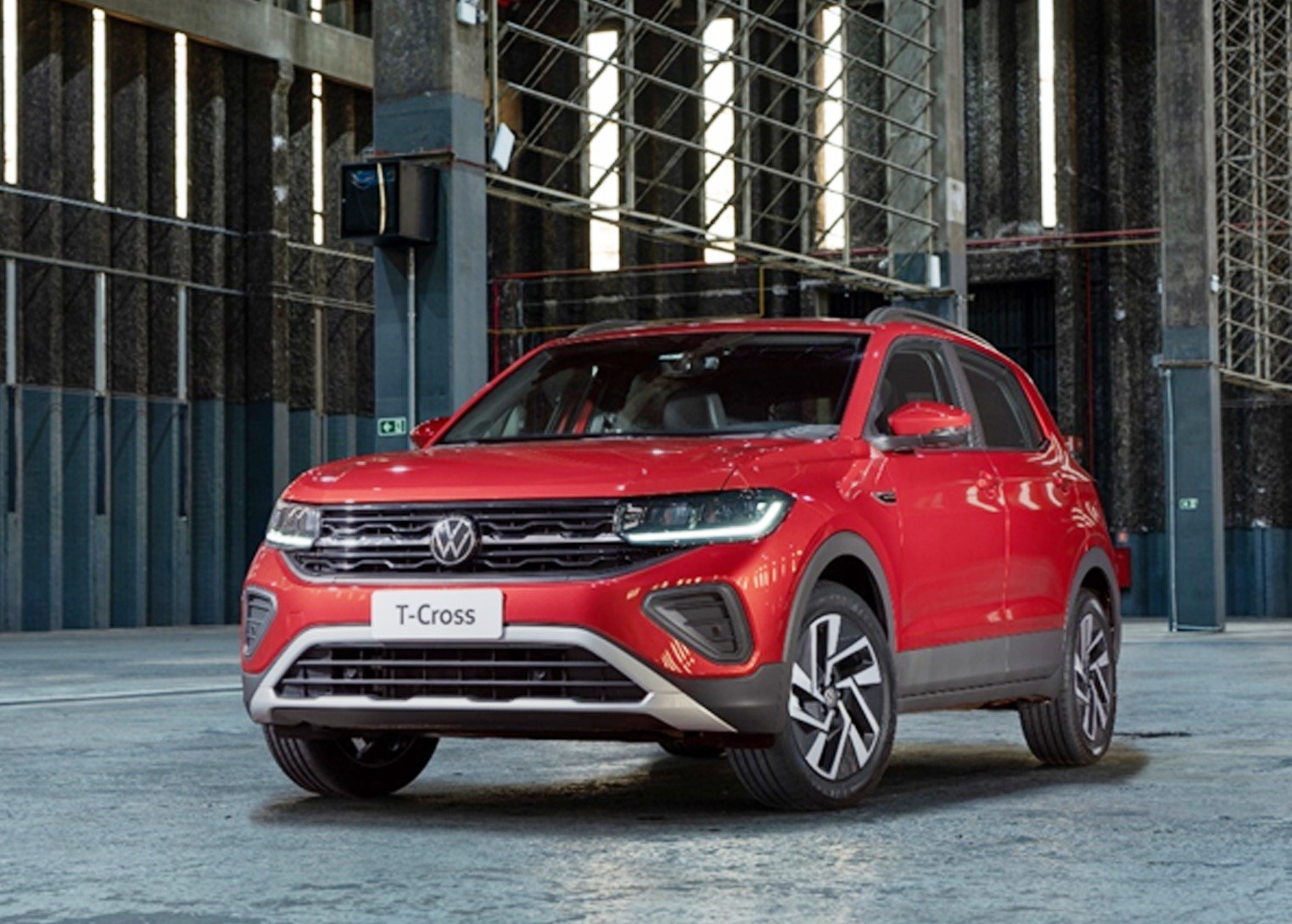
The commemoration event also served as the official launch of the new, facelifted T-Cross model, symbolizing Volkswagen’s continued investment in the Ghanaian market. This model boasts a refreshed design, enhanced technology features, and improved infotainment systems, aligning with global Volkswagen standards.
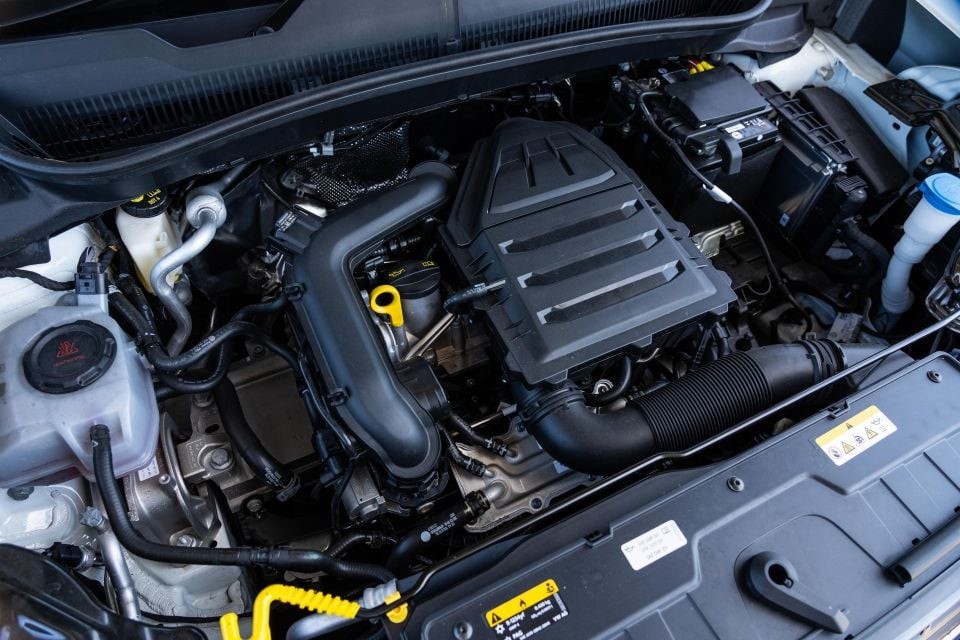
Building on the success of the previous T-Cross, the 2025 model promises to redefine the compact SUV segment for Ghanaian drivers looking for comfort, value, and efficiency. It is offered in two derivatives—Comfortline and Highline—both powered by a 1.6L MPI 81kW engine with a 6-speed automatic transmission.
Designed to build on the solid foundation of the outgoing T-Cross, the new model brings a more sophisticated look, elevated interior finishes, advanced technology, and improved safety features. The front-end features LED headlights with daytime running lights (DRL), while the rear now includes new LED taillights with an illuminated rear light strip, giving it a striking, contemporary finish. Additionally, there is a new exterior color—Pyrite Silver metallic—that adds to the rich color palette on offer.
The Volkswagen T-Cross comes standard with a three-year/120,000km warranty and a 12-year anti-corrosion warranty. The service interval is 10,000km or one year.
Volkswagen Ghana remains committed to its long-term investment in the country, with plans to continue expanding its model range and further deepening local content integration in its assembly processes.