
New Words and Buzzwords of the Year
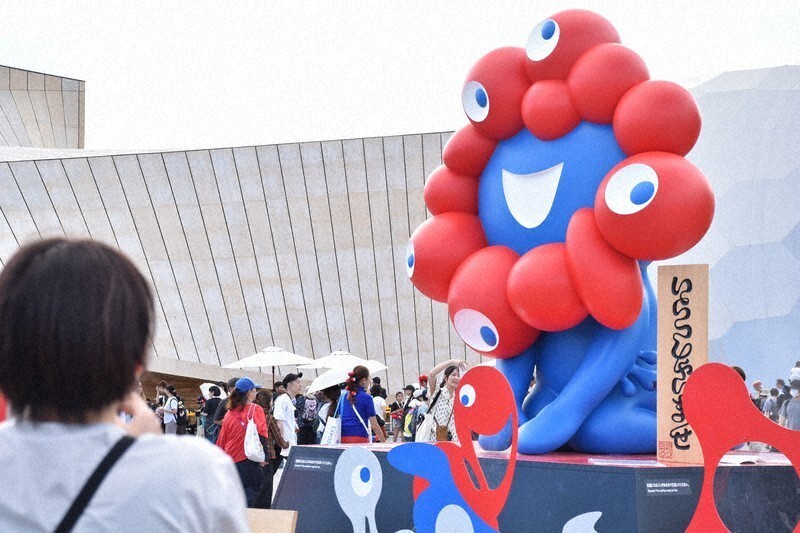
Tokyo — A collection of 30 words and phrases has been nominated for this year’s new word and buzzword grand prix. The announcement was made on November 5 by The Year Book of the Contemporary Society almanac. Among the nominees are “Myaku-Myaku,” the mascot of the Osaka Expo, “Trump tariffs,” and “kokokomai,” which translates to “old, old, old rice” and refers to rice from three years ago.
The top prize for the award, officially titled “The Year Book of the Contemporary Society selects — 2025 T&D Insurance Group new word and buzzword grand prix,” will be revealed on December 1. This event highlights the most significant linguistic trends that have captured public attention throughout the year.
The Rise of Myaku-Myaku
Myaku-Myaku, the uniquely designed mascot for Expo 2025 Osaka, Kansai, Japan, initially faced skepticism and was even called “creepy” by many. However, after the Expo opened in April, stuffed toys and other merchandise featuring the mascot became wildly popular. This transformation showcases how public perception can shift dramatically with time and exposure.
Economic Challenges Reflected in Language
In the economic sphere, several terms reflect the challenges faced by consumers. “Trump tariffs” and “old rice” were among the nominees. The latter refers to government rice stocks released to alleviate soaring rice prices. Additionally, “high prices” was also nominated, highlighting the struggles of consumers dealing with inflation.
Political Statements and Public Reaction
Political figures also contributed to the list of nominees. The phrase “I will work, work, work, work and work,” spoken by Sanae Takaichi, who became the first female prime minister in Japanese constitutional history, was included. In her speech upon being elected president of the ruling Liberal Democratic Party, Takaichi stated, “I myself will abandon the phrase work-life balance. I will work, work, work, work and work.” Her remarks sparked backlash from bereaved families of overwork victims, as they contradicted the government’s work-style reform efforts.
Another nominee, “Diploma 19.2 seconds,” comes from a controversial comment by former Ito, Shizuoka Prefecture, Mayor Maki Takubo. She lost her post in an academic fraud scandal. When asked how long she had shown her “diploma” to the speaker of the Ito Municipal Assembly and others, Takubo told the assembly’s investigative committee, “It’s not true that I showed it briefly; I understand it was about 19.2 seconds.”
Media and Cultural Trends
The term “Old media,” used to criticize established mass media such as newspapers and TV, also made the nominee list. This reflects a growing sentiment against traditional media outlets.
From social media, the phrase “Ehho ehho,” inspired by a viral photo of a running owl chick, and “Choco mint yori mo anata” (“I like you more than chocolate mint”) from the song “Ai Scream!” by the voice actress unit AiScReam, were also included. These phrases led to a surge of related videos on TikTok and other platforms, showcasing the influence of digital culture on language trends.
Cultural References and Popularity
Another nominee is “Nagasode o kudasai” (“Please give me long sleeves”), a phrase said by Atsuhiro Tsuda of the comedy duo Diane during a variety show. This phrase has gained popularity through its humorous context and cultural relevance.
These nominations highlight the dynamic nature of language and how it evolves in response to societal changes, political developments, and cultural shifts. As the final winner is announced, it will be interesting to see which term best captures the essence of the year’s most significant trends.