
Ongoing Disputes Hinder North Macedonia’s EU Accession
Historical, cultural, and linguistic disputes continue to block North Macedonia’s path to EU membership, with the key to progress seemingly held by its “brotherly” neighbor Bulgaria. Despite repeated agreements aimed at resolving these issues, the situation remains unresolved, raising questions about whose responsibility it is.
The core issue lies in North Macedonia’s refusal to implement the so-called “French proposal” from 2022, which requires the inclusion of the “Bulgarian community” in its constitution as a prerequisite for advancing its EU accession process. Although the government at the time supported this proposal, the country now refuses to act on it.
Prime Minister Hristijan Mickoski has criticized the previous government’s decision as a “political and strategic mistake,” claiming it jeopardizes North Macedonia’s European future. He argues that once the second round of local elections concludes, there may be a more favorable attitude from the other side.
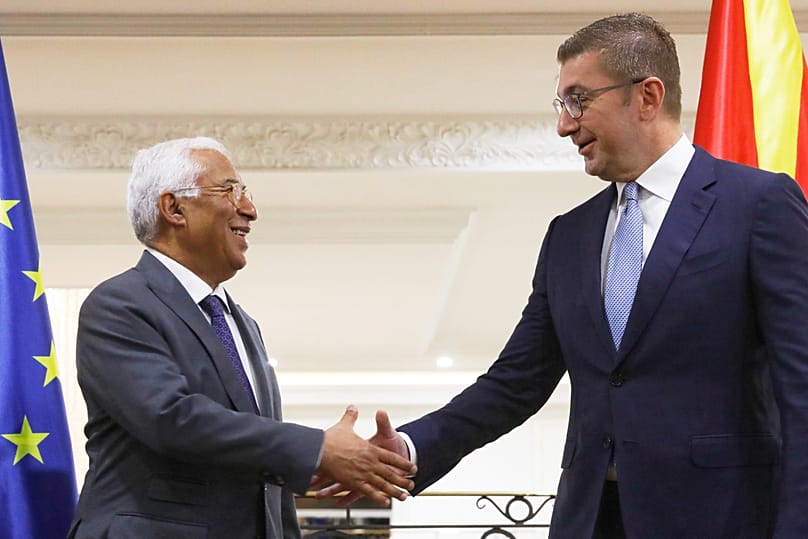
Mickoski recently urged the European Council to confirm that there is no issue with the separate Macedonian identity, language, and “centuries-old culture.” However, Bulgaria sees problems not only in the non-compliance with the constitutional changes but also in the language and historical narratives of both countries.
Bulgaria maintains that the Macedonian language is a dialect of Bulgarian, while North Macedonia insists it is distinct and unique. These disputes are rooted in a complex shared history, with Skopje challenging Sofia’s historical claims within its territory. The tensions often lead to heated exchanges that fall short of diplomatic standards.
Historical Attempts at Resolution
Efforts to resolve these disputes have occurred over the years. In 1999, the “Declaration of Good Neighbourliness” was signed between Bulgaria and (then) the Republic of Macedonia, driven by the conflict in Kosovo and regional security concerns. During this critical period, Bulgaria initially refused to accept refugees but eventually helped establish refugee camps for those fleeing the wars in the former Yugoslavia.
This assistance was appreciated by those involved in the talks, though the goodwill did not last. As the threat subsided, so did the cooperation between the two nations, leading to renewed political clashes.
In 2004, the then-Republic of Macedonia applied for EU membership and received candidate status, which has since stalled. Bulgaria joined the EU in 2007, complicating matters for Skopje further. Greece also held the key due to its own disputes with Skopje, particularly regarding the country’s name.
After more than a decade of negotiations, the name dispute was resolved in 2018 through the Prespa Agreement, where Skopje adopted the name North Macedonia, and Athens lifted its veto. However, Bulgaria remained an obstacle.
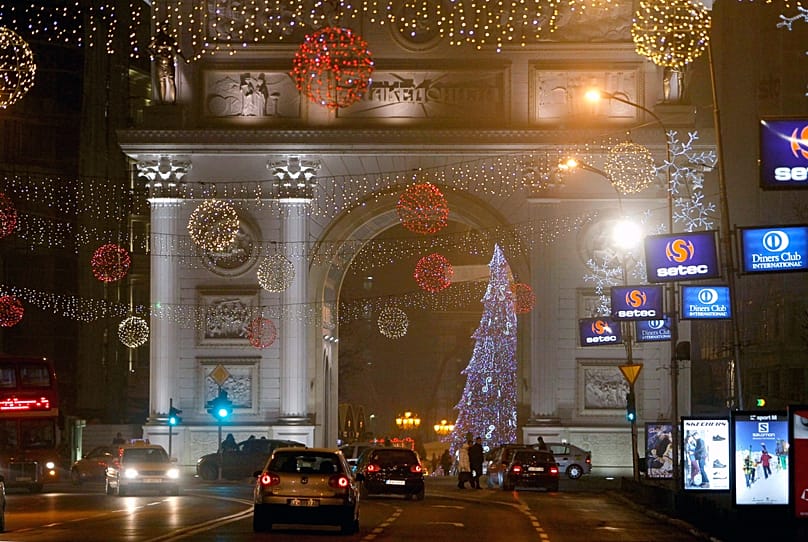
In 2017, the two countries signed a friendship treaty that acknowledged the Macedonian language in the constitution, but neither side backed down from their positions. A new attempt was made in 2021 with a cooperation agreement that included the creation of a joint historical commission. However, the outcomes of this effort remain unclear.
In 2022, France proposed lifting the EU accession veto if North Macedonia accepted constitutional changes requested by Bulgaria, officially recognizing the Bulgarian minority, guaranteeing its protection, and eliminating anti-Bulgarian rhetoric. The proposal was accepted, and negotiations began in 2023. However, the current government under Mickoski has questioned the legitimacy of these changes and announced they will not proceed without clear commitments from Bulgaria and specific guarantees from the EU.
Demands and Tensions
North Macedonia is now demanding that Bulgaria recognize the Macedonian minority in western Bulgaria. MEP Andrey Kovatchev commented that while Skopje is attempting to alter the negotiation framework, he does not expect this to be possible. He emphasized that North Macedonia must fulfill its obligations under the 2018 neighborhood agreement.
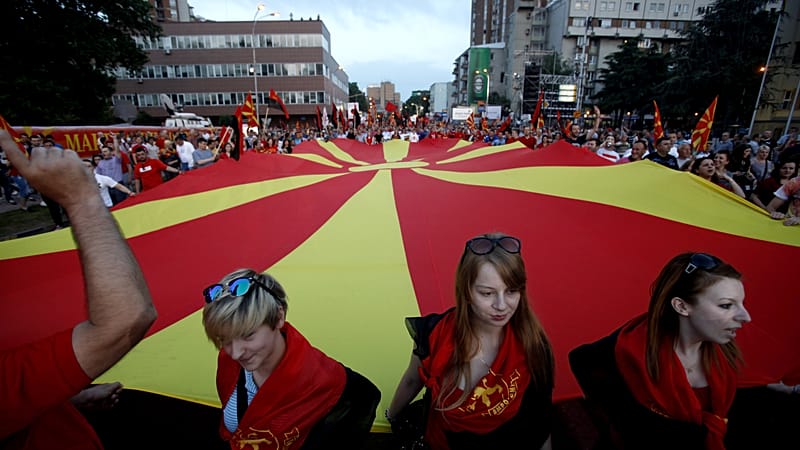
Tensions between the two countries exist at both the political and national levels. Recent years have seen attacks on cultural centers, including Bulgarian clubs in Skopje and a Macedonian club in Bulgaria. Protests led by supporters of the Macedonian VMRO-DPMNE party have further complicated the situation.
In 2023, a physical attack on the secretary of the Bulgarian Cultural Club in Ohrid endangered the fragile progress between the two countries. Whether these acts stem from long-standing resentment or political provocation remains uncertain.
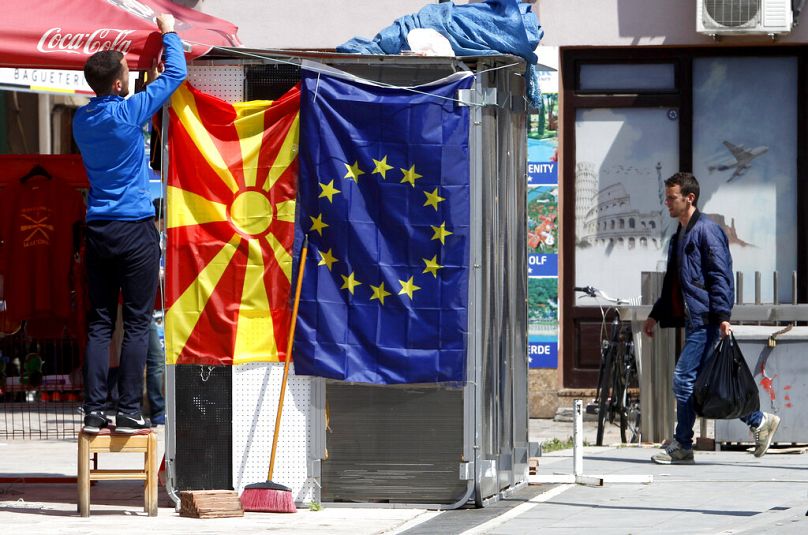
Despite these challenges, many people in both countries view each other as brothers. However, Macedonians may be growing disillusioned with their EU prospects due to the ongoing obstacles. Mickoski stated that while the country supports EU membership, it should not come at any cost. He highlighted the frustration of citizens with the prolonged political process.
Euronews will broadcast its flagship EU Enlargement Summit live on its television and digital platforms, including YouTube, at 2 pm CET on Tuesday.