
Market Volatility Amid International Tensions
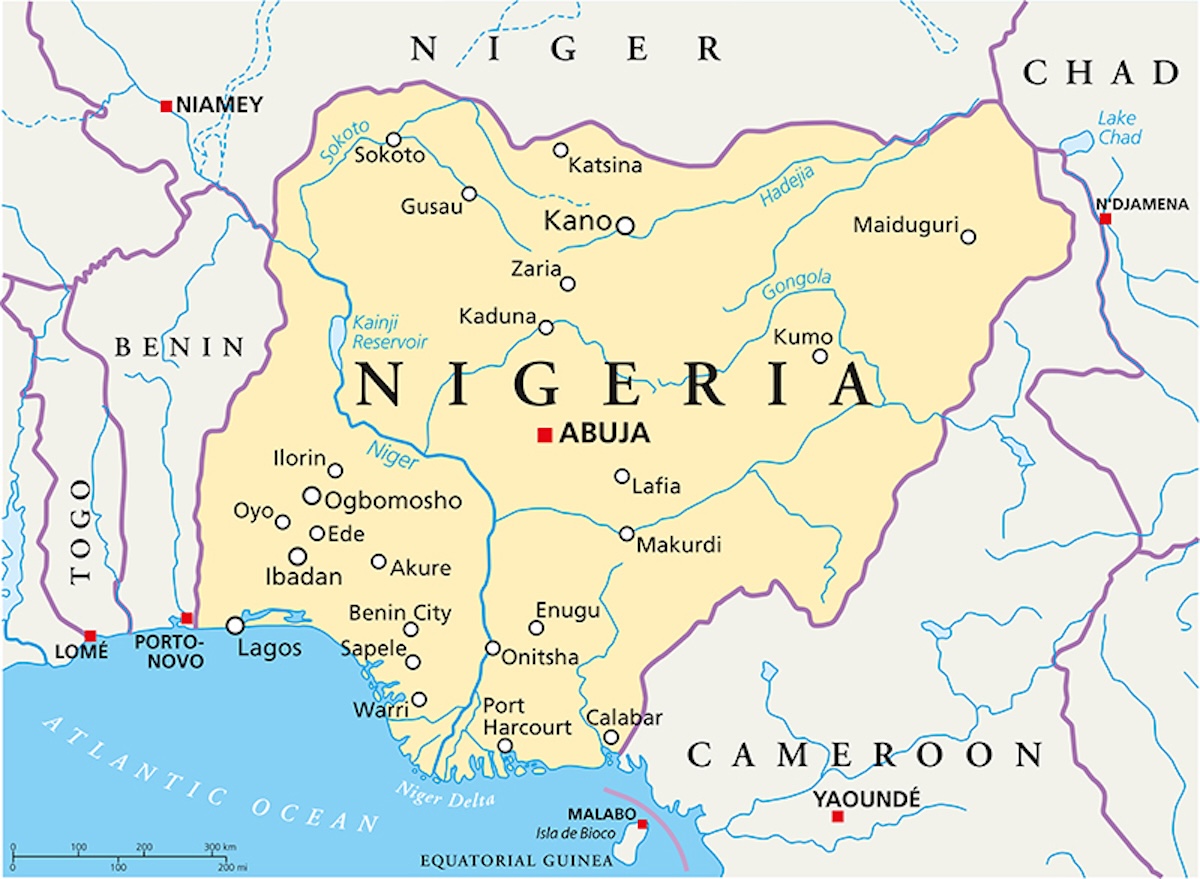
The Nigerian stock market experienced continued bearish sentiment on Tuesday, as investors reacted to the recent threat of military action by U.S. President Donald Trump against Nigeria over alleged genocide against Christians. This development has sent shockwaves through financial markets and affected investor confidence.
Equity Market Losses
On Monday, equity investors recorded a loss of approximately N244.9 billion at the close of trading on the floor of the Nigerian Exchange (NGX). The losses were attributed to the negative impact of Trump’s remarks, which created uncertainty in the market. The NGX saw further declines as selling pressures persisted into the second trading session of the week. Sectoral indices across the board showed negative trends, with banking stocks performing particularly poorly, which typically attracts bargain hunting but failed to do so this time.
The All-Share Index fell by 0.72% to close at 152,629.60 points, resulting in a contraction of the NGX market capitalization by N611.97 billion to N96.97 trillion. Stockbrokers noted that market sentiment remained distinctly bearish, with 40 losers significantly outpacing 17 gainers, yielding a subdued 0.4x breadth ratio. Trading activity was mixed, with volume increasing by 8.99% to 683.92 million shares, while transaction values dropped by 18.50% to N20.38 billion.
Eurobonds Stabilize
Nigeria’s Eurobonds, also known as dollar bonds, had fallen marginally across the maturity curve on Monday. However, they are showing signs of stabilization. According to reports, Nigeria plans to sell another $2.3 billion bond soon, which could test investor appetite for the debt. Despite the initial drop triggered by Trump’s remarks, analysts expect recovery as the situation evolves.
Naira Rebounds
Earlier on Monday, the Naira faced significant depreciation against the U.S. dollar at the official foreign exchange market. The Central Bank of Nigeria reported that the Naira weakened to N1,436.34 against the dollar from N1,421.73 on Friday. However, the currency appreciated after an intraday depreciation, settling at N1,434 to a dollar.
Expert Analysis on U.S. Threat
Experts have highlighted the potential impact of the U.S. threat on Nigeria’s economic stability. Muhammed Muttaka Usman, a Professor of Economics, emphasized that the threat could affect multiple channels such as trade finance, energy exports, defense procurement, and humanitarian programs. He warned that a suspension of Nigeria’s eligibility under the African Growth and Opportunity Act (AGOA) could cripple the country’s drive towards expanding non-oil exports.
Dr. Muda Yusuf, Director/Chief Executive Officer of the Centre for the Promotion of Private Enterprise (CPPE), pointed out that the threat carries far-reaching implications for the Nigerian economy and investor confidence. He stressed that the mere mention of military action by a global superpower has already generated economic, diplomatic, and perceptional consequences for Nigeria.
Economic Implications
Yusuf identified several risks associated with the threat, including falling stock market valuations, rising country risk premiums, higher sovereign bond yields, and naira depreciation due to capital outflows. He projected that Nigeria may experience rising interest rates, weakened currency, and higher inflationary pressures. Additionally, reduced foreign reserves and lower external buffers could put pressure on fiscal balances from increased defense spending and lower investment inflows.
Mitigation Strategies
To mitigate these risks, Yusuf recommended a strategic and proactive diplomatic response. Key policy measures should include high-level diplomatic engagement, immediate bilateral discussions with the U.S. government, and collaborative security partnerships. He emphasized that any external engagement should be cooperative rather than coercive, highlighting the need for diplomacy, partnership, and shared commitment to peace, development, and mutual respect for sovereignty.