
The Debate Over Plastic Packaging in Retail
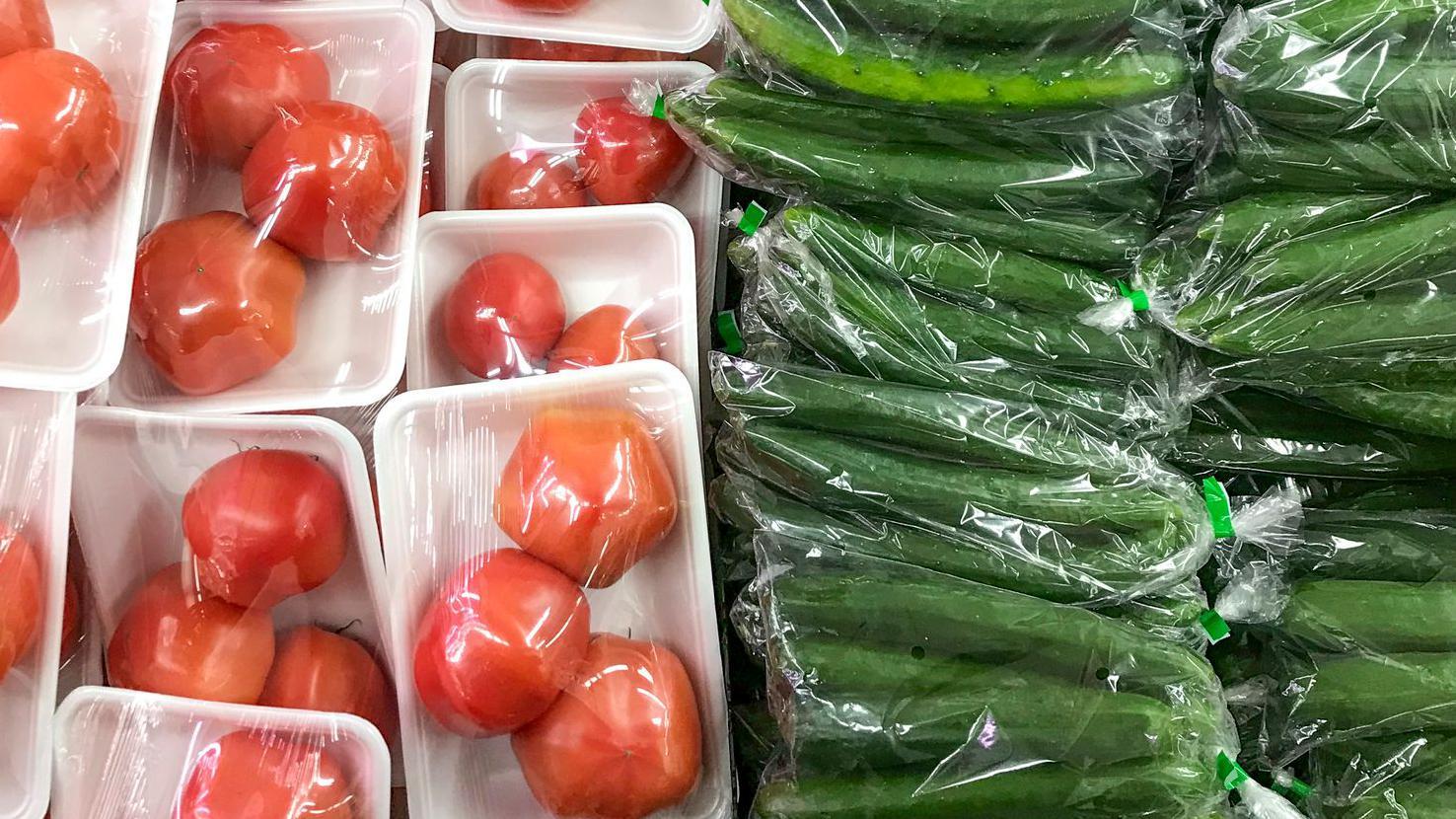
A recent discussion has sparked a debate about the role of plastic packaging in retail, particularly concerning the sale of fruits and vegetables. A Welsh minister has raised concerns that banning retailers from selling produce wrapped in plastic could lead to increased food waste. This warning came in response to a proposal suggesting that shops should offer fruits and vegetables without plastic wrapping when purchases are less than 1.5kg, aiming to reduce plastic waste.
The idea was put forward by an independent member of the Welsh Parliament, Rhys ab Owen, who argued that plastic packaging is often unnecessary and wasteful. He emphasized that many traditional sellers, such as greengrocers and market stalls, have long operated on the principle of allowing customers to buy only what they need from unwrapped crates. This method, he noted, has been used for centuries and aligns with how previous generations shopped.
Ab Owen suggested that implementing a policy based on this principle would allow Welsh ministers to adjust the list of items subject to the rule as needed. He believed that this flexibility would help address practical challenges and adapt to real-world outcomes.
However, Deputy First Minister Huw Irranca-Davies expressed concerns about the potential unintended consequences of such a policy. He pointed out that environmental charity Wrap had raised questions about whether a 1.5kg rule might encourage consumers to buy larger quantities of produce than necessary. This could result in more food being wasted, increasing household costs during a time when many families are already struggling with the cost of living.
Irranca-Davies also highlighted the possibility that retailers might increase unit prices to offset lower sales of loose produce. This could disproportionately affect individuals with lower incomes, whose grocery expenses make up a significant portion of their budgets.
Another consideration mentioned by Irranca-Davies was public perceptions of hygiene in handling unpackaged fruits and vegetables. While he personally finds it acceptable to purchase loose produce in paper bags, he acknowledged that broader public attitudes, especially in modern retail settings, need careful evaluation.
Ab Owen, however, remained firm in his stance, urging for bolder governance in Wales. He argued that decision-making should not be delayed indefinitely, emphasizing the need for action even if all outcomes are not fully known.
Related Environmental Initiatives in Wales
In addition to the ongoing debate over plastic packaging, several other environmental initiatives are being implemented in Wales. A recent study has found that plastic has accumulated on the surface of the oceans over the past century, highlighting the urgent need for sustainable solutions.
As part of these efforts, plastic wet wipes are set to be banned in Wales starting in 2026. This move aims to reduce the amount of non-biodegradable waste entering the environment. Additionally, a bottle return scheme is planned to begin in 2027, although it will not include refunds for glass bottles. These measures reflect a growing commitment to reducing waste and promoting eco-friendly practices across the country.