
Honoring Fallen Heroes: Sri Lanka Marks Remembrance Day 2025
Sri Lanka observed Remembrance Day 2025 with a solemn ceremony held at the Navy Headquarters. The event took place on Tuesday, November 4, and was marked by a significant gesture of respect and gratitude. Major General (Retd) Mahinda Mudalige, President of the Sri Lanka Armed Forces Veterans’ Association Poppy Committee, pinned a poppy flower on Vice Admiral Kanchana Banagoda, the Navy Commander. This act symbolized the nation’s commitment to honoring the service and sacrifice of its military personnel who have given their lives in the line of duty.
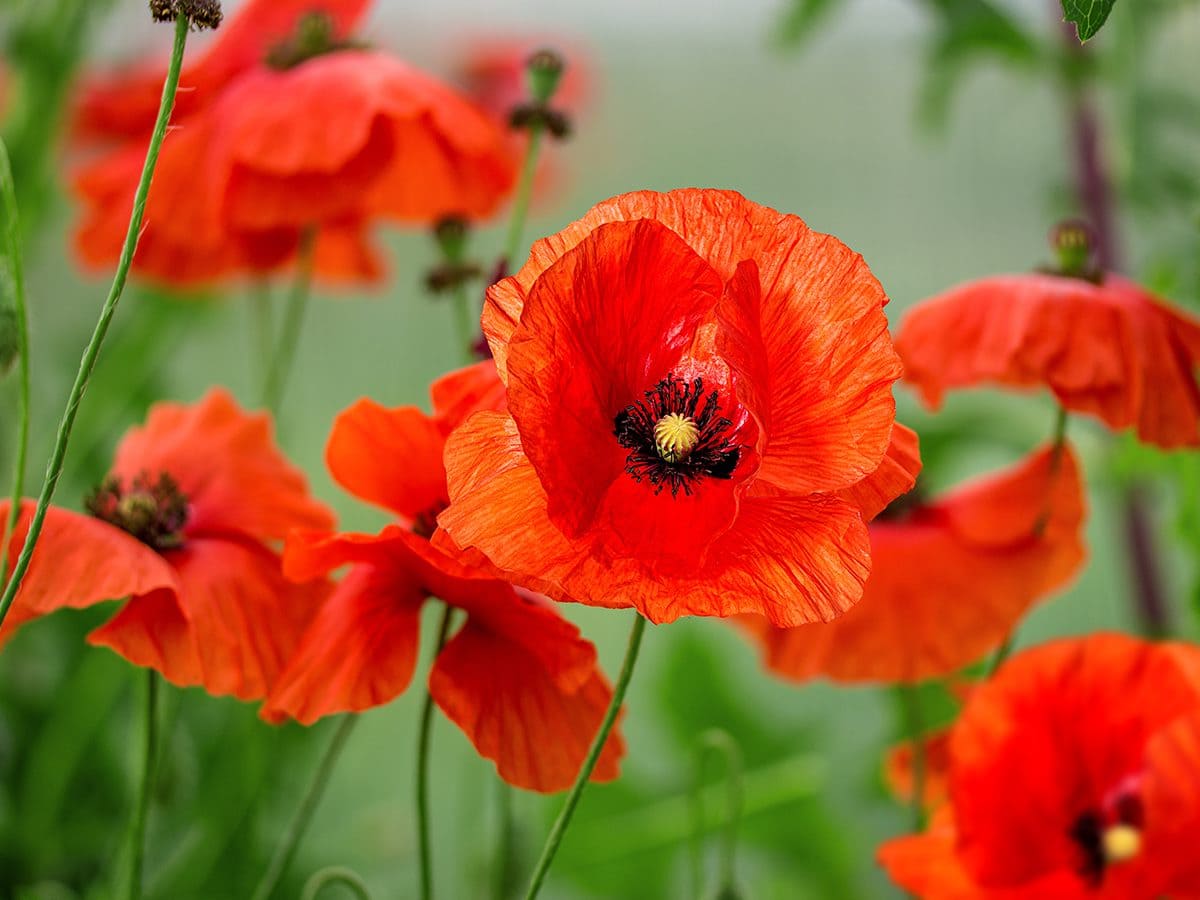
The poppy flower has long been a powerful emblem of remembrance, particularly for those who lost their lives during times of war. Its tradition dates back to the aftermath of World War I, where it became a symbol of mourning and respect for fallen soldiers. Over time, the campaign expanded to include veterans of World War II and other conflicts, ensuring that the sacrifices made by military personnel are never forgotten.
A Tradition Rooted in History
The introduction of the poppy flower campaign in Sri Lanka was inspired by the global tradition of commemorating war veterans. It serves as a reminder of the bravery and dedication displayed by those who served in various conflicts throughout history. The act of wearing or displaying a poppy is not just a formality; it represents a deep-seated respect for the lives lost and the peace that was ultimately achieved through their efforts.
In Sri Lanka, the significance of Remembrance Day extends beyond mere ceremonial gestures. It is an opportunity for the nation to reflect on the cost of conflict and the importance of maintaining peace. The military, which plays a crucial role in safeguarding the country, is honored through these annual events, reinforcing the bond between the armed forces and the civilian population.
The Role of the Poppy Committee
The Sri Lanka Armed Forces Veterans’ Association Poppy Committee has been instrumental in organizing and promoting the Remembrance Day ceremonies. Led by figures such as Major General (Retd) Mahinda Mudalige, the committee ensures that the traditions of remembrance are upheld and passed on to future generations. Their efforts include not only the distribution of poppies but also educational initiatives aimed at raising awareness about the historical context and significance of the day.
The committee’s work is vital in keeping the memory of fallen soldiers alive. Through various programs and events, they help foster a sense of national pride and unity. The poppy, as a central element of these activities, becomes a tangible representation of the nation’s collective gratitude and respect.
Commemorative Events and Public Participation
Remembrance Day in Sri Lanka is not limited to military ceremonies. It is a day when the entire country comes together to honor the past. Public events, including parades, memorial services, and cultural performances, are organized to engage citizens in the spirit of remembrance. These activities provide an opportunity for people to express their appreciation for the sacrifices made by military personnel.
Schools and community organizations often participate in these events, ensuring that the younger generation understands the importance of peace and the value of those who have fought for it. The poppy, worn by many, becomes a visible sign of this shared commitment.
Conclusion
As Sri Lanka continues to observe Remembrance Day 2025, the symbolic act of pinning a poppy on the Navy Commander serves as a poignant reminder of the enduring legacy of those who have served. The tradition, rooted in history, remains a powerful means of honoring the past while inspiring future generations to cherish peace and unity. Through the efforts of dedicated individuals and organizations, the memory of fallen heroes is preserved, ensuring that their sacrifices are never forgotten.