
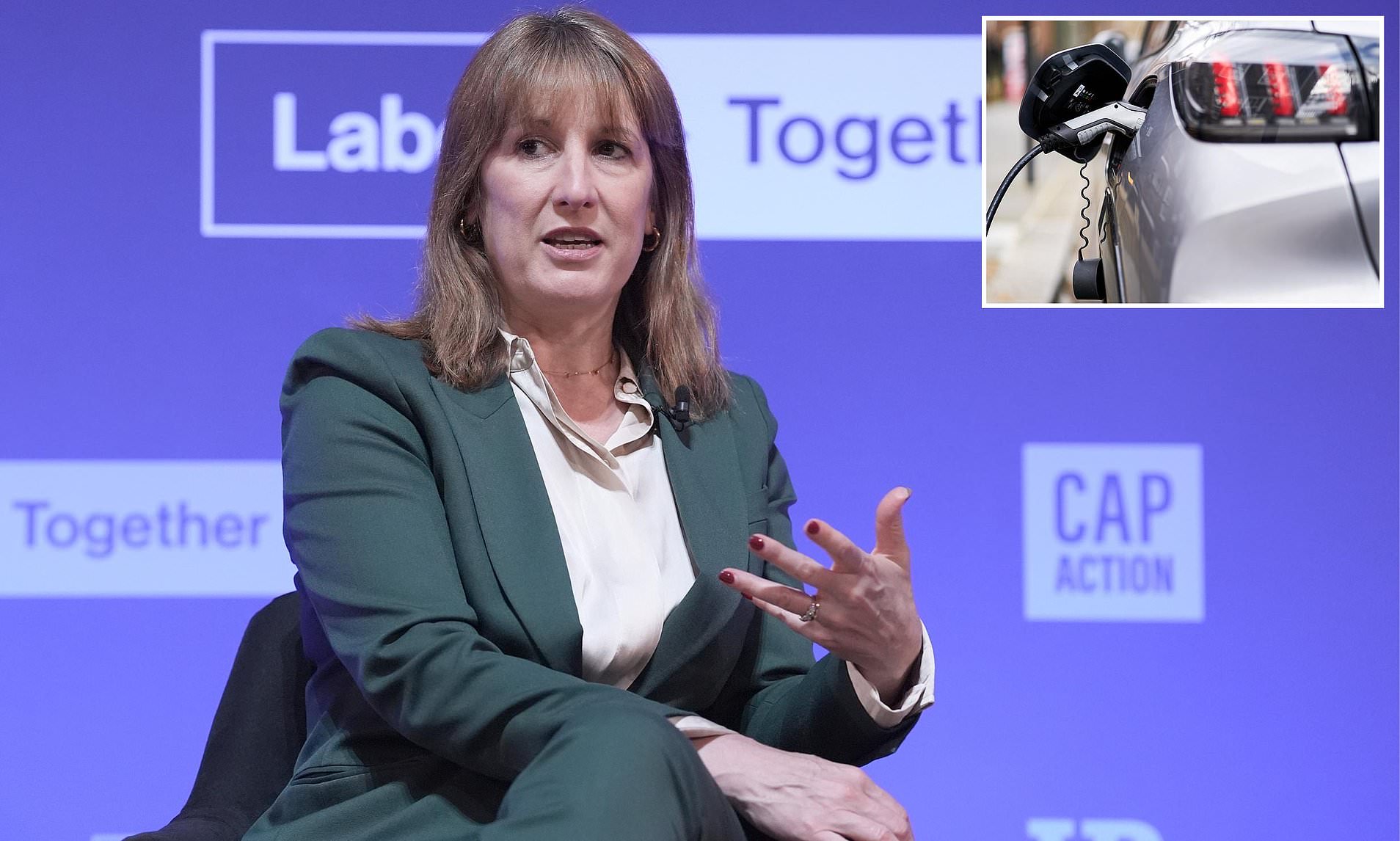
The Controversial Proposal for Road Pricing on Electric Vehicles
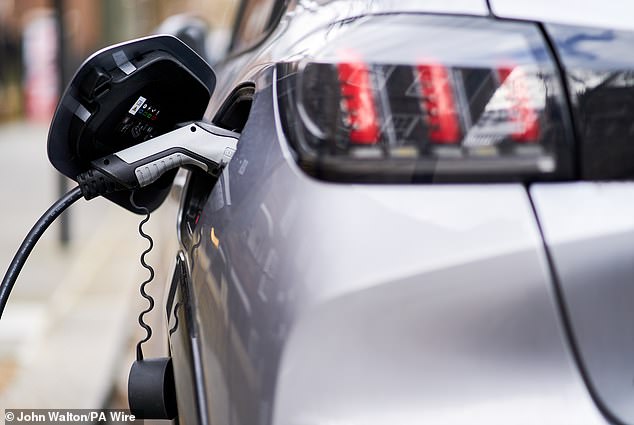
Rachel Reeves, the UK Chancellor, is considering introducing a new form of taxation that could significantly impact electric vehicle (EV) drivers. This move comes as the government faces a growing fiscal deficit and seeks alternative ways to generate revenue. The proposed plan includes a 3p per mile levy on EVs, in addition to existing road taxes, which could result in annual charges ranging from £250 to £300 by 2028 based on average usage.
Hybrid vehicles would also be subject to a lower charge under this scheme. The Treasury argues that the new tax is necessary due to the declining revenue from fuel duties as more drivers switch to greener alternatives. However, this proposal has sparked controversy, with critics suggesting it may undermine the transition to electric vehicles.
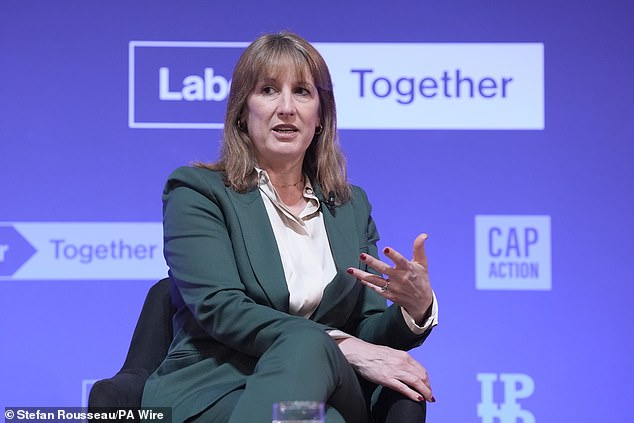
The idea of a pay-per-mile road taxation system has been discussed for years, but it has often been considered politically sensitive. During a recent hearing at the Treasury Select Committee, Tory MP Harriett Baldwin asked Ms. Reeves if she was planning to move beyond fuel duty and introduce road pricing. In response, Ms. Reeves stated, “We are not looking at road pricing.” This statement has now been called into question as the potential introduction of the new tax emerges.
Motoring groups have expressed concerns about the potential impact of this tax, with some comparing it to a “poll tax on wheels.” This reference to the controversial poll tax introduced by Margaret Thatcher’s government in the late 1980s highlights the political sensitivity of the issue. The original poll tax, which imposed a fixed payment on all adults, led to widespread protests and is remembered as a deeply unpopular policy.
The Fairness Argument and Potential Impact
Ms. Reeves may argue that the new tax is fairer, as petrol drivers already pay an average of £600 per year in fuel duty. The proposed tax is expected to generate approximately £1.8 billion by 2031, helping to address the fiscal challenges posed by the shift towards electric vehicles. Additionally, the government claims that the new system will support the transition to EVs while ensuring roads and infrastructure are adequately funded.
However, the details of the proposal remain unclear. The Daily Telegraph suggests that the scheme might require users to estimate their annual mileage and make an additional payment on top of the vehicle excise duty (VED). If drivers exceed their estimated mileage, they would need to top up the amount, while any unused funds could carry over to the next year.
Journey examples of the 3p per mile fee include £12 between London and Edinburgh, £5 between Cambridge and Bristol, and £2 between Liverpool and Leeds. These figures illustrate the potential financial burden on drivers, particularly those who rely on public charging stations.
Mixed Messaging and Concerns from Industry Experts
Ginny Buckley, CEO of EV advice site Electrifying.com, criticized the government’s approach, calling it a case of “mixed messaging.” She pointed out that drivers are encouraged to switch to electric vehicles, only to face the threat of new taxes. This inconsistency, she argued, could hinder the EV transition and discourage potential buyers.
Additionally, the exemption for EVs from VED was removed in April, further complicating the situation for drivers. A government spokesman emphasized the need for a fairer system for all drivers while supporting the transition to electric vehicles. They highlighted investments of £4 billion in support measures, including grants to reduce upfront costs by up to £3,750 per eligible vehicle.
Conclusion
As the debate over road pricing continues, the implications for EV drivers remain uncertain. While the government aims to address fiscal challenges, the potential impact on the EV market and consumer confidence cannot be overlooked. The success of this initiative will depend on how effectively the government balances its financial goals with the need to encourage sustainable transportation.