
UN Envoy Highlights Positive Momentum in Western Sahara Discussions
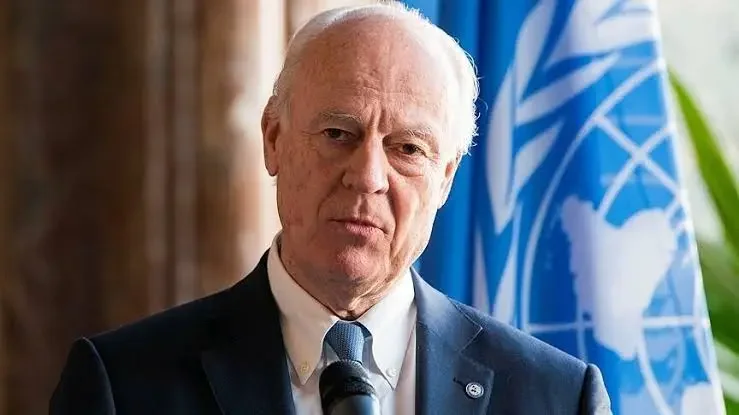
Staffan de Mistura, the United Nations Secretary-General’s Personal Envoy for Western Sahara, recently participated in a press briefing with the Deputy Spokesperson for the UN Secretary-General. The meeting, held via videoconference, focused on the recent adoption of Security Council Resolution 2797 on October 31, which addresses the ongoing situation in the Western Sahara region.
De Mistura expressed his optimism about the current atmosphere surrounding the issue, stating, «The atmosphere is good, the momentum is moving in the right direction.» He added, «The real work begins now. Let’s talk about it in a month.»
Key Elements of the Resolution
The resolution clearly identifies the main stakeholders involved in the Western Sahara dispute: Morocco, the Polisario Front, Algeria, and Mauritania. It references the principle of self-determination while explicitly acknowledging Moroccan sovereignty. The document also emphasizes the need for a mutually agreed solution and highlights the concept of «authentic autonomy, not just autonomy, but true autonomy.»
De Mistura noted that the resolution sets the stage for further discussions and actions. He stated that the next step involves Morocco presenting a developed and updated autonomy plan. Additionally, other parties are encouraged to submit proposals and suggestions to help the UN create a program for direct or, if necessary, indirect discussions.
Calls for Inclusive Dialogue
The UN envoy emphasized the importance of inclusive dialogue, urging all parties to engage constructively in the process. He mentioned that the goal is to revive negotiations that could lead to a lasting solution for the region. De Mistura also expressed hope that the Polisario Front would agree to participate in these efforts.
Future Outlook and Mandate
As the personal envoy for Western Sahara, De Mistura has been instrumental in facilitating discussions between the involved parties. His mandate is set to end in November 2026, which adds urgency to the ongoing efforts to find a sustainable resolution.
The adoption of Resolution 2797 marks a significant step forward in addressing the long-standing conflict in the Western Sahara. While the resolution provides a framework for future actions, the real challenge lies in implementing its provisions and ensuring that all stakeholders remain committed to the process.
Next Steps and Challenges
Looking ahead, several key steps need to be taken to move the process forward:
- Morocco must develop and present an updated autonomy plan that reflects the principles outlined in the resolution.
- Other parties, including the Polisario Front and Algeria, should provide their input and proposals to support the UN’s efforts.
- The UN will need to coordinate and organize discussions that facilitate direct or indirect talks between the involved parties.
- All stakeholders must remain engaged and committed to the negotiation process to ensure progress.
The success of these efforts will depend on the willingness of all parties to work together and find a solution that respects the rights and aspirations of the people of Western Sahara.
Conclusion
The recent developments in the Western Sahara issue have brought renewed hope for a peaceful and lasting resolution. With the adoption of Resolution 2797 and the continued efforts of the UN envoy, there is a clear path forward. However, the road ahead remains challenging, requiring cooperation, commitment, and a shared vision for the future of the region.