
South African Citizens Stranded in Donbas Region Amid Russia-Ukraine Conflict
The South African government has confirmed that it has received distress calls from 17 citizens who joined mercenary forces in the ongoing Russia-Ukraine conflict and are now stranded in the Donbas region of eastern Ukraine. These individuals, aged between 20 and 39, were reportedly lured into joining the forces under the promise of lucrative contracts. According to government spokesperson Vincent Magwenya, 16 of the men are from KwaZulu-Natal, while one is from the Eastern Cape.
President Cyril Ramaphosa has ordered an investigation into “the circumstances that led to the recruitment of these young men into these seemingly mercenary activities,” as stated by Magwenya in a public statement. The president and the South African government have strongly condemned the exploitation of young, vulnerable people by individuals working with foreign military entities.
Legal Implications and Government Response
Working as a mercenary or fighting on behalf of a foreign government without state authorization is illegal under South African law. The government has emphasized its commitment to securing the safe return of the stranded men through diplomatic channels. This situation highlights the growing concern over the involvement of South Africans in foreign conflicts, particularly in regions like Ukraine and parts of Africa.
Analysts suggest that the high unemployment rate in South Africa, which exceeds 30%, leaves many young people vulnerable to recruitment by foreign actors. This economic challenge creates an environment where individuals may be tempted by the prospect of financial gain, even if it means engaging in illegal or dangerous activities.
Expanding Influence of Russian-Linked Entities
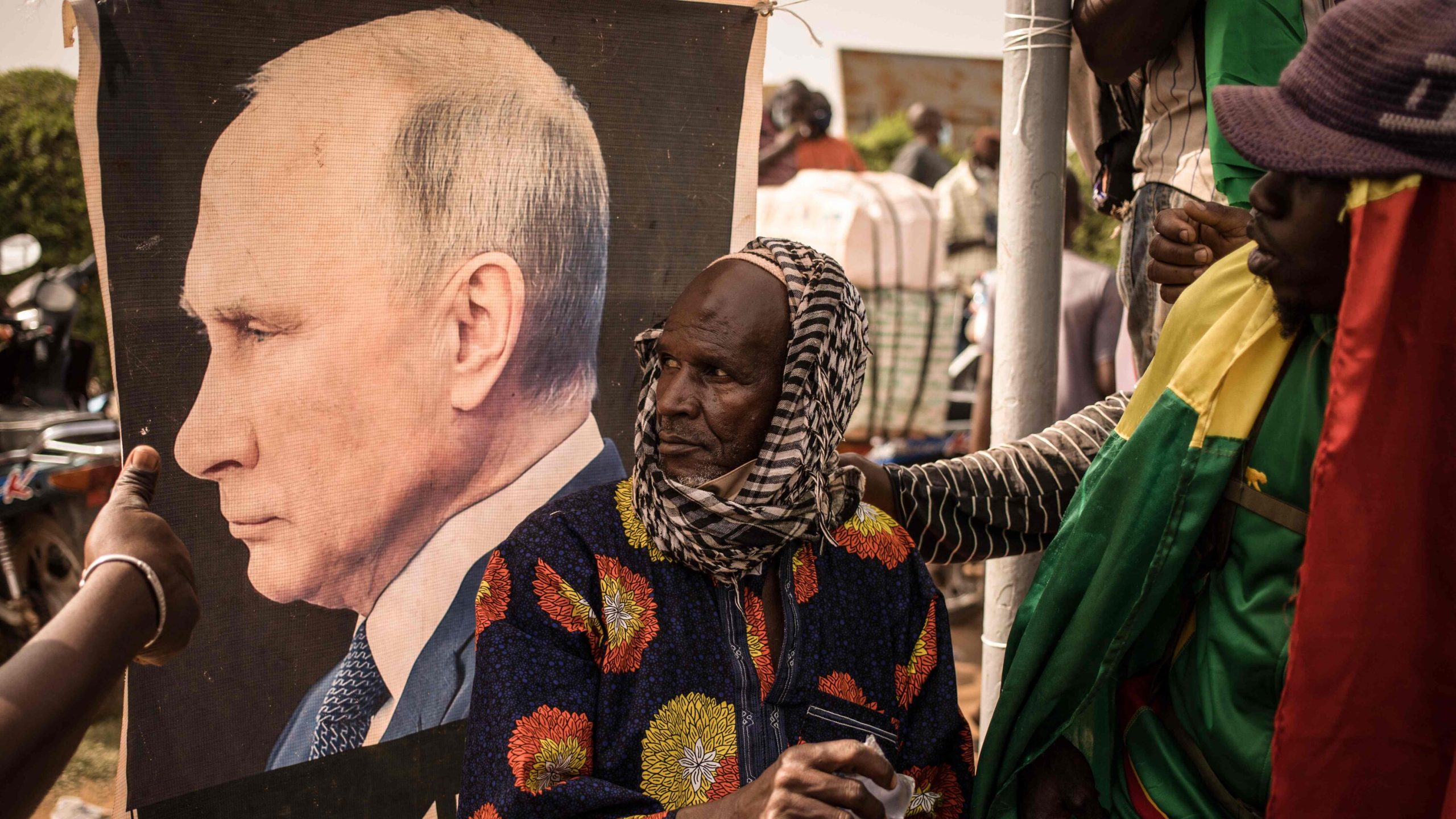
Recent investigations, including one by the BBC, have uncovered evidence of Russian-linked entities expanding their influence in Africa. The Africa Corps, a mercenary group reportedly controlled by Russia’s Ministry of Defence, has replaced the Wagner Group across parts of West Africa. This development raises concerns about the increasing presence of foreign military interests in the continent and the potential risks they pose to local populations.
In August, the South African government issued warnings to young women about fake job offers abroad, particularly in Russia. Reports indicated that African women had been trafficked to work in drone factories in the Tatarstan region. This issue underscores the broader problem of human trafficking and the exploitation of vulnerable individuals by foreign entities.
Similar Cases Across Africa
Similar cases have been reported in other parts of Africa. For instance, Kenyan police recently rescued over 20 people from a trafficking network that allegedly lured individuals to fight in Ukraine. These incidents highlight a pattern of exploitation that extends beyond South Africa and reflects the complex challenges posed by foreign military and economic interests in the region.
Broader Implications for South Africa
The situation involving South African citizens in Ukraine serves as a reminder of the need for increased vigilance and stronger measures to protect young people from being drawn into foreign conflicts. It also emphasizes the importance of international cooperation in addressing the root causes of such issues, including poverty, unemployment, and lack of opportunities.
As the South African government continues to investigate and take action, it is crucial to address the underlying factors that make young people susceptible to recruitment by foreign actors. This includes improving economic conditions, enhancing awareness campaigns, and strengthening legal frameworks to prevent such situations from arising in the future.