
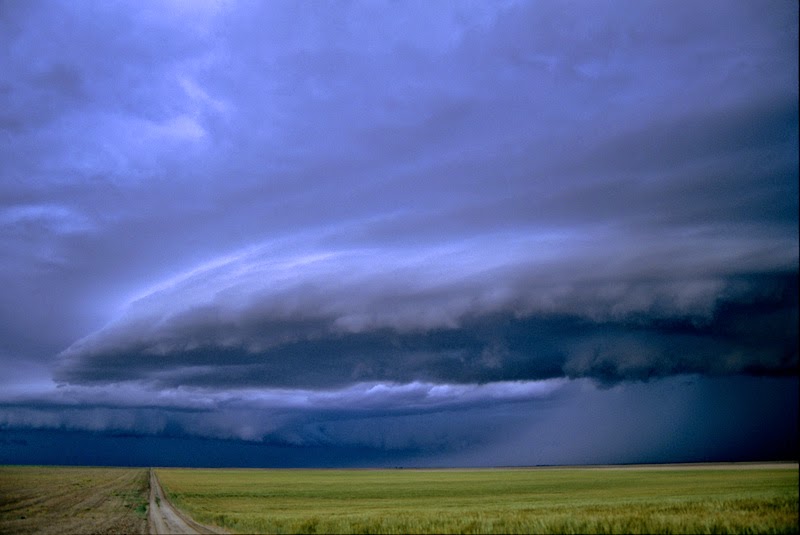
Typhoon Kalmaegi’s Path and Impact
Typhoon Kalmaegi is currently moving over the South China Sea and is expected to reach central Vietnam by Friday. After that, it will weaken and eventually arrive in northeastern Thailand later on the same day, according to the Meteorological Department.
Sugunyanee Yavinchan, director-general of the department, stated that the typhoon was located in the South China Sea, approximately 510 kilometers southeast of the coastal city of Quy Nhon in central Vietnam, at 4 a.m. on Thursday.
The typhoon has already caused significant destruction, with official figures indicating that it has killed at least 140 people and left another 127 missing after unleashing devastating flooding across the central Philippines. The impact of the storm highlights the urgent need for preparedness and response efforts in affected regions.
Ms. Sugunyanee noted that the typhoon has wind speeds of about 150 kilometers per hour near its epicenter. However, it is expected to weaken into a tropical storm and then a depression as it passes over Laos. This weakening process could reduce the intensity of the storm as it moves further inland.
According to the forecast, the storm will reach Ubon Ratchathani in Thailand on Friday before transforming into a low-pressure system. This transition may lead to changes in weather patterns across the region, affecting both land and sea conditions.
Due to the influence of the storm, there will be increased rainfall and isolated heavy to very heavy rain in several regions from Friday to Sunday. These areas include the Northeast, the East, the Central Plains (including Greater Bangkok), and the North. Flash floods, runoff, and overflowing waterways are possible in these regions during the same period, posing risks to communities and infrastructure.
To mitigate potential dangers, Ms. Sugunyanee advised small boats to remain ashore instead of venturing out into the Andaman Sea on Thursday and Friday due to rough seas. This precaution is essential for ensuring the safety of those who rely on maritime activities.
Key Weather Impacts
- Increased Rainfall:Areas such as the Northeast, East, Central Plains, and North will experience more rain, leading to potential flooding.
- Heavy Rain Events:Isolated heavy to very heavy rain is expected, which can cause flash floods and waterway overflows.
- Risk of Flooding:Communities in the affected regions should be prepared for possible flooding and take necessary precautions.
- Marine Conditions:Rough seas in the Andaman Sea will pose challenges for small boats, emphasizing the need for caution.
Safety Recommendations
- Stay Informed:Residents in the affected areas should monitor weather updates and follow local advisories.
- Avoid Risky Activities:Refrain from engaging in water-related activities during the storm’s peak impact.
- Prepare for Emergencies:Ensure that emergency kits are ready and evacuation plans are in place for vulnerable populations.
As Typhoon Kalmaegi continues its path, the focus remains on minimizing its impact through effective communication, preparedness, and coordinated response efforts. The situation underscores the importance of vigilance and community resilience in the face of natural disasters.