
Journalists Disappeared in North Darfur Amid Ongoing Conflict
On November 5, 2025, reports emerged that the Sudanese Journalists Syndicate (SJS) has lost contact with at least seven journalists following the takeover of El Fasher, the capital of North Darfur, by the Rapid Support Forces (RSF). This development highlights the escalating dangers faced by media professionals in conflict zones and raises concerns about the safety of those working in the region.
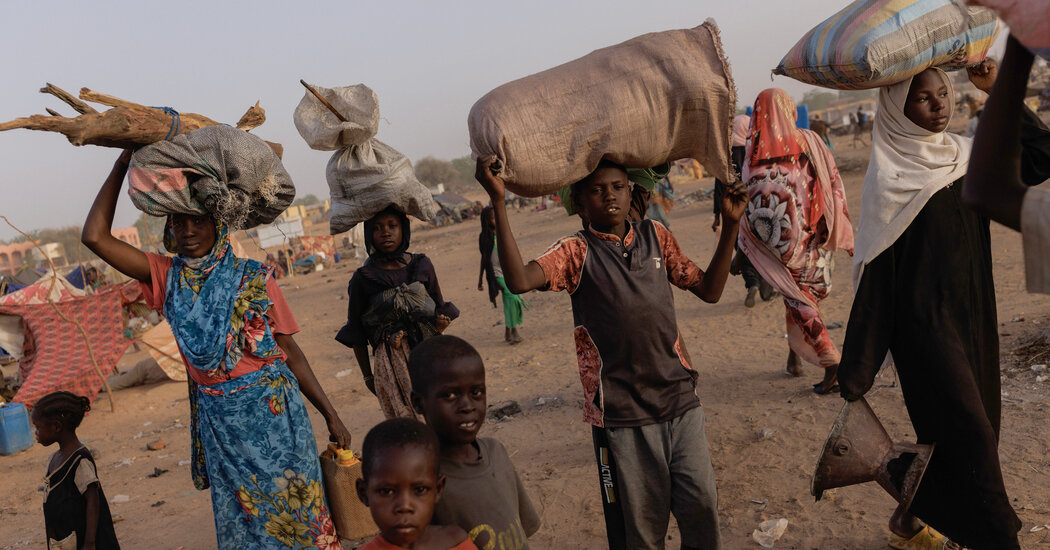
The RSF took control of El Fasher on October 26 after a year-long conflict involving the army and its allies. Shortly after securing the city, the RSF was accused of committing widespread violations against civilians, including forced displacement of thousands to the town of Tawila and other regions. The situation has created a dire environment for both residents and journalists covering the events.
Loss of Contact with Journalists
A preliminary report from the SJS detailed the loss of communication with approximately seven journalists, including two women, whose whereabouts remain unknown. The report noted that around 20 journalists were present in El Fasher and the Abu Shouk camp for displaced persons before the recent clashes. Of these, twelve managed to escape and reached Tawila safely. However, five journalists are still reported to be in detention or have gone missing due to the actions of the RSF.
Among those detained is journalist Moamar Ibrahim, who works as a contributing correspondent for Al Jazeera Mubasher. He was arrested as he attempted to leave the city. The RSF later announced his “deportation” to Nyala for investigation, citing charges of defamation and impartiality in his coverage of events in El Fasher.
Conditions Facing Surviving Journalists
Testimonies from surviving journalists reveal the severe conditions they endured during the conflict. Many suffered from extreme exhaustion, hunger, thirst, and lack of sleep. The health of several individuals has deteriorated due to the absence of medical care in the areas they reached, particularly in the Tawila locality.
The SJS has called for urgent measures to ensure the safety of journalists and the immediate release of those detained. It emphasized that targeting journalists is a clear violation of press freedom and human rights. The syndicate also highlighted the challenges posed by the complete cutoff of communications and internet networks in El Fasher, as well as the confiscation of phones and communication tools by the RSF. These actions make it difficult to obtain accurate information about the humanitarian situation, including the number of dead, injured, and detainees.
Impact on Journalism and Information Flow
The situation in North Darfur underscores the critical role of journalists in documenting conflicts and providing essential information to the public. However, the ongoing violence and restrictions on communication have severely hindered their ability to report effectively. The loss of contact with journalists not only affects the flow of information but also raises concerns about the safety and well-being of those involved.
As the conflict continues, the international community and local organizations must work together to support journalists and protect their right to report without fear of retaliation. The SJS’s efforts to raise awareness and advocate for the release of detained journalists are crucial in ensuring that the voices of those affected by the conflict are heard.
Challenges in Humanitarian Response
In addition to the risks faced by journalists, the humanitarian situation in the region remains dire. The displacement of thousands of people has led to increased demand for aid, yet access to essential services such as food, water, and medical care remains limited. The SJS has called for greater support for humanitarian efforts to address the growing needs of the affected population.
The ongoing conflict in North Darfur highlights the need for sustained attention and action from both local and international actors. As the situation evolves, it is essential to prioritize the protection of journalists and the delivery of humanitarian assistance to those in need.