
A New Landmark on the Via Transilvanica Trail
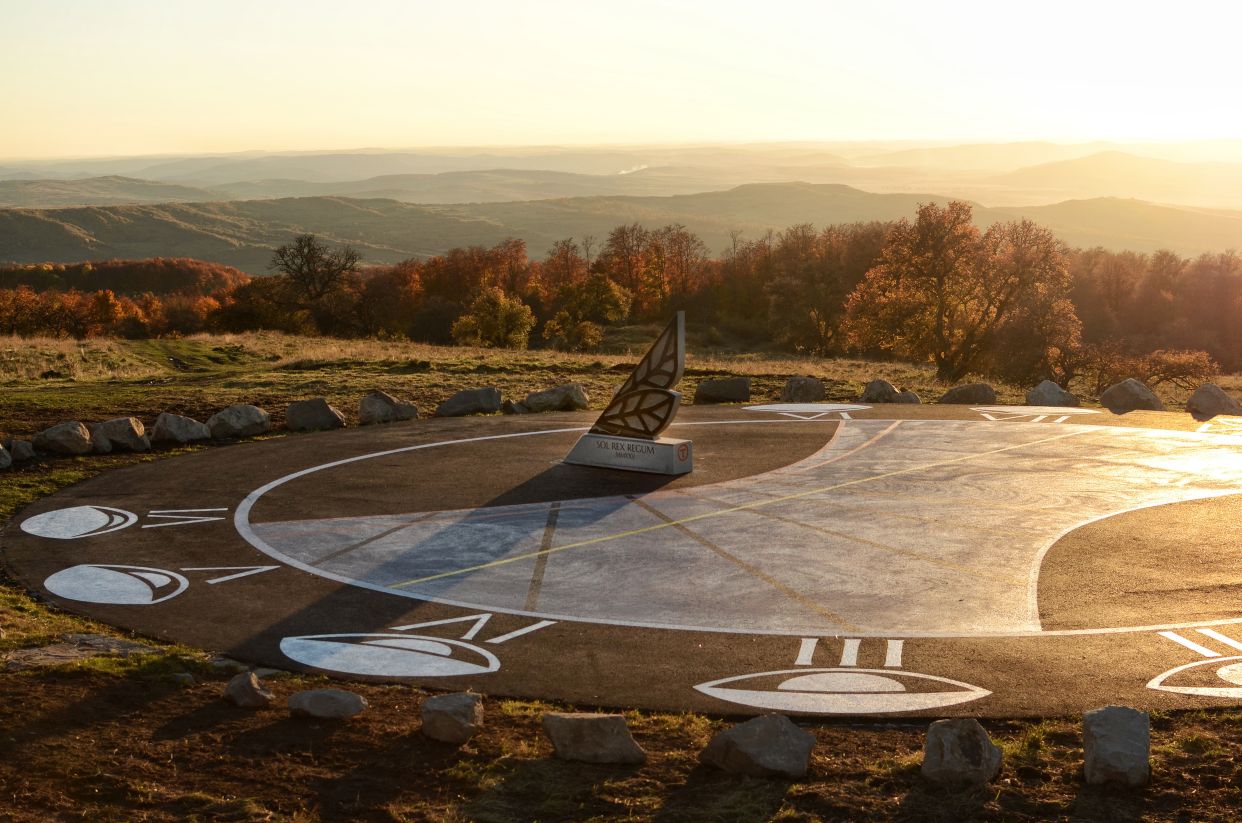
A new artistic and cultural landmark has been introduced along the Via Transilvanica trail, a long-distance hiking route that stretches across Romania. The trail, which connects Putna in northern Romania to Drobeta Turnu Severin in the south, now features a unique sundial located in Dealu Negru, within Bistrița-Năsăud county.
The sundial, known asSol Rex Regnum(Sun, the King of Kings), is a striking addition to the landscape. It boasts a 20-meter-diameter dial and was installed on a former heliport. This installation was inspired by the vision of Damaschin Berende, the route manager and long-time volunteer of the Tășuleasa Social Association, the non-profit organization responsible for developing the Via Transilvanica trail.
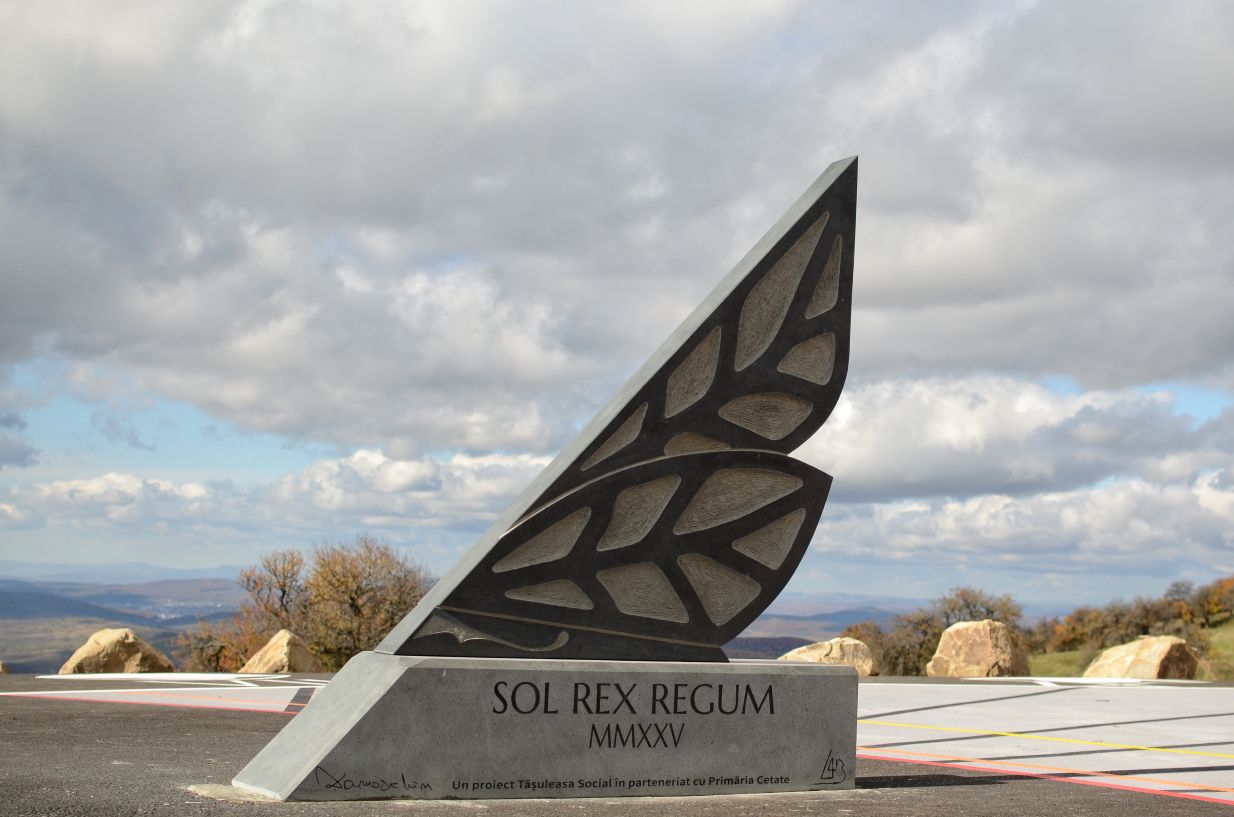
The design of the sundial includes a gnomon shaped like a butterfly, crafted from andesite—a stone also used for the milestones along the Via Transilvanica trail. The artist behind this creation is Alexandru Burlacu, who has brought a unique blend of artistry and symbolism to the project.
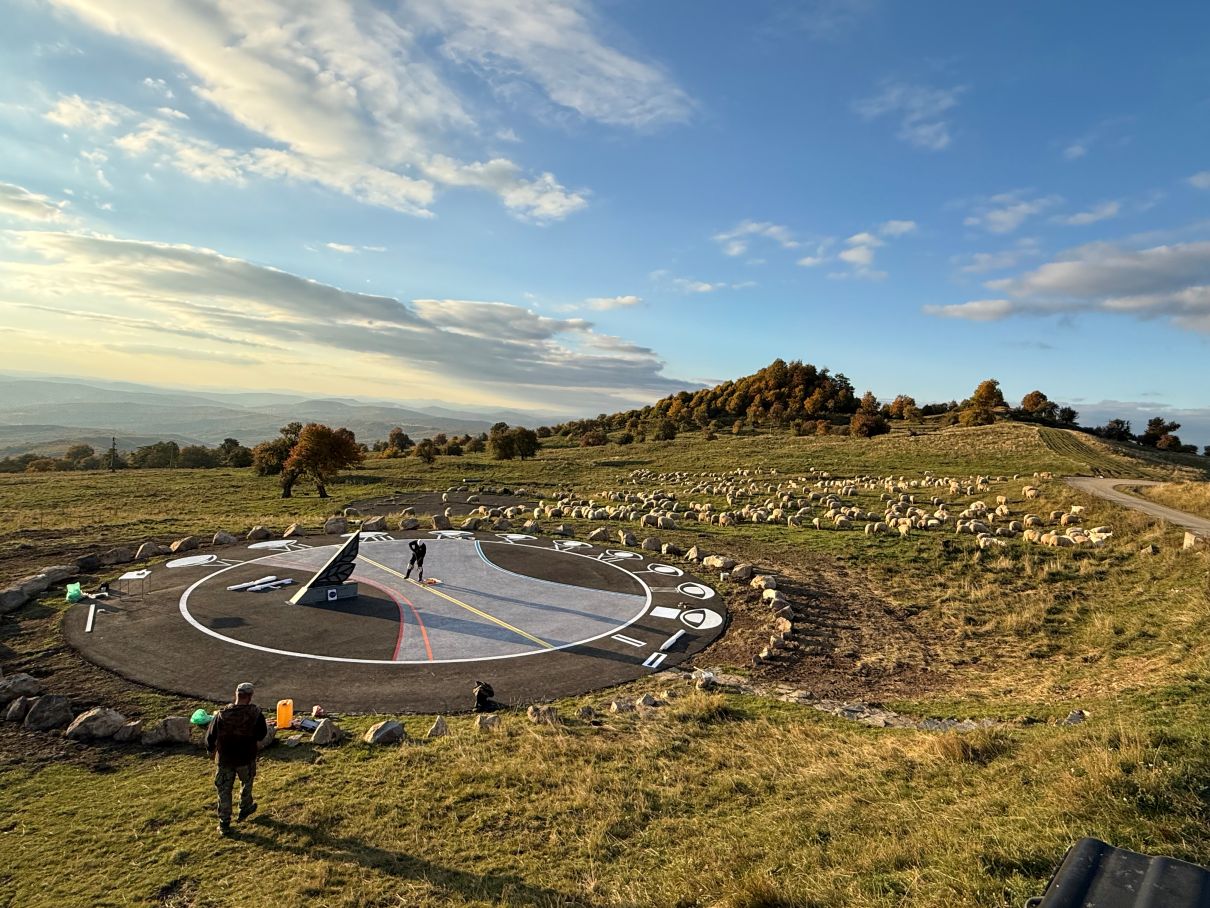
The non-profit organization emphasized its goal of enriching travelers’ experiences through meaningful interactions with the environment. “We want travelers to discover and interact at every step with elements that enrich their perspectives and make the journey along Via Transilvanica truly memorable.Sol Rex Regnumis part of our effort to make art, culture, and history accessible within a social circuit,” the organization stated.
Expanding the Trail: A Journey Through History and Culture
Via Transilvanica is an extensive trail that spans 1,599 km. Its latest extension, the Terra Borza Teutonica, was inaugurated earlier this year in Braşov county. The trail officially opened in 2022 after four years of dedicated work involving local communities and over 10,000 volunteers.
This remarkable route passes through ten counties, including Suceava, Bistrița-Năsăud, Mureș, Harghita, Sibiu, Brașov, Alba, Hunedoara, Caraș-Severin, and Mehedinți. Along the way, it showcases 12 UNESCO World Heritage Sites, offering hikers a glimpse into the rich cultural and historical tapestry of Romania.
The trail is divided into several cultural-historical regions, each with its own distinct identity and significance:
- Bucovina
- The Highlands (Ținutul de Sus)
- Terra Siculorum
- Terra Saxonum
- Terra Dacica
- Terra Banatica
- Terra Romana
- Terra Borza Teutonica
Each region contributes to the diverse experience of the trail, allowing travelers to explore different landscapes, traditions, and historical narratives.
A Unique Experience for Travelers
The introduction ofSol Rex Regnumadds another layer of cultural and artistic value to the Via Transilvanica trail. As hikers traverse this vast network of paths, they are not only walking through natural beauty but also engaging with symbols of history, art, and community.
This initiative reflects the broader mission of the Tășuleasa Social Association to create a space where nature, culture, and human connection come together. By integrating such artistic installations into the trail, the association aims to foster a deeper appreciation for the heritage and landscapes of Romania.
As the trail continues to expand and evolve, it remains a testament to the power of collaboration, creativity, and the enduring spirit of exploration. Whether you’re a seasoned hiker or a curious traveler, the Via Transilvanica offers an unforgettable journey through one of Europe’s most captivating regions.