Protests Against Potential Withdrawal from the Istanbul Convention in Latvia
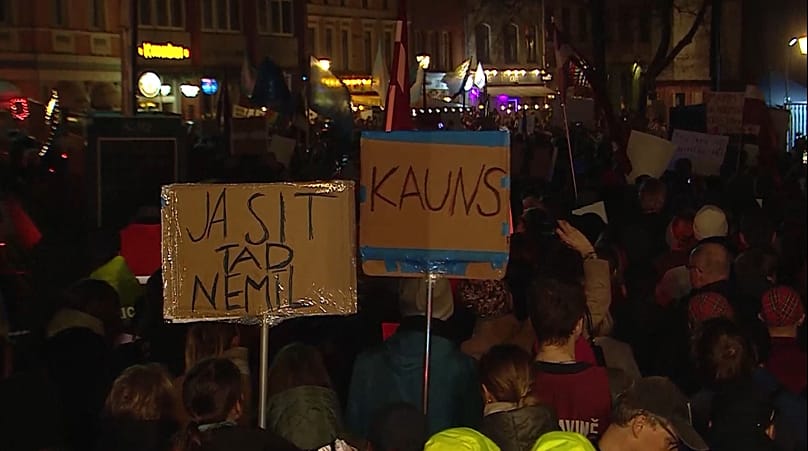
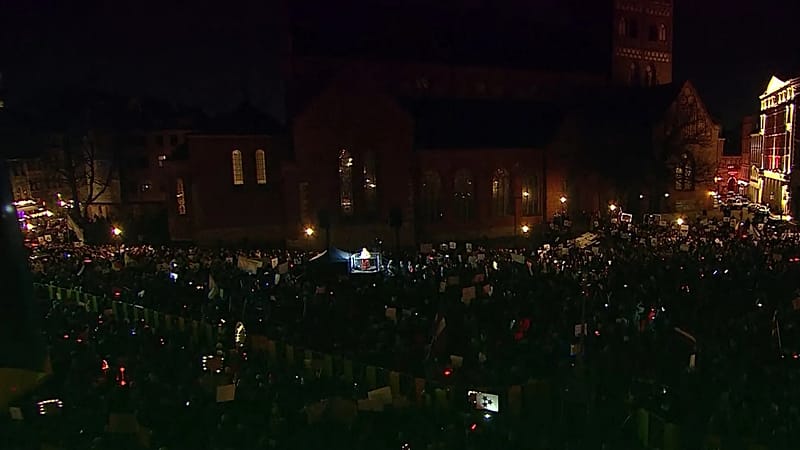
Thousands of demonstrators gathered in the Latvian capital, Riga, on Thursday night to express their opposition to the country’s potential withdrawal from the Istanbul Convention. This international treaty, signed by 45 countries and the European Union as of 2019, aims to standardize support for women who are victims of violence, including domestic abuse. The protest, titled “Let’s Protect Mother Latvia,” was organized by the local NGO Marta Centre and drew at least 10,000 participants, according to police estimates.
Organizers of the rally emphasized the importance of upholding human rights and preventing political decisions from undermining fundamental values. In a statement, they wrote: “It is time to give a clear signal to both current Saeima (parliament) deputies and those who will come after them — we will not allow political games at the expense of human rights.”
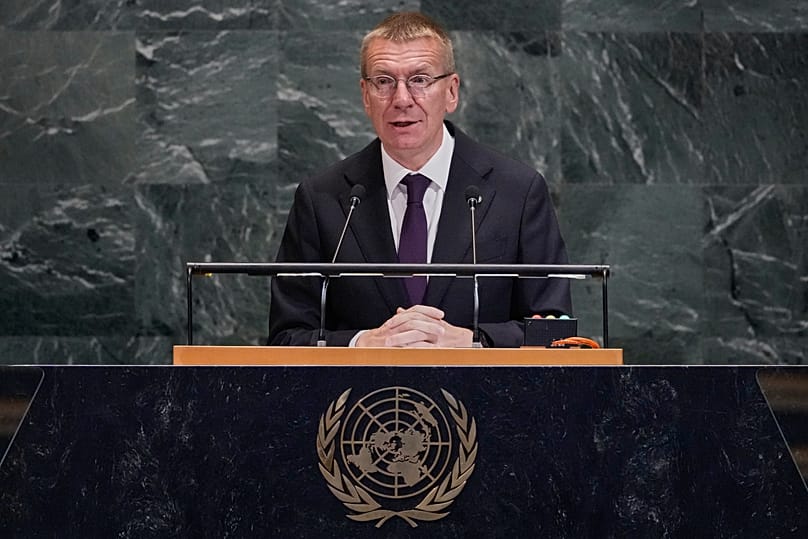
The demonstration comes in the wake of President Edgars Rinkēvičs sending the law on the withdrawal back to parliament for further review. According to public broadcaster LSM, this decision followed the Saeima’s vote on 31 October to withdraw from the human rights treaty that addresses violence against women and domestic violence.
Key Details of the Parliamentary Vote
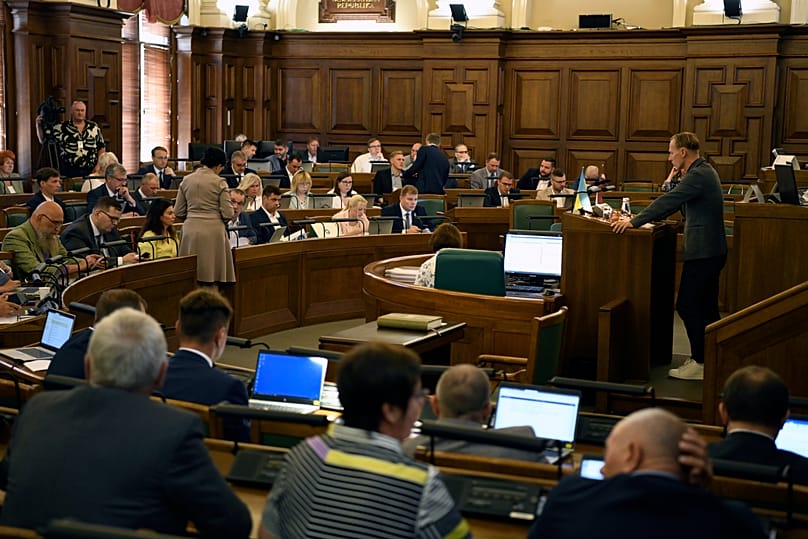
During the vote, 32 lawmakers supported staying in the treaty, while 56 voted to leave, citing concerns that the treaty promotes “radical feminism based on the ideology of gender.” Two members of parliament abstained from voting. President Rinkēvičs criticized the decision, stating that it would send a “contradictory message” to both Latvian society and its international allies about the country’s commitment to fulfilling its obligations under international agreements.
He also pointed out that Latvia would be the first European Union member state to withdraw from an international human rights treaty, raising questions about whether such an action aligns with the principle of loyal cooperation outlined in the Treaty on European Union. Rinkēvičs suggested that the next parliament should decide the issue, given that general elections are scheduled no later than 3 October next year.
Political and Social Implications
Ultra-conservative groups and political parties across Europe have long criticized the Istanbul Convention, arguing that it promotes “gender ideology,” encourages sexual experimentation, and harms children. In Latvia, opposition MPs initiated the process of possibly withdrawing from the treaty in September. The Union of Greens and Farmers, a member of the ruling coalition led by Prime Minister Evika Siliņa’s centre-right Unity party, joined them in this effort.
Siliņa, whose coalition government came to power in 2023 with a promise to ratify the convention, has strongly opposed the withdrawal efforts. She criticized the political use of the issue, writing on social platform X in October: “Those who have been brave enough to seek help are now witnessing their experiences being used for political battles. It is cruel.”
International Reactions and Legal Context
On the day of the vote, the European Commission stated that Latvia would still be obligated to respect international rules for the protection of women, even if it withdrew from the treaty. Civil society organizations viewed the move as a step backward in terms of fundamental rights.
The Istanbul Convention is a treaty designed to prevent and combat violence against women. It has been signed by all EU member states and several other nations outside the EU, such as the United Kingdom and Norway. In 2023, the EU as a whole acceded to the convention, making it a legally binding agreement for the 27 member states in areas falling under the EU’s competence. These include EU institutions, public administration, judicial cooperation in fighting crime, and asylum rights.
However, some EU countries, including Bulgaria, Hungary, Slovakia, the Czech Republic, and Lithuania, have not ratified the convention, highlighting ongoing debates about its implementation across the region.