
The Climate Paradox: Uganda’s Contradictory Stance at COP30
As global leaders gather for the 30th Conference of the Parties (COP30) in Brazil, the world is once again focused on the urgent need to address climate change. However, the situation in Uganda highlights a growing contradiction in the country’s approach to climate action. While Uganda and other African nations are expected to advocate for fairness and increased support from developed countries, their own policies seem to undermine the very goals they seek to achieve.
A Call for Fairness, But at What Cost?
At COP30, it is likely that Uganda and other African countries will emphasize the importance of climate justice and demand greater financial and technical support from developed nations. This is a valid and necessary call, as many developing countries face the brunt of climate impacts despite contributing minimally to global emissions. However, this demand must be matched by concrete actions at home.
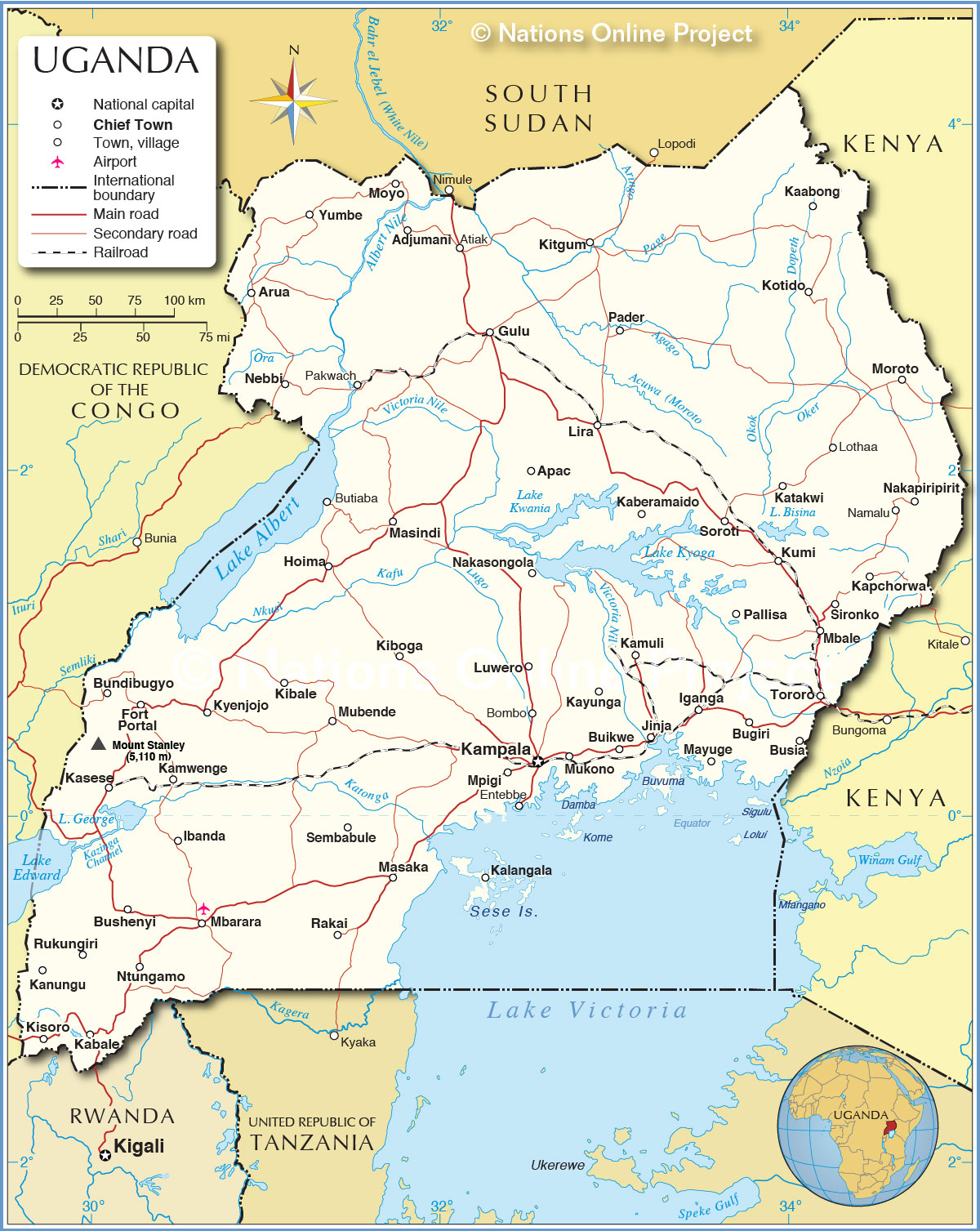
The Intergovernmental Panel on Climate Change (IPCC) has clearly stated that fossil fuels are responsible for over 75% of global greenhouse gas emissions driving the climate crisis. Despite this, Uganda continues to invest heavily in fossil fuel projects such as the East African Crude Oil Pipeline (EACOP). Once completed, this 1,443-kilometre pipeline will transport crude oil from Hoima to Tanga, emitting an estimated 379 million tonnes of carbon over its 25-year lifetime.
This project represents a stark contradiction. On one hand, Uganda advocates for increased climate finance and loss and damage support for developing countries; on the other, it advances a project that will worsen the very crisis it seeks to address. The country’s leaders argue that oil revenues will fund development, but this short-term gain comes at the expense of long-term environmental stability, public health, and global credibility in climate diplomacy.
A Need for Genuine Climate Leadership
Genuine climate leadership must begin at home. It is difficult to demand accountability from others while advancing fossil fuel projects that undermine global emission reduction goals. Therefore, if Uganda is truly committed to a sustainable and climate-resilient future, it must urgently reconsider its fossil fuel trajectory and prioritize investments in green sectors.
These include:
- Renewable energy sources such as solar, wind, and hydro power
- Sustainable tourism initiatives that promote conservation and local economic growth
- Smart-agricultural practices that enhance food security while reducing environmental impact
- Community-led adaptation mechanisms that empower vulnerable populations
These alternatives not only address climate change challenges but also promote environmental conservation, human rights, and the livelihoods of communities that are most affected by climate impacts.
A Path Forward
Until Uganda takes meaningful steps to transition away from fossil fuels, expecting major climate breakthroughs from COP30 will remain a political illusion. The country’s stance serves as a case study in climate hypocrisy, highlighting the urgent need for alignment between rhetoric and action.
As the global community continues to grapple with the complexities of climate change, it is clear that no single nation can solve this crisis alone. However, every country must take responsibility for its role in the problem and commit to meaningful solutions. For Uganda, this means rethinking its approach to energy and development, and embracing a future that prioritizes sustainability, equity, and long-term resilience.