
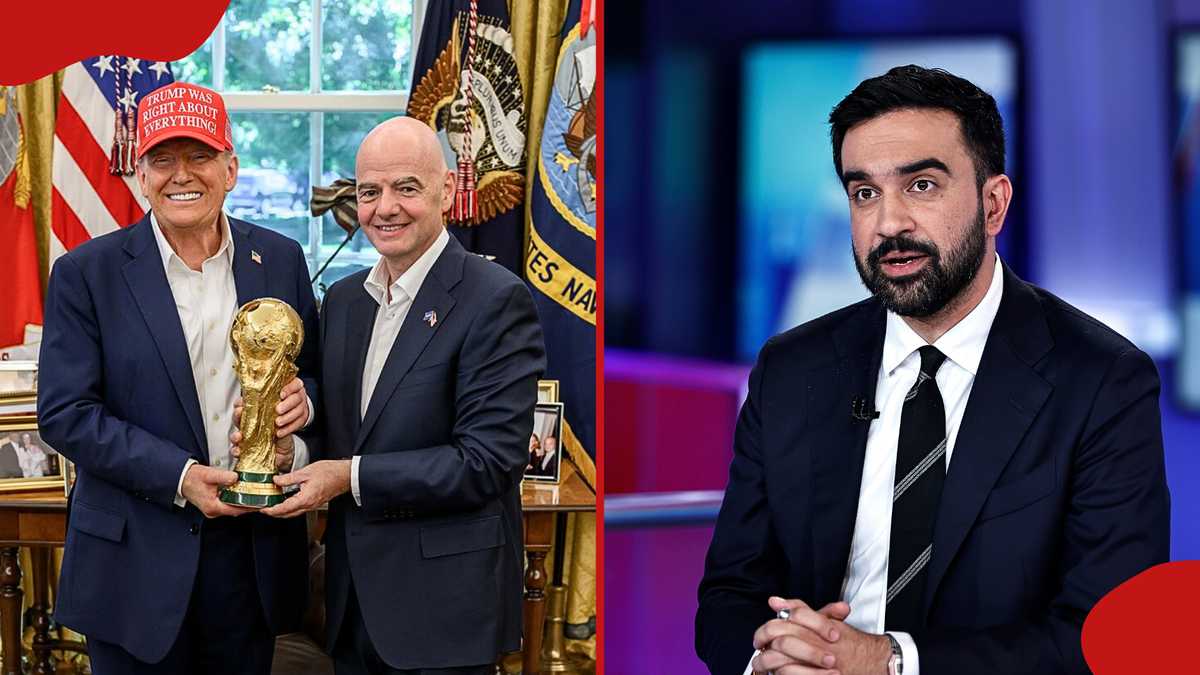
Zohran Mamdani, the newly elected mayor of New York, is preparing for a significant confrontation with FIFA ahead of the 2026 World Cup, which will be hosted by the United States, Mexico, and Canada. As an Arsenal fan, Mamdani has long been vocal about his concerns regarding FIFA’s policies, particularly those related to ticket pricing and accessibility.
Mamdani secured his position as the 111th mayor of New York City, becoming the first Muslim individual to hold this prestigious office. He won the mayoral race with just over 50% of the votes, defeating former governor Andrew Cuomo and Republican candidate Curtis Sliwa. His campaign was heavily influenced by football-related issues, which resonated well with the city’s residents.
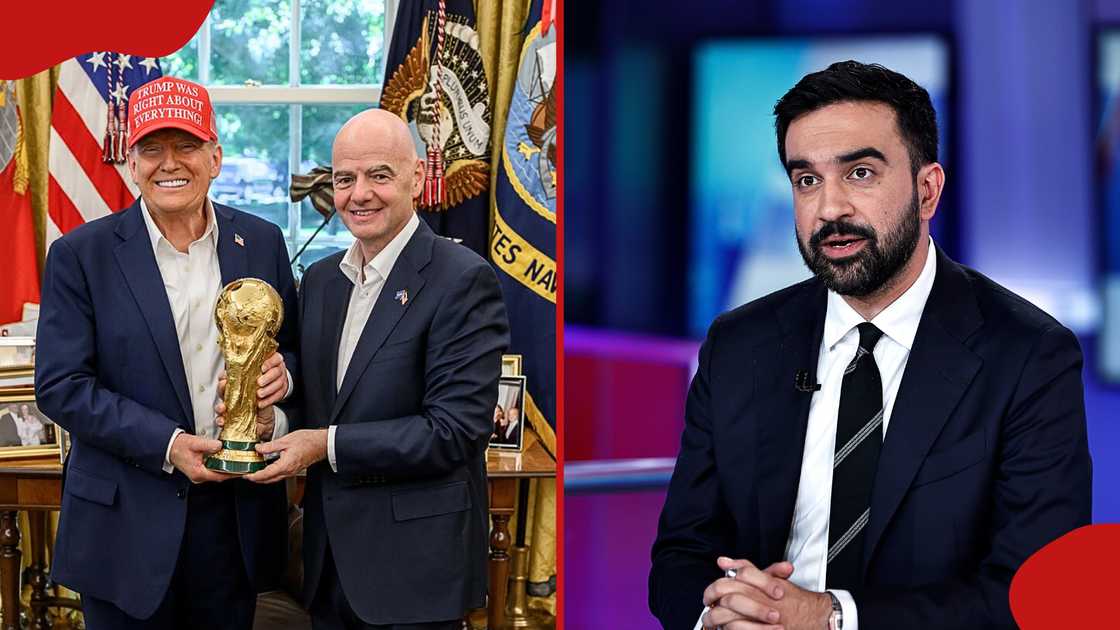
Throughout his campaign, Mamdani emphasized the importance of making life more affordable for New Yorkers, and his opposition to FIFA’s dynamic ticket pricing policy was a key part of this message. He launched a petition titled “Game over Greed,” aiming to pressure FIFA into reinstating a cap on ticket resales and reserving 15% of tickets for residents at discounted prices.
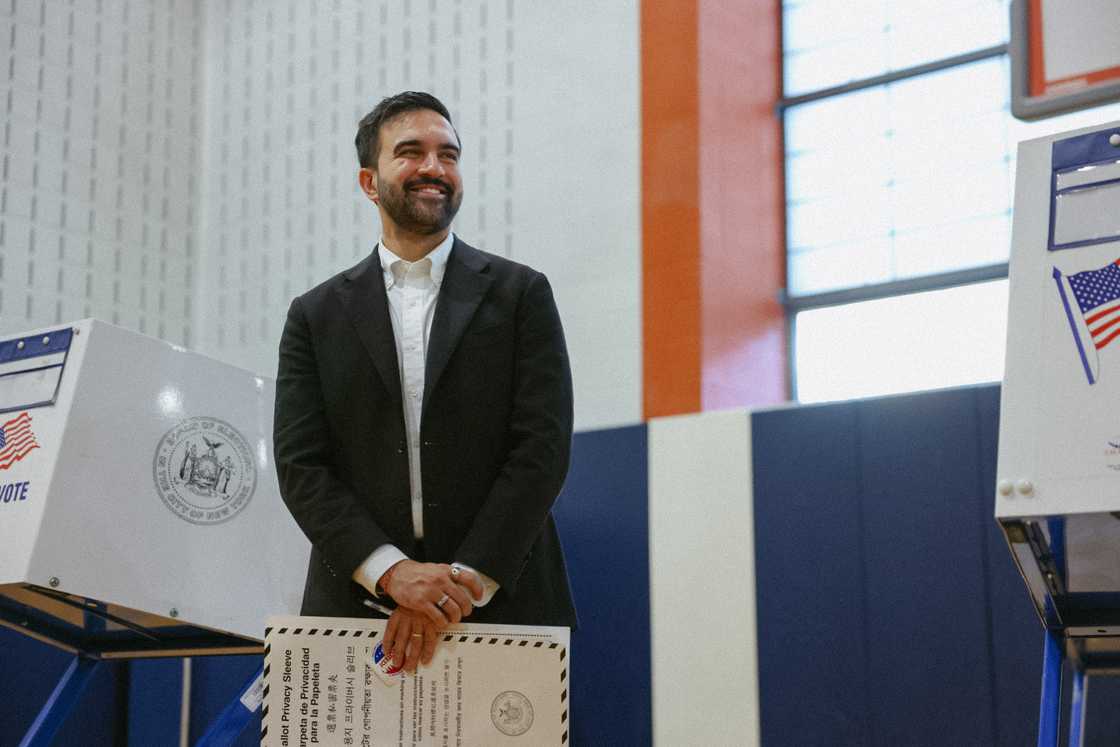
The 2026 World Cup tickets went on sale recently, with the cheapest options starting at $60 (KSh 7,700) for group stage matches. However, the most expensive tickets for the final game reached up to KSh 869,000. FIFA implemented dynamic pricing, adjusting ticket costs based on demand. For example, the price of nine games was increased on the first day of sales.
Mamdani argues that these pricing strategies could exclude many New Yorkers from experiencing the World Cup, which he views as a source of joy for the city’s residents. “These kinds of policies from FIFA threaten to price out the very people who make this game so special,” he stated in an interview with The Athletic. “In our fight for making the most expensive city in America affordable, it’s a fight that is not limited just to housing, childcare, and public transit. It also extends to the moments that give New Yorkers such joy, which will be the World Cup next year.”
FIFA has responded by agreeing to set aside specific fan areas at fixed prices, although the exact number of tickets and the pricing details remain undisclosed. “That is only part of what we are demanding. We are demanding the end of dynamic pricing for the World Cup. But it shows that they (FIFA) are paying attention, and also that there’s still more work to be done,” Mamdani said.
Another point of contention involves FIFA’s relationship with Donald Trump. Previously, Trump had threatened to revoke the World Cup from cities experiencing unrest. However, FIFA’s vice-president clarified that the administration of the World Cup falls strictly under FIFA’s jurisdiction.
Trump has expressed his disagreement with Mamdani, publicly urging voters not to elect him. This clash highlights the broader implications of Mamdani’s stance on affordability and accessibility, extending beyond local politics to international sports governance.