

Understanding AI Washing in Home Appliances
AI washing is a growing concern in the consumer electronics market. It refers to the practice of misleading consumers by labeling or advertising products as incorporating artificial intelligence (AI) when, in reality, they do not use AI technology or only use it minimally. This deceptive marketing tactic has been identified in various home appliances, where manufacturers exaggerate the presence of AI features to attract tech-savvy buyers.
Key Findings from Recent Surveys
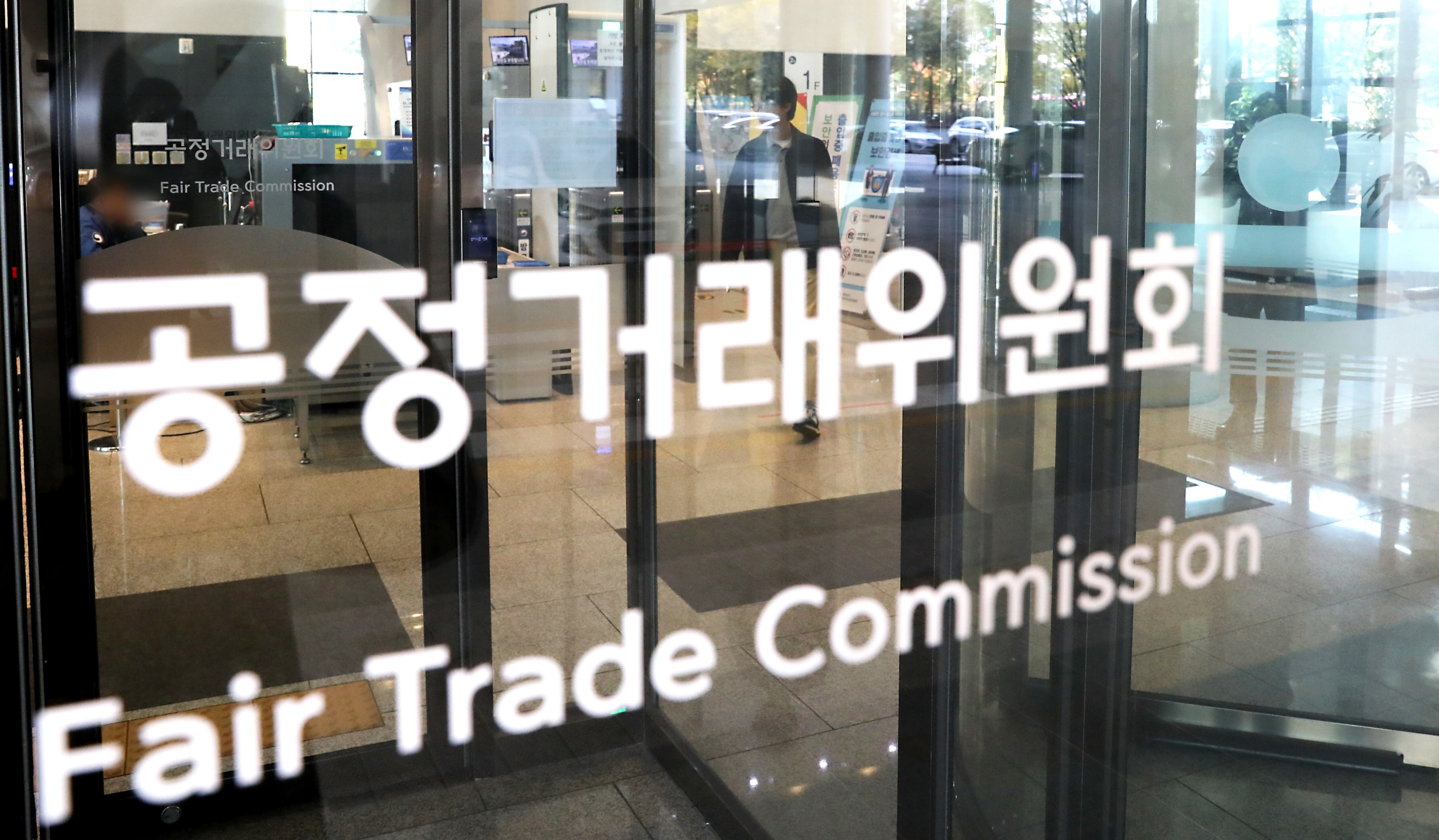
On the 7th, the Korea Fair Trade Commission and the Korea Consumer Agency released the results of a monitoring survey on suspected AI washing practices along with a consumer awareness survey. The findings highlighted several cases where products were falsely marketed as having AI capabilities. According to the survey, 20 suspected cases of AI washing were identified. In 19 of these cases, the “AI” designation was either included in the product names or advertised in an exaggerated manner, despite the use of simple sensor technology that does not qualify as AI.
Examples of AI Washing in Practice
One notable example involved a dehumidifier that was marketed as having “artificial intelligence features.” However, the device only used a humidity sensor to automatically control its operation. This type of feature, while useful, does not constitute true AI technology. Similarly, some coolers were advertised as having AI-driven airflow adjustments, but their functionality was based on basic sensor inputs rather than complex algorithms or machine learning capabilities.
Other instances included:
- Products that claimed to use AI for energy efficiency, but in reality, they simply adjusted settings based on pre-set conditions.
- Devices that featured AI in their names or packaging but had no actual AI components or software.
- Marketing materials that described simple automation as AI, leading consumers to believe they were purchasing advanced smart technology.
These examples illustrate how AI washing can mislead consumers into thinking they are buying innovative products when, in fact, the AI features are either non-existent or extremely limited.
Implications for Consumers
The prevalence of AI washing raises important questions about transparency and consumer protection. Many buyers are drawn to products labeled as AI-enabled due to the perceived benefits of smart technology, such as improved efficiency, convenience, and connectivity. However, if these claims are exaggerated or false, consumers may end up paying premium prices for features that offer little real value.
This issue also highlights the need for clearer regulations and standards around the use of AI terminology in marketing. Without proper guidelines, manufacturers have the opportunity to exploit the ambiguity of the term “AI” to gain a competitive advantage.
What Can Consumers Do?
To avoid falling victim to AI washing, consumers should:
- Research the specific features of a product before making a purchase.
- Look for detailed descriptions of how AI is used in the device.
- Be cautious of vague or overly broad claims about AI capabilities.
- Consult independent reviews or expert opinions to verify the authenticity of AI features.
By staying informed and asking the right questions, consumers can make more informed decisions and support companies that prioritize transparency and innovation.
Conclusion
AI washing is a significant issue that affects both consumer trust and the integrity of the market. As AI technology continues to evolve, it is crucial for regulators, manufacturers, and consumers to work together to ensure that marketing practices remain honest and accurate. Only through increased awareness and stronger oversight can the problem of AI washing be effectively addressed.