
Major Insurance Fraud Case Uncovered in South Korea
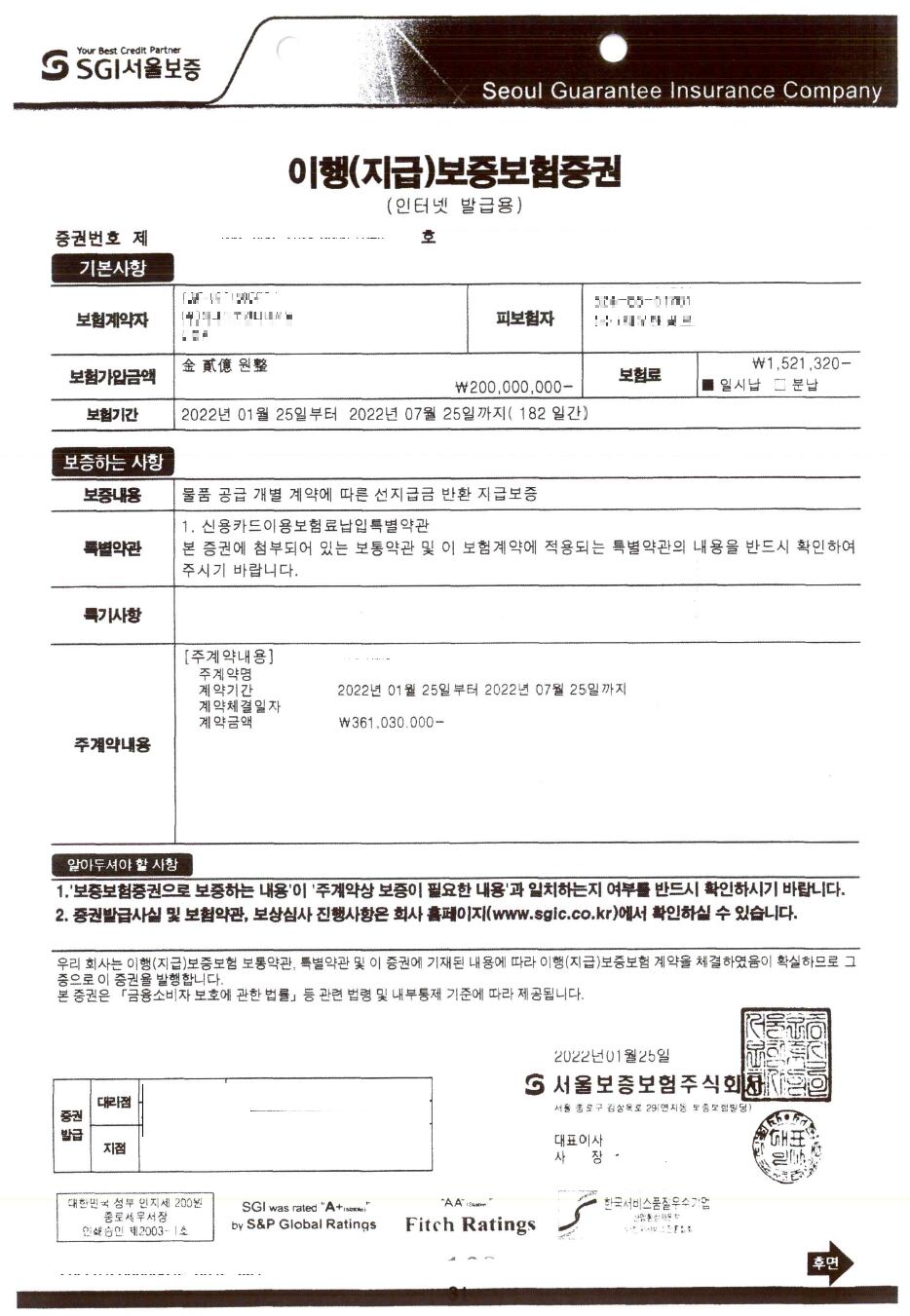
A significant insurance fraud case has been uncovered in South Korea, with 38 individuals arrested for allegedly defrauding SGI Seoul Guarantee Insurance of billions of Korean won. The suspects, including company representatives and brokers, are accused of violating the Special Act on the Prevention of Insurance Fraud by forging supply contracts and enrolling in return guarantee insurance products.
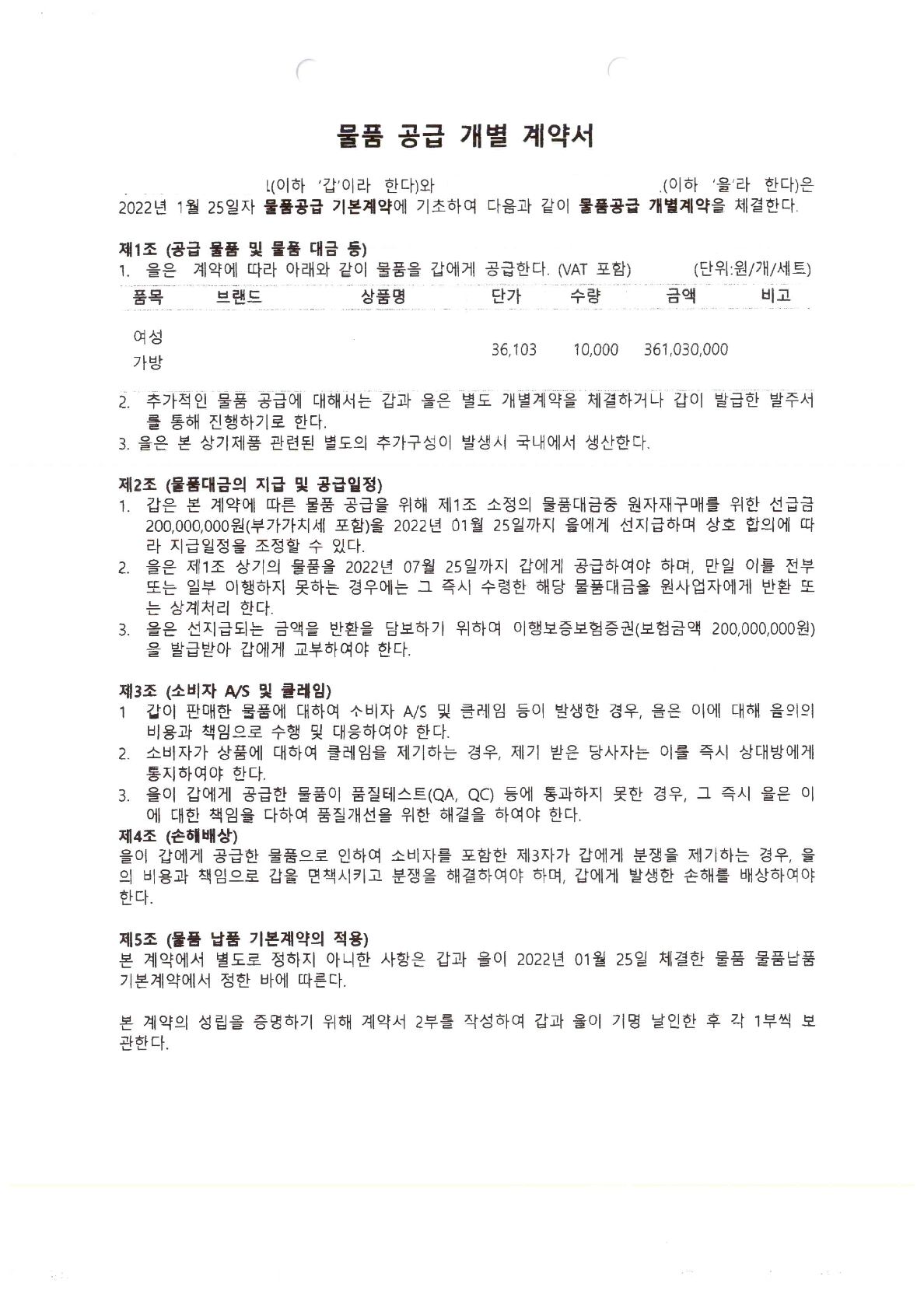
The Seoul Metropolitan Police Agency’s Metropolitan Investigation Unit Criminal Mobile Unit announced the arrests on the 7th. The 38 individuals were referred to prosecutors, with one suspect being detained. The suspects are alleged to have embezzled approximately 8 billion Korean won by disguising intercompany loan agreements as supply contracts and enrolling in SGI’s insurance products between February 2020 and July 2023.
SGI, a comprehensive guarantee company, offers a “performance guarantee insurance” product that compensates for financial losses if a policyholder fails to deliver goods on time or repay advance payments under a supply contract. This insurance covers damages incurred by the insured party if the policyholder defaults on obligations specified in the main contract.
Key Individuals and Their Roles
One of the key suspects, Mr. A, is alleged to have borrowed 11 billion Korean won in 67 installments from loan companies between December 2021 and December 2022. He falsely posed as a party to a goods contract to enroll in the insurance product. Mr. A is suspected of receiving 4.5 billion Korean won in insurance payouts after failing to repay the principal loan amount.
Another suspect, Mr. B, recruited 15 businesses and borrowed 4 billion Korean won in 25 installments from loan companies between February 2020 and July 2023. He is accused of receiving 3.5 billion Korean won in insurance payouts for unpaid loan principals. Investigations revealed that these businesses, due to low credit ratings, enlisted third parties to forge supply contracts and enroll in guarantee insurance in exchange for fees.
Through this scheme, SGI was deceived into paying a total of 8 billion Korean won in insurance claims, believing the supply contracts had defaulted.
Police Recommendations and Institutional Improvements
The police stated that insurance reviews should not rely solely on contract documents submitted by applicants but require a system to verify the authenticity of actual agreements. They proposed institutional improvements to SGI, emphasizing the need for more rigorous verification processes.
The police also highlighted that insurance fraud is established when the substantive content of the insured subject differs and the actual details are not disclosed to the insurer at the time of enrollment. This case underscores the importance of transparency and thorough verification in the insurance industry to prevent such fraudulent activities.
Impact on the Insurance Industry
This large-scale fraud case has raised concerns about the integrity of insurance practices in South Korea. The involvement of multiple companies and individuals suggests a coordinated effort to exploit the insurance system for personal gain. The case highlights the need for stricter regulations and enhanced oversight to prevent similar incidents in the future.
Insurance companies must take proactive measures to ensure that all applications are thoroughly vetted and that the information provided is accurate and verifiable. The use of technology and data analytics can play a crucial role in detecting anomalies and identifying potential fraud.
Conclusion
The arrest of 38 individuals in connection with the insurance fraud case marks a significant step in addressing systemic vulnerabilities within the insurance sector. As the investigation continues, it is essential for regulatory bodies and insurance companies to work together to implement robust safeguards against fraudulent activities. This case serves as a reminder of the importance of vigilance and accountability in maintaining the integrity of the insurance industry.