
A Success Story in Climate-Smart Agriculture
In Takoradi, a region in Ghana, Mr. Francis Aforve, the Executive Director of the African Foundation for Climate Change and Sustainable Development (AFCCSD) and founder of Climate Smart Solutions Limited, has made significant strides in the field of climate-smart agriculture. His snail farming project has grown from 1,000 to over 20,000 snails within just five months, showcasing the potential of innovative agricultural practices.
The project, implemented through Climate Smart Solutions Limited, started in November 2024 with the construction of one greenhouse for a private client. This initial step laid the foundation for what would become a remarkable success story in sustainable farming.
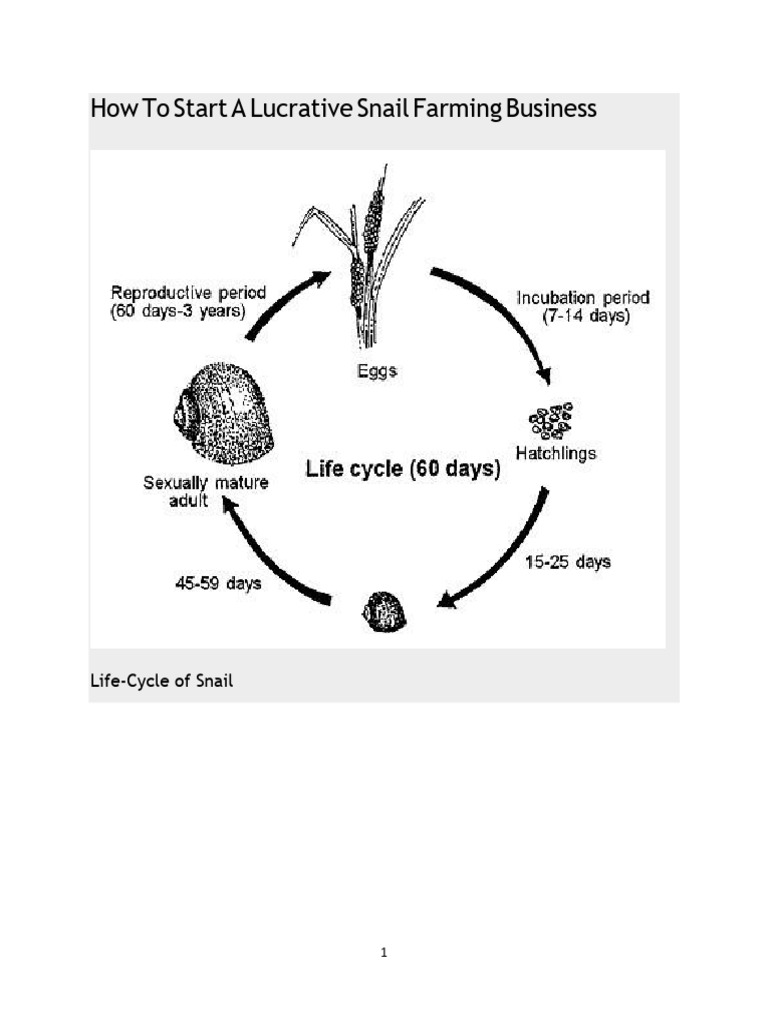
In May 2025, the farm was stocked with 1,000 point-of-lay achatina snails. The first greenhouse created optimal conditions for rapid reproduction, and by October 2025, the snail population had surged to more than 20,000. This growth prompted the client to commission three additional greenhouses to accommodate the expanding stock.
“This is a practical example of how climate-smart agriculture can transform livelihoods,” Mr. Aforve stated. He emphasized the importance of creating a controlled environment that mimics natural conditions while protecting the snails from predators, harsh weather, and disease. This approach has led to exponential growth with minimal losses.
The greenhouses were equipped with humidity and temperature regulation systems, sustainable feeding mechanisms, and biosecurity measures that enhanced breeding efficiency. These features not only ensured high productivity but also aligned with Ghana’s goals for food security, youth employment, and climate adaptation.
Snail farming, often overlooked in mainstream agribusiness, is gaining traction as a high-yield, low-impact venture. With increasing demand for organic protein and export potential, this model of snail rearing could be replicated across Ghana and West Africa.
Mr. Aforve said, “As both a climate advocate and entrepreneur, I see this as a blueprint for sustainable development. We’re not just farming snails—we’re building a resilient agricultural future.”
He pointed out that the greenhouse setup, breeding techniques, and economic potential of snail farming explain why Ghanaian youth should be encouraged to venture into this sector. By promoting such initiatives, there is an opportunity to create jobs and improve food security in the region.
Key Features of the Snail Farming Project
- Controlled Environment: The use of greenhouses allows for the creation of an ideal environment for snail reproduction, ensuring optimal conditions for growth.
- Sustainability Practices: The project incorporates sustainable feeding mechanisms and biosecurity measures, which contribute to the overall health and productivity of the snail population.
- Economic Potential: With the growing demand for organic protein, snail farming presents a viable economic opportunity for local communities.
- Climate Adaptation: The project aligns with broader goals for climate adaptation, demonstrating how agriculture can be adjusted to meet environmental challenges.
The Future of Agriculture in Ghana
The success of Mr. Aforve’s project highlights the potential for innovative agricultural practices in Ghana. As the country continues to face challenges related to food security and climate change, initiatives like snail farming offer promising solutions.
By focusing on climate-smart agriculture, farmers can not only increase their yields but also contribute to the sustainability of their communities. The integration of technology and traditional farming methods can lead to more efficient and productive agricultural systems.
Moreover, the involvement of youth in such projects is crucial for the long-term success of these initiatives. Encouraging young people to engage in agriculture can lead to a new generation of farmers who are equipped with the knowledge and skills needed to adapt to changing environmental conditions.
In conclusion, the snail farming project led by Mr. Aforve serves as a model for sustainable development in Ghana. It demonstrates how innovative approaches can address pressing issues such as food security, employment, and climate change. As more individuals and organizations adopt similar practices, the agricultural sector in Ghana can look forward to a more resilient and prosperous future.