
New Restrictions on Electronic Devices in Air Travel
Airlines around the world are implementing stricter rules regarding the transportation of electronic devices, particularly those containing lithium batteries. This comes as a response to growing concerns about fire hazards and safety risks associated with such items.
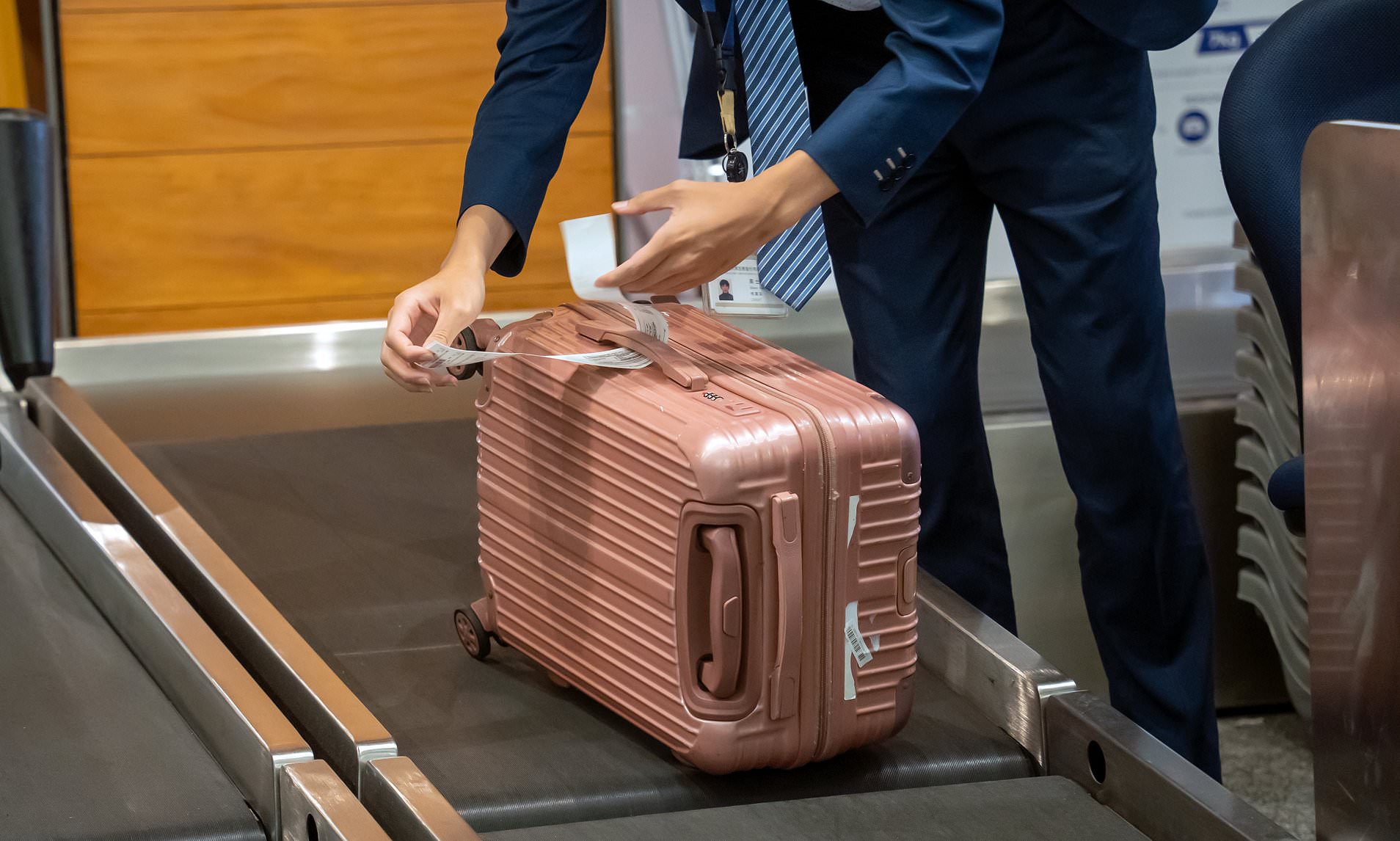
Bluetooth Earbuds and Charging Cases Now Prohibited in Checked Luggage
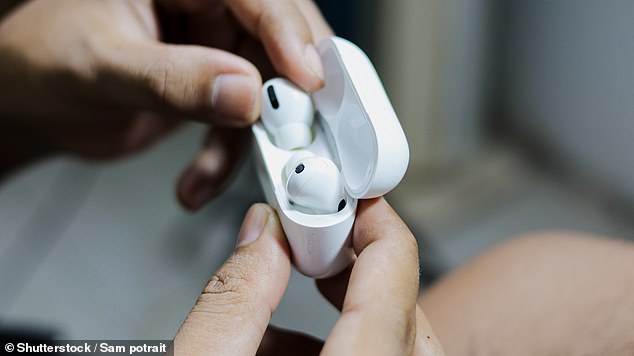
In Taiwan, airlines such as EVA Air, UNI Air, and Tigerair have updated their policies to prohibit Bluetooth earbuds, including Apple AirPods, from being placed in checked luggage. The reason behind this change is that these devices contain lithium batteries, which can pose a fire risk if they short-circuit. Additionally, the charging cases for these earbuds are constantly charged while in the case, increasing the likelihood of overheating.
As a result, these devices must now be carried in hand luggage. Tigerair stated: “Due to flight safety considerations, portable electronic devices such as earphone charging cases and portable electric fans with built-in lithium-ion batteries can only be carried in hand-held or carry-on formats on board the aircraft.”
UNI Air added: “Bluetooth earphones (including the charging case) are classified as Portable Electronic Devices (PED). For safety reasons, the airline said Bluetooth earphones and their charging cases are not permitted in checked baggage and must be carried in hand luggage instead.”
Expansion of Restrictions by Aviation Authorities
The New Zealand Aviation Authority has taken an even stricter approach by banning Bluetooth earbuds from being placed in checked luggage. They classify the charging case as a form of power bank, which increases the risk of fire. This move highlights the growing concern among aviation authorities about the potential dangers of lithium batteries in air travel.
In contrast, the UK’s Civil Aviation Authority (CAA) does not have a specific ban on Bluetooth earbuds or power banks in flight cabins. However, they advise that these items should never be packed into hold luggage. The CAA also emphasizes that the rules may vary depending on the size of the lithium battery.
Most airlines allow portable chargers with a watt-hour (Wh) rating of no more than 100Wh into the cabin without requiring special permission. It is crucial that the Wh rating is clearly stated on the device. Travelers are encouraged to check the specific rules of their airline before packing any lithium battery-powered devices.
Additional Rules for Electronic Devices
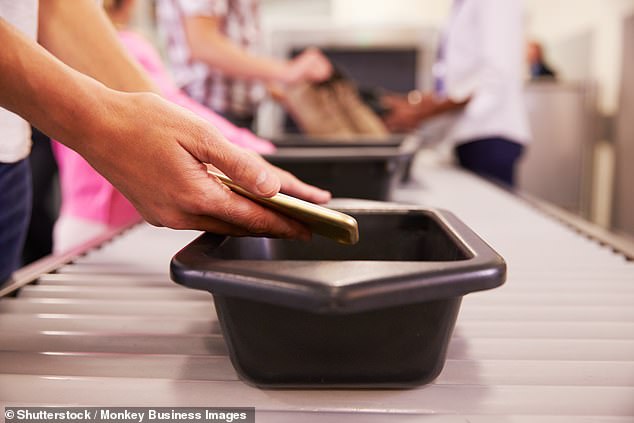
Beyond restrictions on power banks and earbuds, travelers are also advised to be aware of other regulations concerning electronic devices. One overlooked rule involves ensuring that mobile phones have enough battery to turn on. If a device cannot be turned on during security checks, it may be confiscated.
Airlines generally permit certain electronic devices in cabin baggage, such as mobile phones, laptops, and tablets. However, all devices must be fully charged before going through security. If any device has a dead battery, it could lead to complications, including confiscation.
According to the GOV.UK website: “Make sure your electronic devices are charged before you travel. If your device does not switch on when requested, you will not be allowed to take it onto the aircraft.”
Ongoing Concerns and Future Implications
The tightening of rules around lithium batteries raises questions about the future of air travel and how airlines will manage the increasing number of electronic devices passengers bring on board. Airlines like Emirates and Singapore Airlines have already imposed bans on power banks, leading to debates about whether these restrictions are necessary or overly cautious.
With more airlines adopting similar measures, travelers need to stay informed about the latest regulations. As technology continues to evolve, so too will the rules governing its use in air travel. Whether power banks will face further restrictions remains to be seen, but one thing is clear—safety is the top priority for airlines and aviation authorities alike.