Growing China-Africa Digital Cooperation
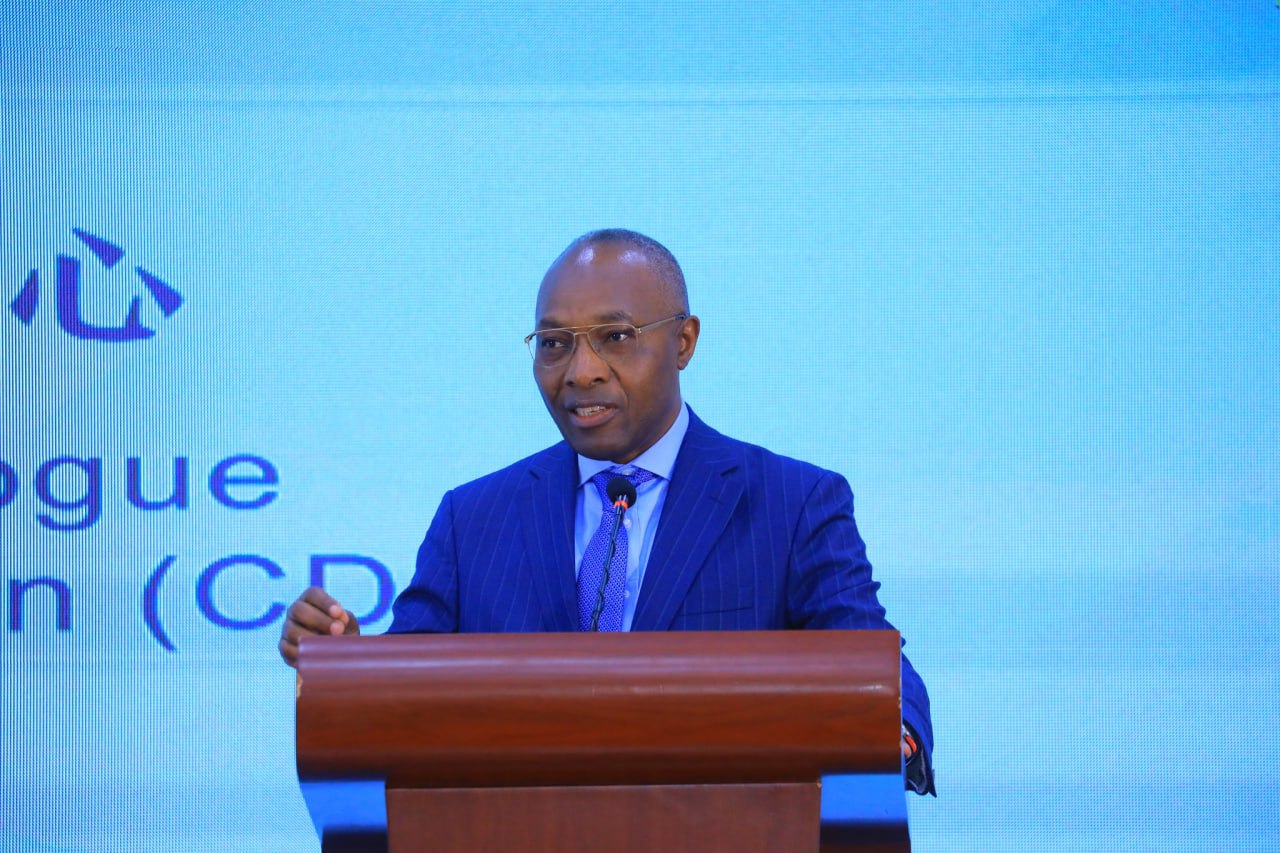
Addis Ababa, November 6, 2025 – The collaboration between China and Africa in the digital economy is showing significant progress, driven by various initiatives. Stephen Karingi, Director of the UNECA Microeconomics, Finance and Governance Division, highlighted this during a seminar held in Addis Ababa under the theme “China Support Africa’s Industrialization: Promoting Green, Coordinated and Sustainable Development.”
Karingi emphasized that the Economic Commission for Africa (ECA) is actively working to develop domestic capital markets, believing that access to capital is crucial for economic growth. He pointed out that Africa must leverage the digital economy and emerging industries as key drivers of industrial transformation.
“Harnessing the potential of the digital economy requires investment in digital infrastructure, promotion of digital literacy, and support for tech entrepreneurship,” he said. This approach aims to create a foundation for sustainable development across the continent.
Key Initiatives in Digital Transformation
The China-Africa cooperation in the digital economy is gaining momentum through several initiatives. These include investments in broadband infrastructure, smart cities, and e-government platforms. Additionally, joint ventures in cloud computing, mobile payments, and digital training programs are being established to build capacity and bridge the gap in digital finance.
Karingi noted that these efforts are not only enhancing technological capabilities but also fostering economic growth and innovation in African countries. By integrating digital solutions into various sectors, the partnership is helping to modernize economies and improve service delivery.
Industrialization as a Necessity
Affirming that Africa’s industrialization is not a distant dream but a necessary goal, Karingi stressed that it requires deliberate action, strategic investment, and bold leadership. He mentioned that the ECA is prioritizing resource-based industrialization, aiming to utilize Africa’s abundant natural resources effectively.
“This year, we are focusing on supporting member states in building capacity agencies, and we are partnering with the African peer review mechanism of the African Union in its effort to create the specialist body on the African credit agency,” he explained.
The commission also advocates for the use of climate finance instruments such as debt swaps, financing, and budget development. These tools are essential for promoting sustainable industrialization and addressing environmental challenges.
Strategic Investments and Leadership
According to Karingi, the success of industrialization depends on strategic investments and strong leadership. He emphasized the importance of creating an environment that encourages innovation and entrepreneurship. This includes developing policies that support local industries and attracting foreign investments that align with national development goals.
The ECA’s commitment to resource-based industrialization reflects its belief in the continent’s potential to harness its endowments for economic growth. By focusing on sustainable practices and leveraging international partnerships, Africa can achieve long-term prosperity.
Future Prospects and Collaborations
Looking ahead, the collaboration between China and Africa is expected to expand further. With ongoing initiatives in digital infrastructure and industrial development, the partnership is set to play a pivotal role in shaping Africa’s economic future.
Karingi highlighted the need for continued dialogue and cooperation between stakeholders, including governments, private sector entities, and international organizations. This collaborative approach will ensure that the benefits of digital transformation and industrialization are widely shared across the continent.
As the digital economy continues to evolve, Africa’s ability to adapt and innovate will be crucial. By investing in education, technology, and infrastructure, the continent can position itself as a global player in the digital age.