
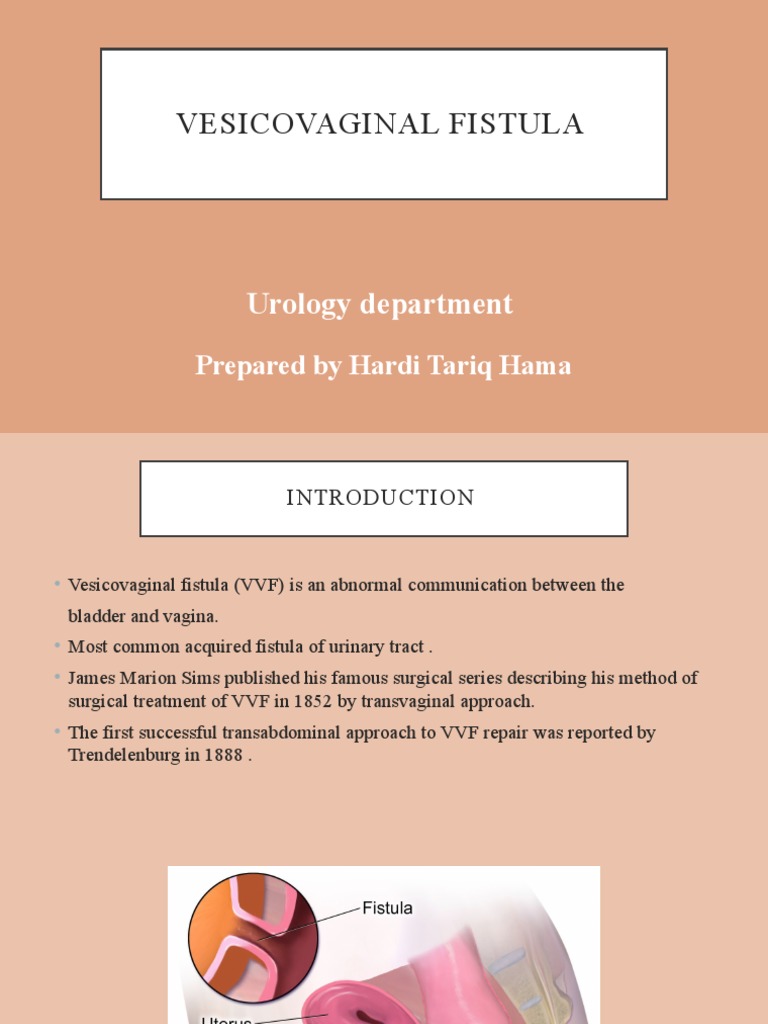
Understanding Vesicovaginal Fistula (VVF)
Vesicovaginal Fistula (VVF) remains one of the most distressing childbirth injuries affecting women in many developing countries. This condition, characterized by an abnormal connection between the bladder and the vagina, leads to continuous urine leakage and can have profound physical, emotional, and social consequences. Despite being preventable, VVF continues to impact thousands of women globally, often due to a combination of factors such as child marriage, lack of awareness, poor maternal healthcare, and social stigma.
Common Causes of VVF
-
Often Caused by Prolonged or Obstructed Labour
Most cases of VVF result from prolonged or obstructed labor without timely medical intervention. When a woman labors for hours or days without delivery, the pressure from the baby’s head can cut off blood flow to the tissues between the bladder and vagina, leading to tissue death and the formation of a hole. Factors like young maternal age, poverty, lack of emergency obstetric care, and early marriage contribute significantly to this issue. -
Can Also Occur After Surgery or Trauma
While childbirth is the primary cause, VVF can also develop after pelvic surgeries such as cesarean sections or hysterectomies, or as a result of traumatic injuries, including sexual violence. These cases highlight the need for careful post-operative care and trauma management.
Impact of VVF on Women
-
The Condition Leads to Constant Urine Leakage
Women living with VVF experience continuous leakage of urine through the vagina, which causes discomfort, odor, and infection. Beyond the physical pain, many also face emotional trauma and isolation due to the stigma surrounding the condition. The constant leakage can lead to a loss of dignity and a sense of shame that affects their quality of life. -
VVF Is Preventable With Proper Maternal Care
Access to quality maternal healthcare, skilled birth attendants, and timely cesarean delivery can prevent most cases of VVF. Early antenatal visits and delivery in equipped health facilities significantly reduce the risk of complications. Ensuring that women have access to these services is crucial in reducing the prevalence of VVF. -
Surgery Can Correct the Condition
VVF is treatable through reconstructive surgery performed by skilled surgeons. Many hospitals and humanitarian organizations in Nigeria, including the National Obstetric Fistula Centres, provide free or subsidized repair surgeries for women affected by fistula. These interventions offer hope and a chance for recovery to those who have suffered for years. -
Survivors Often Struggle With Social Rejection
Due to ignorance and stigma, many VVF survivors are abandoned by their families and communities. This isolation deepens their trauma and makes reintegration difficult, even after successful surgery. Public education and community support are vital for their recovery. -
Awareness and Advocacy Are Key to Eradication
Raising awareness about VVF helps prevent new cases and encourages women living with the condition to seek help. Governments, NGOs, and the media play crucial roles in promoting safe childbirth practices and empowering women to speak up without shame.
The Broader Implications of VVF
Vesicovaginal Fistula is a reflection of the gaps in maternal healthcare and social support. Every woman deserves a safe delivery and a life of dignity, free from the pain and stigma of VVF. Addressing this issue requires a multifaceted approach that includes improving access to healthcare, increasing public awareness, and fostering supportive communities.