
Escalation of Conflict in Sudan
The conflict in Sudan has reached a critical juncture as the paramilitary Rapid Support Forces (RSF) and the Sudanese army engage in fierce battles for control over North Kordofan. This development marks a dangerous new phase in a war that began in April 2023, which the United Nations has described as “the world’s worst crisis.” The RSF, having captured the strategic town of Bara around ten days ago, are now laying siege to El-Obeid, the capital of North Kordofan. According to the UN, at least 40 people were killed in El-Obeid on Tuesday, raising fears of further atrocities.
Residents in the region are increasingly worried about a repetition of the crimes witnessed in other towns recently taken over by the RSF. The fall of El-Fasher, the capital of neighboring North Darfur, last week has emboldened the RSF to extend their influence beyond Darfur into Kordofan. This expansion has overshadowed earlier events in Bara, where similar acts of violence were reported.
Reports of Atrocities and Humanitarian Crisis
The Sudanese Doctors Network, an organization that documents violence across the country, has reported that “dozens of bodies are piled up in houses in Bara,” with families unable to retrieve them. The group has condemned these actions as “a crime against humanity” and criticized the “persistent silence in the face of these crimes,” calling it “shameful.”
France and the United Nations have both called for a ceasefire amid growing reports of atrocities. An RSF member confirmed on Sunday that “all our forces have converged on the Bara front.” The town, like El-Fasher, is cut off from outside help, with no medical or humanitarian services operating there.
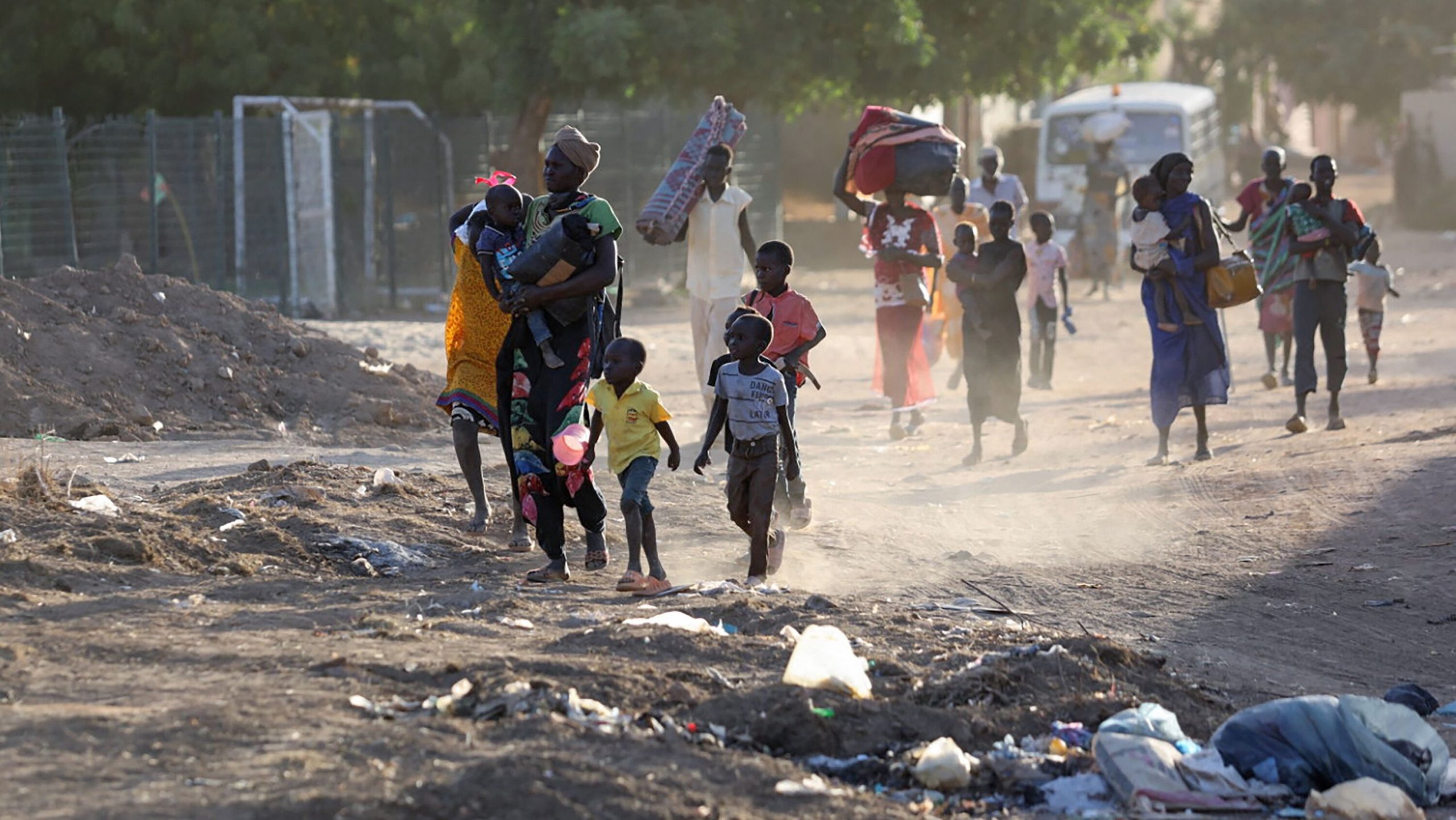
Martha Pobee, the UN’s assistant secretary-general for Africa, warned last week of “vast atrocities” and “ethnically motivated reprisals” by the RSF in Bara, highlighting a pattern similar to that seen in Darfur. The number of missing people in Bara continues to rise, along with the waves of residents fleeing under desperate conditions. The Sudanese Doctors Network stated that “they are fleeing on foot, without water or food and without medicine.”
Around 36,000 civilians have fled North Kordofan in a week, according to the International Organisation for Migration, fearing RSF attacks. As the army and paramilitaries fight for control of El-Obeid, residents told French news agency AFP that entire towns have become military targets, and people no longer dare to work in their fields.
Strategic Targets and Civilian Suffering
El-Obeid, under imminent threat of RSF attack, is a key logistics and command hub linking Darfur to the capital Khartoum. It also has an airport. The RSF are preparing to attack Babnusa, another important town in North Kordofan that they are besieging, where the army remains entrenched.
Civilians are fleeing mainly from areas where massacres have taken place, such as Bara and Om Dam Haj Ahmad. In the latter, nearly 400 civilians were killed on Thursday by the RSF, according to the Sudanese Doctors Network. The same day, an unknown number of people died in Zaribat al-Sheikh Borii in a drone strike. On Monday, around 40 people were also killed in another strike in Louaib, a village east of El-Obeid, according to the army. The victims, all civilians, were gathered for a funeral, the North Kordofan government said. “A crime that adds to those already committed by the RSF,” the governorate wrote.
The RSF have not responded to these allegations.
Ongoing Violence and International Response
The army has carried out attacks against RSF positions in North and West Kordofan and targeted reinforcements coming from Darfur. On Tuesday, it intensified air strikes on RSF-held areas. The paramilitaries claimed they shot down a military cargo plane over Babnusa just after it dropped ammunition to army forces trapped in the city. The crew members were killed.
Despite mounting international pressure for a ceasefire, both sides remain determined to seize territory. Sudan’s defense minister stated on Tuesday evening that the war against the paramilitaries would continue, following a government meeting that discussed a United States proposal to halt the fighting.
UN Secretary-General Antonio Guterres has called for an immediate end to the conflict, warning that the crisis was becoming “uncontrollable.”
No End in Sight
The situation remains dire, with both the army and RSF showing little willingness to back down. The conflict shows no signs of abating, and the humanitarian crisis continues to worsen. As the fighting intensifies, the international community watches closely, hoping for a resolution that can bring peace to the region and prevent further loss of life.