
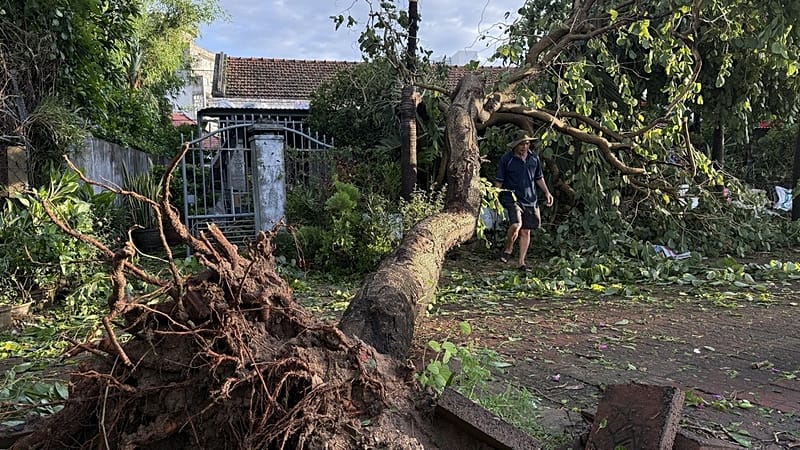
At least five people lost their lives in Vietnam following the landfall of Typhoon Kalmaegi on Thursday. The storm brought intense winds and heavy rainfall, causing widespread destruction across several central provinces. According to local authorities, three fatalities were reported in Dak Lak province, while two others died in Gia Lai. Additionally, three individuals remain missing in Quang Ngai. In total, six people were injured as a result of the storm.
The impact of the typhoon was extensive, with 52 houses collapsing and nearly 2,600 more suffering varying degrees of damage. Many properties experienced roof damage, including over 2,400 in Gia Lai alone. Critical infrastructure, such as power grids and energy plants, also sustained damage, leading to power outages affecting more than 1.6 million households.
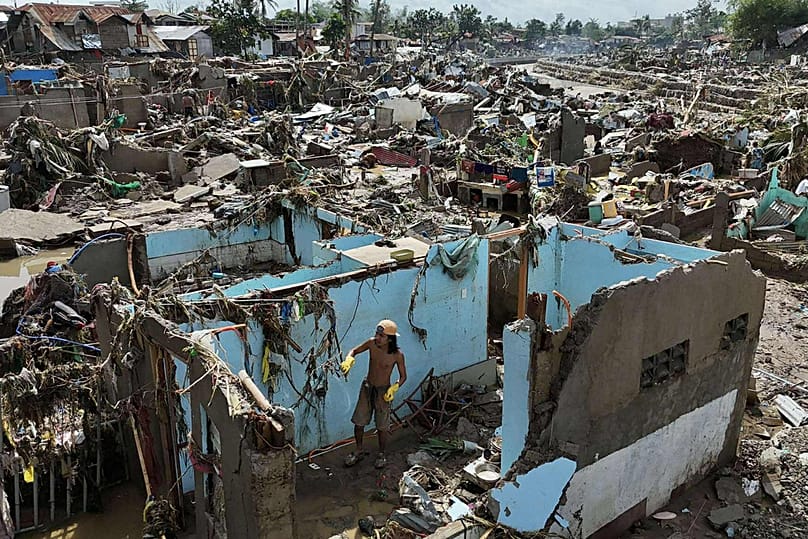
This tragedy follows a similar situation in the Philippines, where nearly 190 people were killed when the same storm struck the archipelago. Dozens of people remain missing, and the country is now bracing for another potentially powerful storm, Typhoon Fung-wong (locally known as Uwan). Philippine President Ferdinand Marcos Jr. declared a state of national emergency on Thursday as the nation prepares for the approaching storm.
Fung-wong is expected to expand to a diameter of approximately 1,400 kilometers before making landfall in northern Aurora province late on Sunday or early Monday. This could affect the densely populated capital region of Manila.
In the Philippines, Kalmaegi left at least 188 people dead and 135 missing, according to the Office of Civil Defence. Over half a million people were displaced, with nearly 450,000 evacuated to shelters. As of Thursday, over 318,000 remained in these shelters.
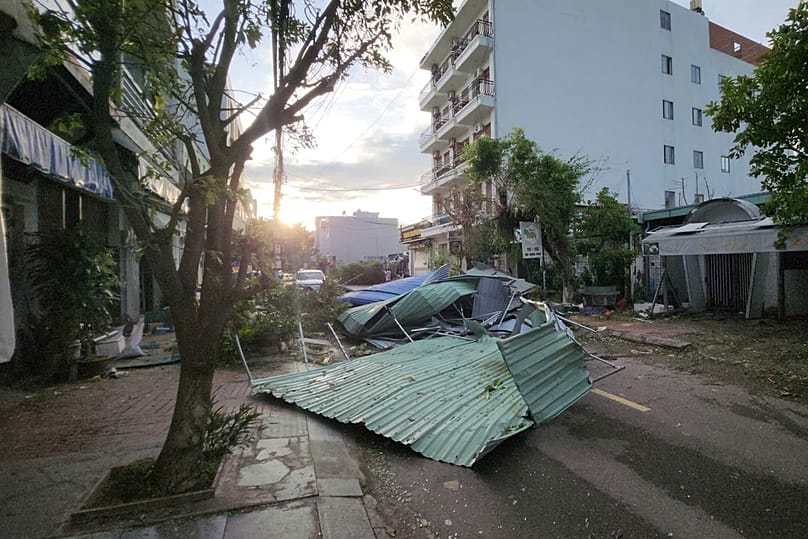
As Kalmaegi weakened into a tropical storm and moved into Cambodia on Friday, many areas in Vietnam reported significant damage. Trees were uprooted, power lines were damaged, and buildings were flattened. In Binh Dinh province, factories lost their roofs, and equipment was damaged due to flooding. In the hard-hit city of Quy Nhon, residents found corrugated metal roofs and household items scattered along the streets after the river surged to record levels overnight.
Residents assessing the damage on Friday encountered streets covered in fallen branches, twisted metal sheets, and muddy puddles. The storm’s impact was felt across the region, with communities working to clean up and recover from the devastation.
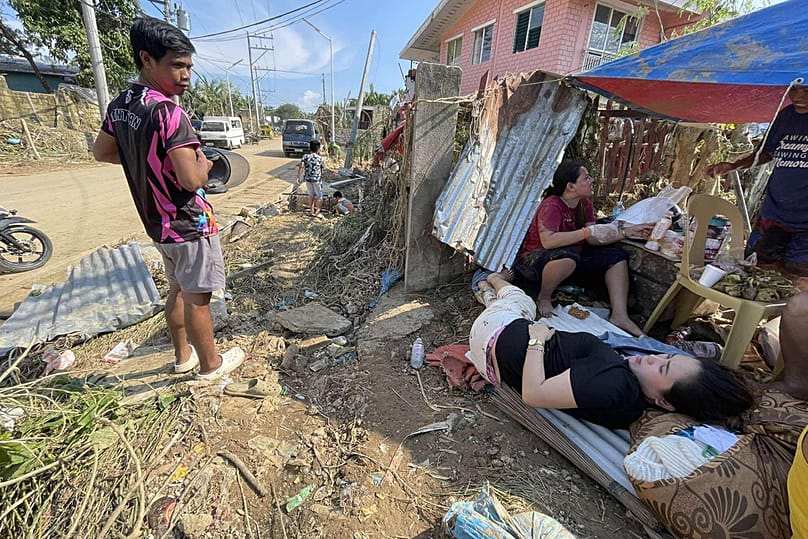
Shopkeepers were seen dragging waterlogged goods out to dry in the sun, while families swept mud from their doorsteps and patched up missing roof tiles. Vietnamese authorities reported that more than 537,000 people were evacuated, with many transported by boat as floodwaters rose and landslides threatened the area. The storm was forecast to bring up to 600 millimeters of rain.
The storm is now moving westward toward Cambodia and Laos after wreaking havoc in central Vietnam. Winds reached speeds exceeding 149 kilometers per hour during its peak. Although the storm has been downgraded, experts predict that the damage in Cambodia and Laos will be less severe compared to what was experienced in Vietnam and the Philippines. Current wind speeds are around 85 kilometers per hour.