
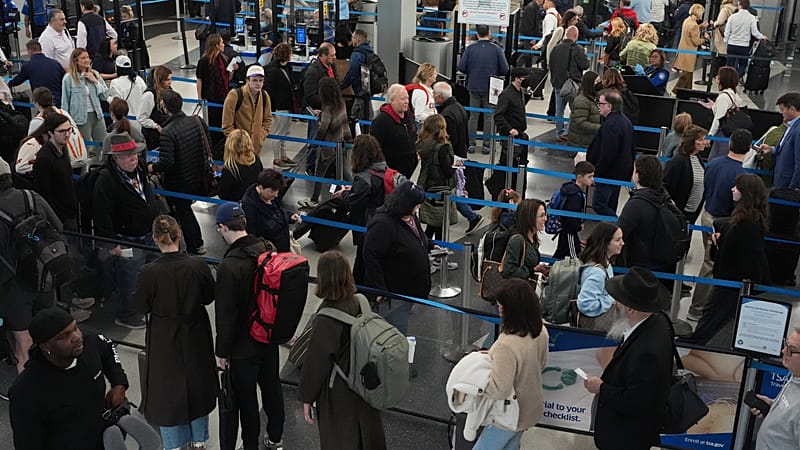
A significant disruption occurred in the United States aviation sector as the Federal Aviation Administration (FAA) implemented a 10% reduction in air traffic at 40 major airports. These included high-traffic hubs such as New York, Los Angeles, and Chicago. The decision led to hundreds of flight cancellations, causing inconvenience for thousands of travelers.
The measure was taken in response to the ongoing government shutdown, which has placed considerable pressure on air traffic control operations. This situation has highlighted the vulnerabilities within the nation’s transportation infrastructure, particularly when federal agencies face operational constraints due to funding issues.
Travelers at airports like Denver voiced their concerns and frustrations as airlines worked to reorganize schedules in an effort to minimize disruptions. Many passengers found themselves stranded or forced to reschedule their travel plans, leading to increased stress and uncertainty.
The FAA emphasized that the reductions in air traffic are intended to ensure safety while the government shutdown continues. By limiting the number of flights, the agency aims to prevent potential safety risks that could arise from overburdened air traffic control systems. This approach reflects a balance between maintaining operational efficiency and prioritizing the well-being of passengers and crew.
Key Impacts of the Flight Cancellations
- Economic Consequences: The cancellations have had a ripple effect across the economy, affecting not only airlines but also related industries such as hospitality, retail, and transportation services. Small businesses near affected airports may experience reduced foot traffic and revenue.
- Passenger Disruptions: Travelers faced challenges in adjusting their itineraries, with many experiencing delays and additional costs associated with rescheduling flights. The uncertainty surrounding the government shutdown has made planning difficult for those relying on air travel.
- Operational Strain: Airports and airlines have had to manage the sudden influx of canceled flights, requiring additional resources and coordination. Staff may have been overworked, and some airports may have experienced longer wait times for check-in and security screenings.
Broader Implications
The situation underscores the importance of stable government funding for critical infrastructure. The shutdown has exposed weaknesses in the system, particularly in areas that rely on federal oversight and support. As the situation continues, there is a growing need for a resolution to prevent further disruptions.
Possible Solutions and Next Steps
- Negotiation and Funding Resolution: The most immediate solution would be to resolve the government shutdown through negotiations, ensuring that federal agencies can operate without interruption. This would allow air traffic control systems to function at full capacity.
- Emergency Measures: In the absence of a resolution, emergency measures may be necessary to mitigate the impact on travelers. This could include temporary funding allocations or alternative strategies to manage air traffic more efficiently.
- Communication and Transparency: Airlines and airports must maintain clear communication with passengers, providing updates on flight status and offering assistance where possible. Transparent information can help reduce confusion and frustration among travelers.
As the situation unfolds, the focus remains on ensuring the safety and efficiency of air travel. The challenges posed by the government shutdown serve as a reminder of the interconnected nature of modern transportation systems and the need for coordinated efforts to address disruptions.