
Decline of Aquatic Species in Nepal’s Wetlands
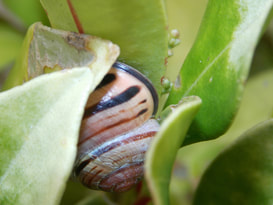
In recent years, the aquatic ecosystems of Nepal have witnessed a significant decline in water species such as fish, ghongi (freshwater snails), crabs, and sutahi (mussels). These creatures, once abundant in the region’s fields, rivers, streams, and wetlands, are now becoming increasingly rare. Locals in Badhaiyaatal rural municipality-5, particularly in Jagatiya, have observed this change firsthand.
Baliram Tharu, a 60-year-old resident, recalls that these species were once plentiful around his home. “We used to find them in large numbers,” he said. However, he notes that they have almost disappeared. According to him, the increasing use of chemical fertilizers and pesticides in modern farming practices is one of the main reasons behind this decline. Additionally, shrinking wetlands and the expansion of dry areas have also contributed to the problem.
Traditionally, locals caught fish using nets, traps, or even by hand. However, over time, harmful methods such as poisoning water or using electric currents have become more common, which has prevented these species from thriving. Residents have reported that such practices have further exacerbated the issue.
Badhaiyaatal, Nepal’s largest lake, covers an area of 107 bigha (one bigha equals 72,900 square feet). Despite its size, the lake has not been spared from the effects of overexploitation. Locals have noted that the survival of these aquatic animals is now under threat.
Impact on Bird Populations
Himalaya Tripathi, chairperson of Badhaiyaatal rural municipality, stated that only a few of these species remain compared to the past. He also mentioned that the depletion of water resources has led to a decline in bird populations. “The usual chirping of birds is no longer heard,” he added.
The growing demand for these aquatic species for sale rather than conservation has further harmed their populations. As dishes made from freshwater snails, crabs, and mussels gain popularity at local homestays, hunters have increasingly captured them for commercial purposes. This trend has put additional pressure on already vulnerable species.
Conventional practices among the Tharu community have historically relied on these animals as a source of food and sustenance. The region is home to two types of freshwater snails, five species of crabs, and two species of mussels. From a health perspective, these species are rich in protein and calcium, and are known to support bone strength and help with conditions like gastritis.
According to pediatrician Dr Bishwanath Yadav, awareness of these benefits may have further increased their consumption, contributing to their decline.
Conservation Concerns
Kamala Adhikari, head of the Integrated Agriculture Development and Livestock Office in Bardiya, confirms that these aquatic species are now close to extinction. She explained that farming practices have changed significantly over the years. The use of chemical fertilizers, pesticides, and heavy excavation in rivers and streams has largely damaged their habitats.
She also added that reduced rainfall and shrinking wetlands have worsened the situation. Today, only about 10 percent of freshwater snails remain compared to the past. Conservationists stress the urgent need for conservation efforts to protect these aquatic species.
The Need for Action
The loss of these aquatic species is not just an environmental concern but also a cultural and economic one. Their disappearance affects the livelihoods of local communities who have traditionally depended on them for sustenance and income. Moreover, the decline of these species can have broader ecological consequences, impacting the entire food chain and the health of the ecosystem.
Efforts to restore and protect these species must involve a multi-pronged approach. This includes promoting sustainable farming practices, enforcing regulations against harmful fishing methods, and raising awareness about the importance of conservation. Local communities, government agencies, and conservation organizations must work together to ensure the survival of these vital aquatic species.
As the situation continues to deteriorate, it is clear that immediate action is needed to prevent further loss. Without intervention, the unique biodiversity of Nepal’s wetlands may be lost forever, with far-reaching consequences for both nature and people.