
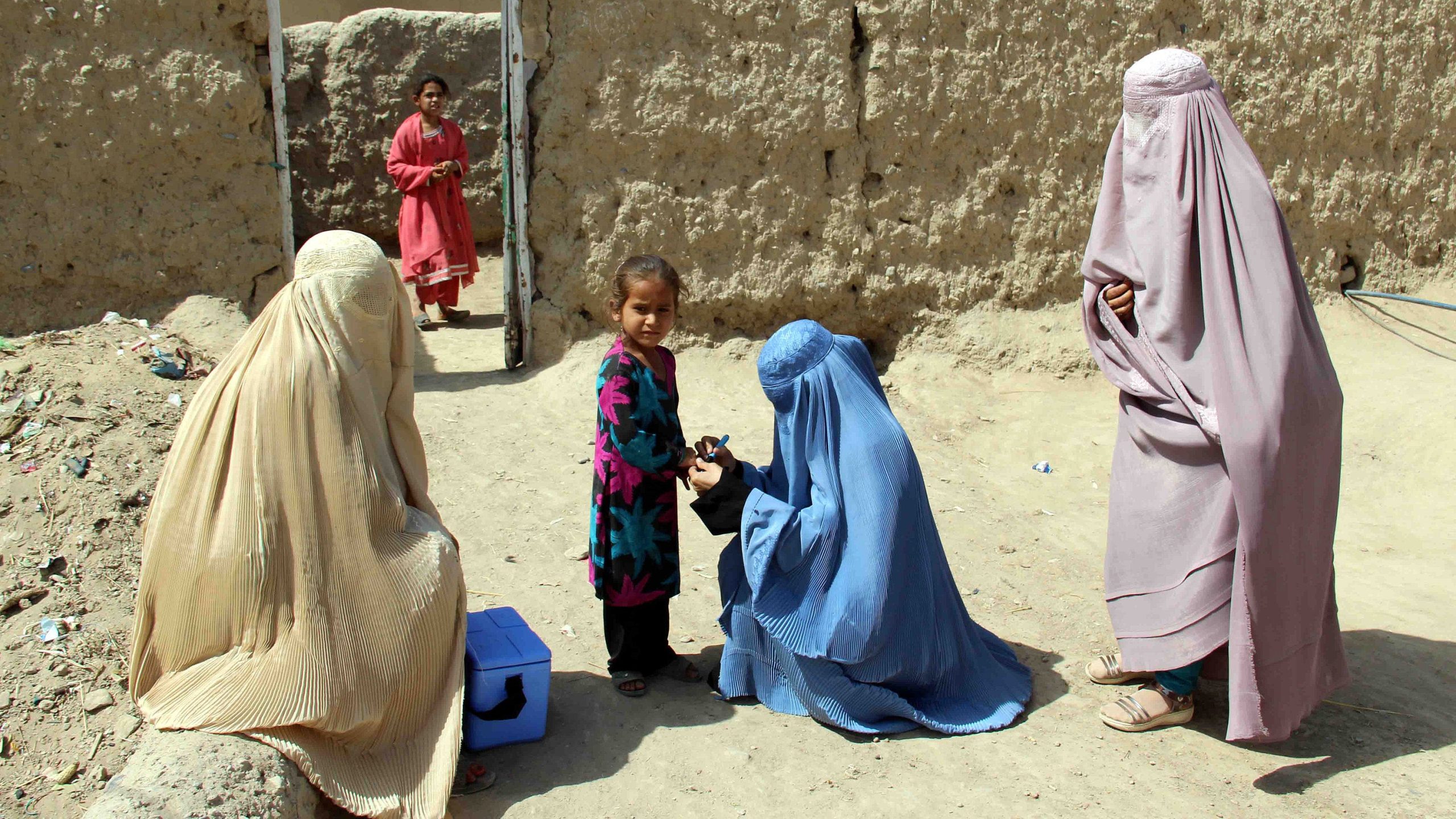
Challenges in Kogi State’s Vaccination Campaign
In Kogi State, a significant public health initiative is underway to immunize children and young girls against measles, polio, and human papillomavirus (HPV). This campaign, part of the 2025 Integrated Immunization Campaign, aims to protect the state’s youth from vaccine-preventable diseases. However, some Fulani communities have shown resistance to the program, creating challenges for local health workers.
The Kogi State Government recently launched the Integrated Measles-Rubella, Polio, and HPV Vaccination Campaign, which is considered a major step toward improving public health outcomes. Despite the efforts, not all communities are embracing the initiative. A visit by Vanguard to Kabba/Bunu Local Government Area revealed that while indigenous residents have shown high compliance, the Fulani communities have been more resistant.
Resistance from Fulani Communities
According to Mr. Atyodele Raphael, the Local Government Immunisation Officer, the resistance has impacted the campaign’s ability to meet its vaccination targets. “Despite using interpreters who speak their language, we are surprised by their repeated resistance,” he said. “Most Fulani women insist that we must get permission from their husbands before vaccinating their children, but many of the men are away.”
Even when given the opportunity to inform their husbands and return later, many families still refuse to allow their children to be vaccinated. Only a few families have agreed to proceed with the immunization. Raphael noted that the council is intensifying awareness campaigns among Fulani groups, expressing optimism that more families will consent before the exercise ends.
Kabba/Bunu LGA is targeting 66,000 children for immunization as part of the broader campaign. The effort is seen as critical to achieving widespread immunity and reducing the spread of preventable diseases.
Governor’s Commitment to Public Health
During the launch of the campaign at Kpata Primary Health Centre in Lokoja, Governor Usman Ododo emphasized the importance of the initiative. He described the vaccination drive as a significant step toward eliminating vaccine-preventable diseases and protecting girls against cervical cancer through the HPV vaccine.
“The vaccination campaign represents our renewed commitment to life, health, and the future of Kogi State,” Ododo said. “These vaccines are free, safe, and effective, and no child should be left behind.” He urged parents, caregivers, and community leaders to support the campaign and commended partners such as UNICEF and health workers for their dedication to improving the well-being of Kogi citizens.
Broader Goals and Partnerships
Dr. Abdulazeez Adams Adeiza, the Commissioner for Health, praised the governor’s leadership and acknowledged growing community support for revitalizing Primary Health Centres across the state. He also highlighted the importance of collaboration with international partners like UNICEF.
Dr. Mu’azu Musa Omeiza, the Executive Director of the Kogi State Primary Health Care Development Agency, announced that the campaign targets 1.9 million children aged nine months to 14 years for Measles and Rubella vaccination, with additional coverage for Polio and HPV. The campaign, running from October 6 to 15, is supported by UNICEF and other development partners.
Ongoing Efforts and Future Outlook
Despite the challenges, health officials remain committed to ensuring that as many children as possible receive the necessary vaccinations. The campaign is expected to play a crucial role in improving public health outcomes and reducing the burden of preventable diseases in Kogi State.
As the campaign progresses, continued engagement with resistant communities will be essential. By addressing concerns and providing accurate information, health workers hope to increase acceptance and ensure that no child is left behind.