
Innovations for Hearing-Impaired Athletes at the Deaflympics
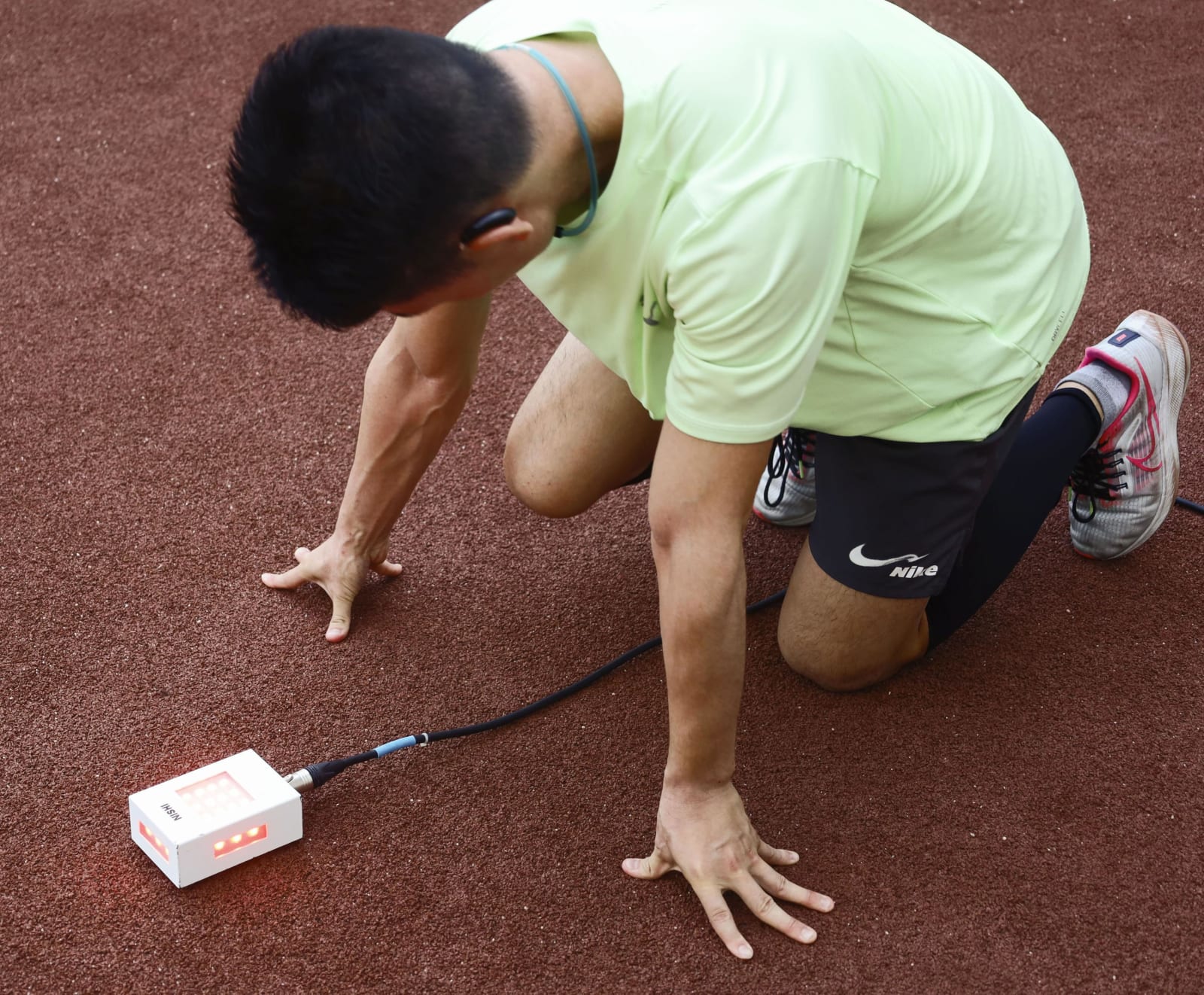
Tokyo is set to host the Deaflympics, an event that will showcase a range of innovative adaptations designed to support hearing-impaired athletes. Among these advancements are “start lamps” used alongside traditional pistols on the racetrack, ensuring fair and effective competition for all participants.
Masahisa Takemi, a 50-year-old teacher at Tokyo Metropolitan Chuo School for the Deaf, has played a key role in developing these signals for the games scheduled from November 15 to 26. His motivation stems from a deep commitment to creating an inclusive environment where individuals with disabilities can thrive without feeling limited by their challenges.
The idea originated over a decade ago when Takemi’s track and field team, which included both hearing and hearing-impaired athletes, participated in a meet. During one race, a female student from his team was instructed to start by observing her surroundings and listening through her hearing aid. However, she experienced a delayed reaction, leading to a poor start and visible distress.
This moment deeply affected Takemi, prompting him to seek a solution that would ensure fairness in competition. He recalled the use of start lamps in other countries and began developing compact devices that could signal the positions “On your marks,” “Get set,” and “Go” using red, yellow, and green lights respectively. These devices were then commissioned to be built by Nishi Athletic Goods Co.
For athletes who start races in a crouching position, the devices are placed on the ground near their hands and work in conjunction with the starter pistol. According to Takemi, athletes have reported that the lamps help them focus better during competitions, resulting in improved performance times.
Despite the positive impact, Takemi faced challenges in gaining recognition for his invention. When he attempted to promote the lamps to athletics officials, some dismissed them as unnecessary, highlighting a lack of awareness regarding hearing impairments.
However, Takemi remained persistent, and his efforts eventually led to the introduction of the devices at the 2016 World Deaf Athletics Championships in Bulgaria and later at the 2022 Deaflympics in Caxias do Sul, Brazil. In Japan, with the support of the Japan Sports Agency, the devices have been implemented in over 30 locations.
Takemi hopes that the lamps will not only enhance athletic performance but also raise awareness about the importance of inclusivity and support for the hearing impaired. His dedication serves as an inspiration for others to innovate and create opportunities for individuals with disabilities.