
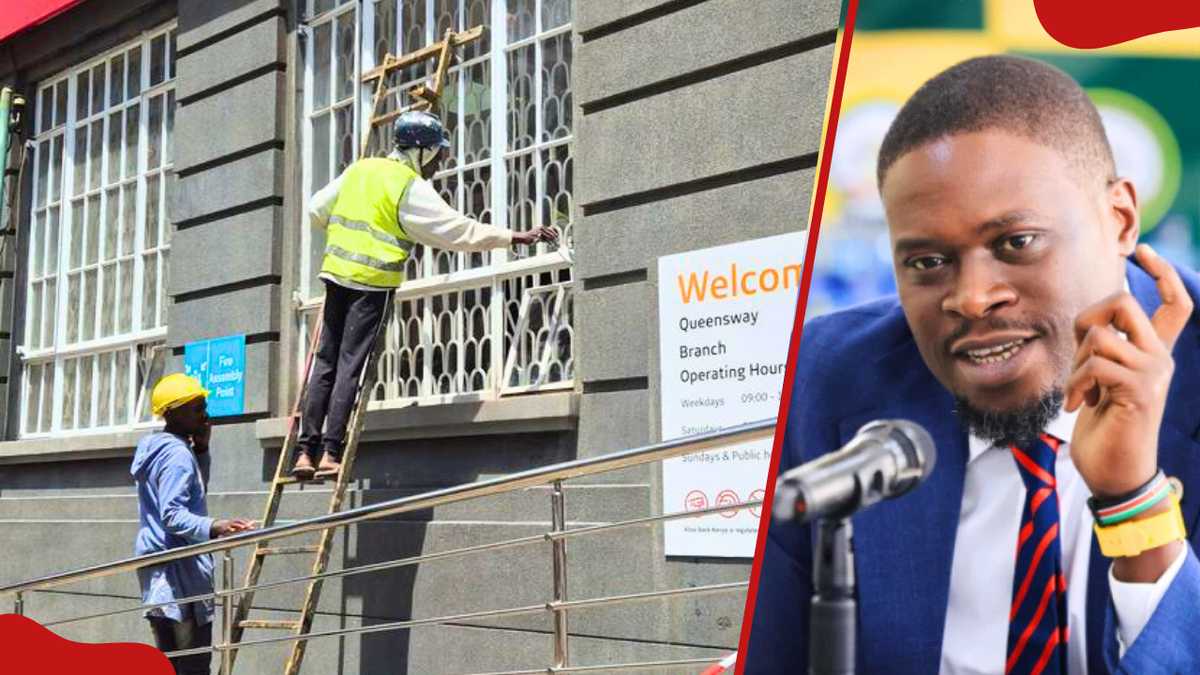
Nairobi is taking a significant step towards enhancing its urban aesthetics as the City Hall initiates citywide inspections starting on Monday, November 10. This move is aimed at enforcing a repainting directive issued to property owners across the capital. The initiative has been welcomed by many, but it has also sparked discussions about the city’s priorities.
Enforcement of Repainting Directive
The county government has emphasized that while several buildings have already complied with the directive, many in major commercial zones have yet to meet the required standards. Property owners who failed to act within the 14-day notice period now face potential penalties, including possible closure or prosecution. These measures are part of an effort to improve Nairobi’s overall appearance and maintain public health and safety.
Health and Nutrition CECM Suzanne Silantoi confirmed that officers from her department will lead the verification process to identify buildings that have not met the repainting requirements. She highlighted that the directive applies to property owners, tenants, and management agents in key areas such as the CBD, Westlands, Upper Hill, Ngara, Kirinyaga Road, and major shopping centers.
Silantoi explained that the initiative is grounded in the Public Health Act Cap 242 and the Physical and Land Use Planning Act of 2019. These laws require all buildings to meet basic public health and maintenance standards. To ease compliance, Governor Johnson Sakaja waived all repainting permit fees, reducing the financial burden on building owners during a time of economic challenges.
The Rationale Behind the Directive
The primary goal of the repainting directive is to restore Nairobi’s appeal and ensure the capital reflects a clean and modern urban environment. Silantoi noted that the directive is part of a broader effort to enhance the city’s identity and make it a vibrant and forward-looking African capital.
Several property owners, including those managing the I&M Building, have already complied with the directive. However, some buildings remain untouched, with reports indicating that certain structures have not been repainted since their construction many years ago.
As inspections begin on Monday, Nairobians can expect renewed efforts to restore the city’s skyline and reinforce its image as a modern and well-maintained urban center.

Mixed Reactions to the Initiative
While the directive has been widely reported, it has also generated mixed reactions among property owners and residents. Some have moved quickly to comply with the directive, recognizing the importance of maintaining a clean and attractive cityscape. However, others have questioned whether repainting is the most pressing concern for the city.
The Landlords and Tenants Association of Kenya raised concerns, arguing that repainting was not the most urgent issue facing residents. They suggested that the county should prioritize improving basic infrastructure such as roads and general cleanliness before focusing on paintwork.
This debate highlights the complex balance between aesthetic improvements and addressing more immediate infrastructural needs. As Nairobi continues to grow and evolve, the challenge remains to find a harmonious approach that addresses both visual appeal and practical necessities.