Strategic Partnership with China Boosts Ethiopia’s Industrialization
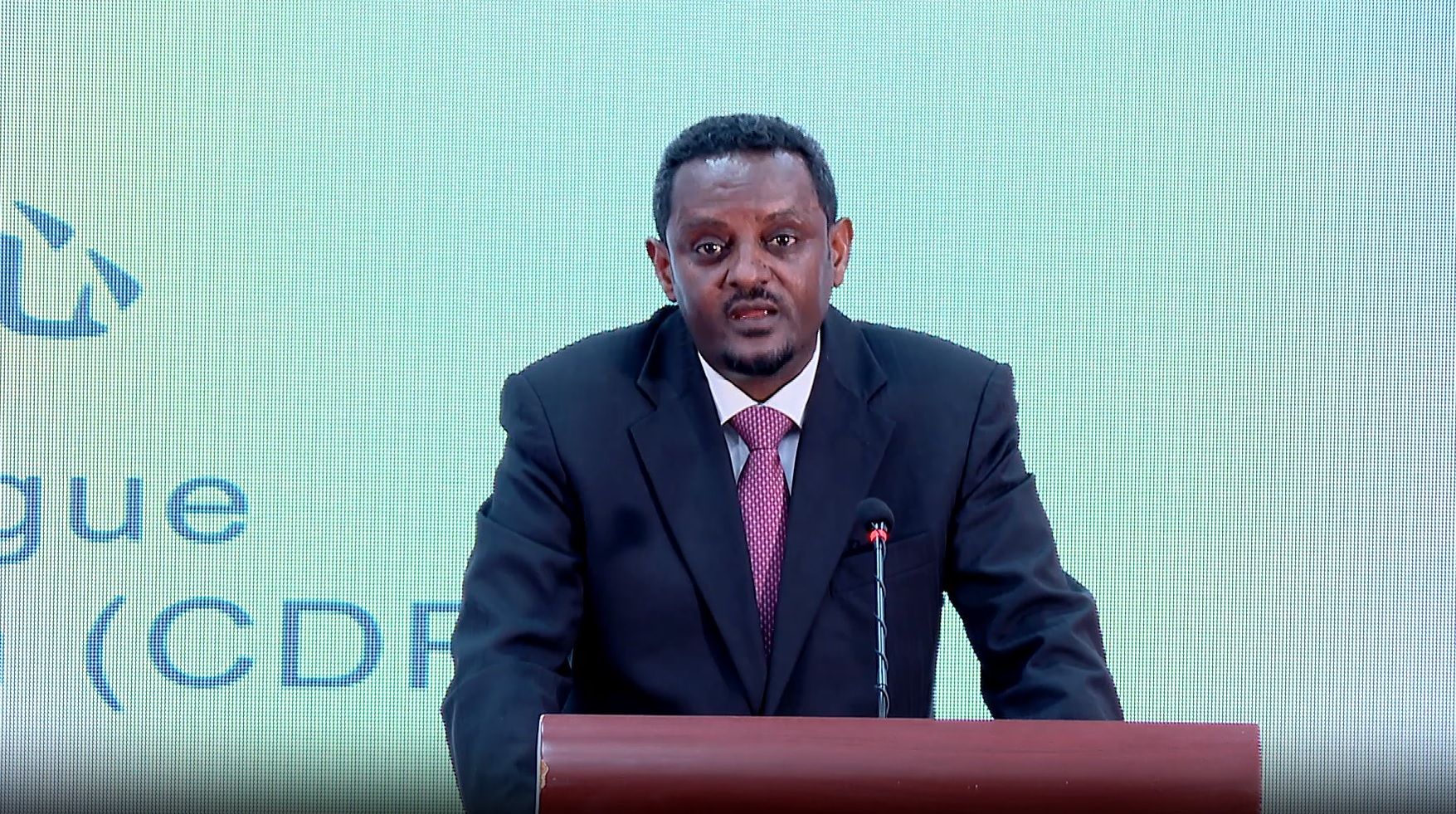
Addis Ababa, November 6, 2025 – The strategic partnership between Ethiopia and China has played a vital role in accelerating the country’s industrialization and modernization efforts. This was highlighted by Simenew Keskis, Advisor to the Ministry of Innovation and Technology, during a seminar organized by the Ethiopian News Agency.
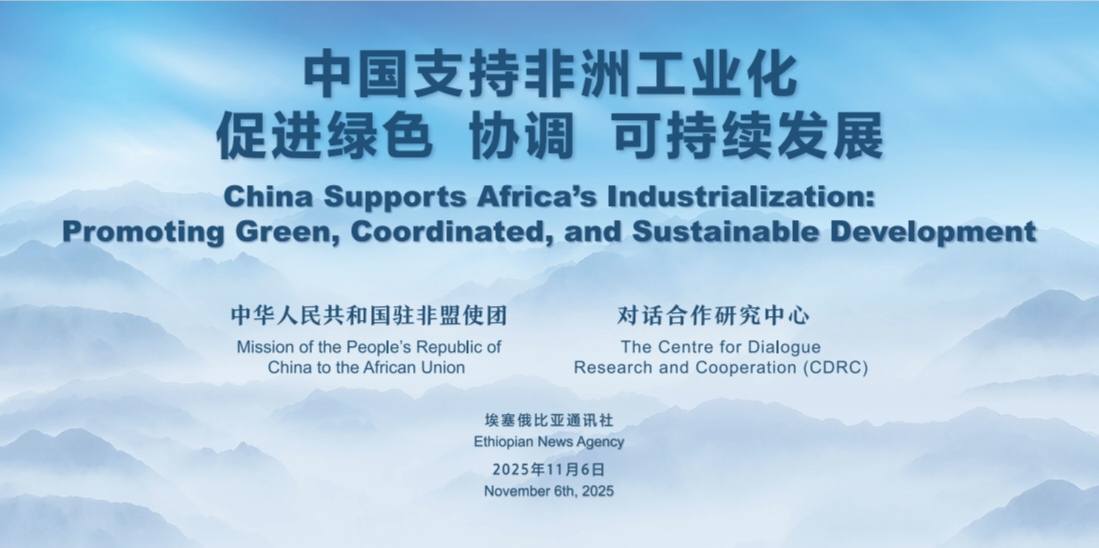
The seminar, held under the theme “China Supports Africa’s Industrialization: Promoting Green, Coordinated and Sustainable Development,” focused on the importance of this collaboration. Simenew emphasized that Chinese President Xi Jinping’s initiative to support Africa’s industrialization represents a pivotal moment for the continent’s integration and modernization.
Industrial development is not just an economic priority for Ethiopia but also a fundamental element of the nation’s aspirations for prosperity and self-sufficiency. Simenew stated, “For us, sustainable industrialization is the only sure road to creating high-value jobs and driving innovation, ultimately propelling our economy toward high-income status.”
Contributions from Chinese Cooperation
According to the Advisor, Ethiopia has greatly benefited from Chinese cooperation. He pointed out the significant investments made by Chinese companies that have established factories and contributed critically to the country’s industrial journey. These investments have brought essential capital, technology, and expertise, creating job opportunities and helping to industrialize the country.
Simenew commended the commitment of Chinese companies to the shared goals of industrial success and called on more Chinese firms to explore investment opportunities in Ethiopia.
China’s Commitment to Africa’s Development
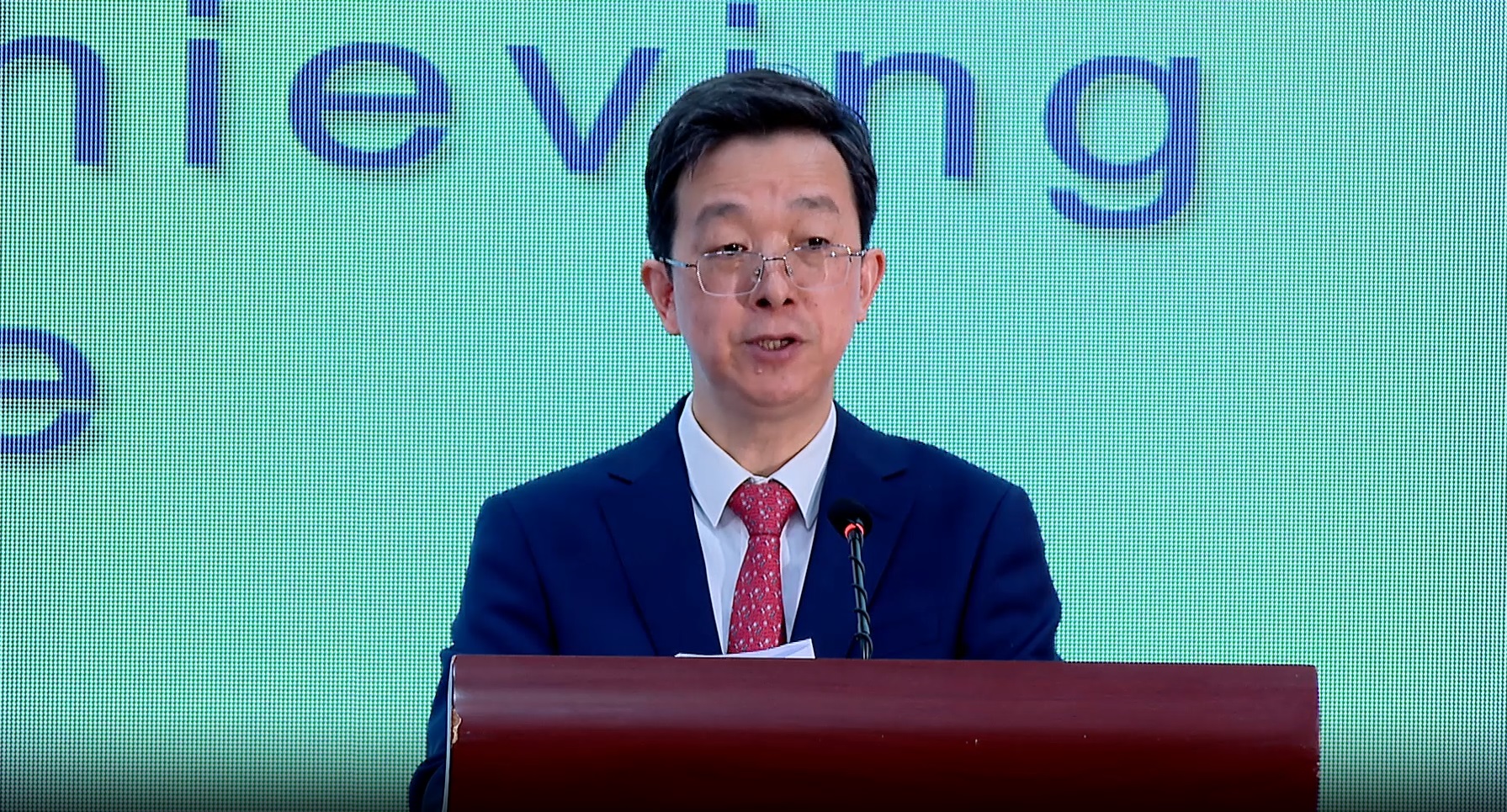
Ambassador Jiang Feng, Head of Mission of China to the AU and Representative of China to the UNECA, highlighted the detrimental effects of unilateral actions by major powers competing for global industrial resources, which have negatively impacted the African economy. As a key member of the Global South, China believes nations should independently define their development blueprints.
Recalling the introduction of the Belt and Road Initiative in 2013 along with the Global Security Initiative and the Global Civilization Initiative, Ambassador Jiang Feng stated that China has been committed to safeguarding the development rights of the Global South, including Africa. At the Beijing summit of the Forum on China-Africa Cooperation (FOCAC) in 2024, he noted that Chinese President Xi Jinping articulated a vision for a joint effort between China and Africa to advance a modernization that is just, equitable, and inclusive.
Vision for a Shared Future
President Xi unveiled plans for “Ten Partnership Actions” for modernization, reaffirming China’s commitment to collaborating with the African Union and individual African nations to effectively implement the initiatives supporting Africa’s industrialization. The Ambassador reiterated China’s support for Africa’s pursuit of green, coordinated, and sustainable industrialization, aligning efforts with the outcomes of the FOCAC Beijing Summit.
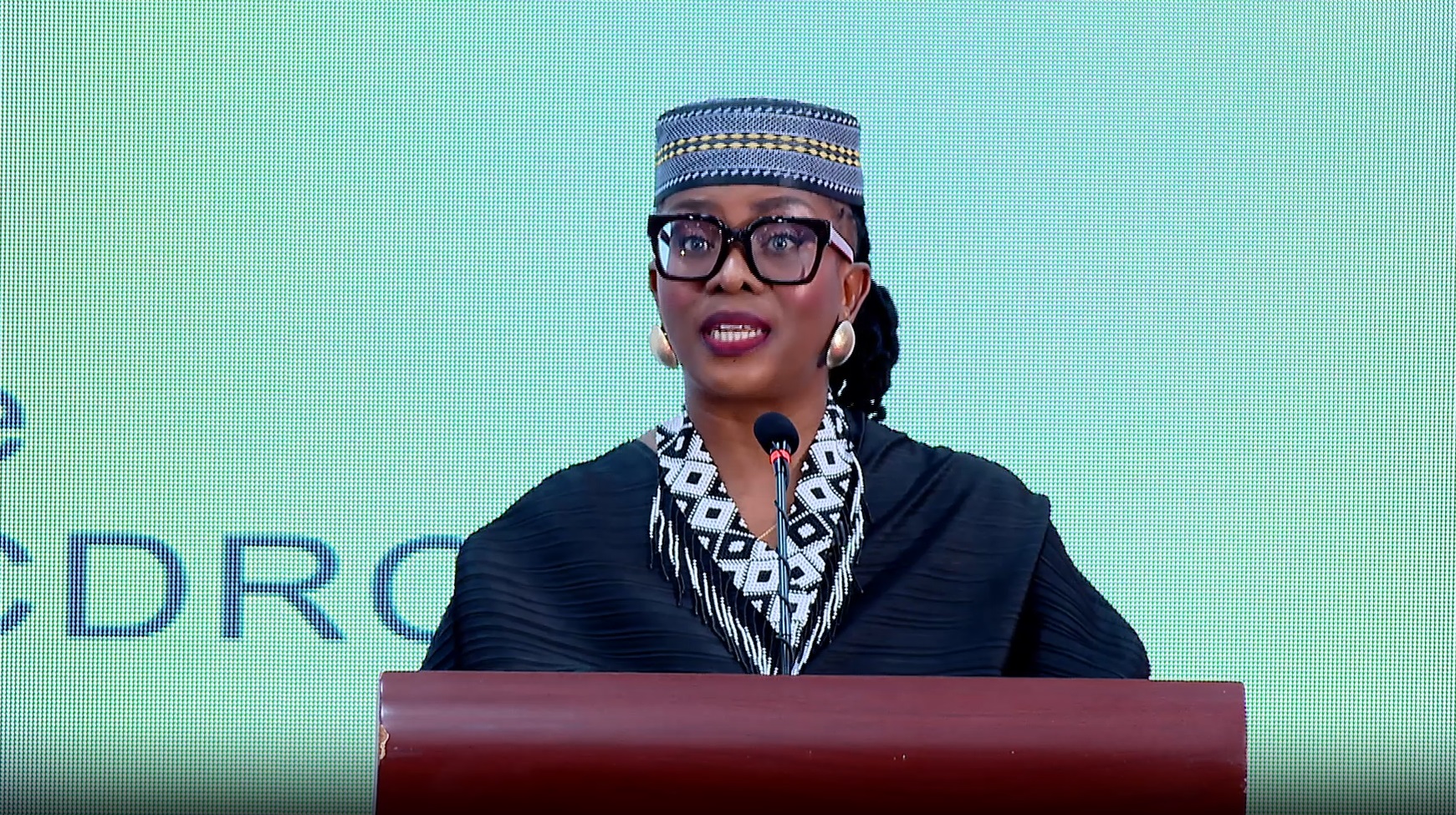
African Union Commissioner for Infrastructure and Energy, Lerato Dorothy Mataboge, stressed the significance of China’s support for Africa’s industrialization, focusing on promoting green, coordinated, and sustainable development that aligns closely with African Union Agenda 2063. She emphasized that Africa is ready to leverage its abundant resources, youthful population, and innovative spirit to usher in a new era of development.
The Importance of Capacity Building
Mataboge stated that industrialization transcends the mere establishment of factories and machinery. It is fundamentally about dignity, self-reliance, and collective prosperity. She cautioned that industrialization without capacity building is similar to planting without preparing the soil.
In this regard, Mataboge recognized China’s steadfast partnership in providing training, scholarships, infrastructure, and knowledge exchanges, which have significantly strengthened African institutions and empowered its people. She further encouraged expanded scholarships and technical exchanges focused on vocational and digital skills as well as the promotion of public-private partnerships that include training and technology transfer.
Emphasizing Digital Infrastructure
Emphasizing the importance of digital infrastructure and literacy, Mataboge described these as essential bridges to the future. She called for deeper collaboration aligned with Africa’s green, digital, and industrial priorities, pointing out the seminar’s timely focus on four key areas of industrial transformation:
- Strengthening industrial strategies
- Advancing new energy and green technologies
- Building resilient local manufacturing systems
- Enhancing digital industries and innovation ecosystems