
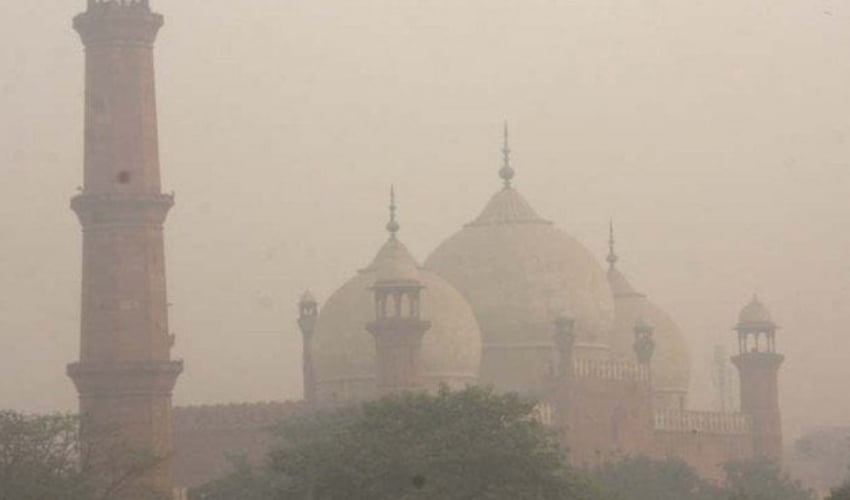
Lahore Remains the Most Polluted Major City in the World
Lahore has once again claimed the title of the most polluted major city globally, with an Air Quality Index (AQI) reading of 372, which is classified as hazardous. This alarming figure was reported by the Pakistan Meteorological Department, highlighting the ongoing crisis faced by the city.
Despite numerous efforts and urgent appeals from local authorities, toxic smog continues to envelop Lahore and several other cities in Punjab. The persistent pollution has led to reduced visibility and significant health risks for residents. The situation is not unique to Lahore; it reflects a broader environmental challenge across the region.
In comparison, New Delhi, the capital of India, ranks closely behind Lahore with an AQI of 290, placing it in second position among the world’s most polluted cities. This indicates that air quality issues are not isolated to one country but are part of a regional problem that requires coordinated solutions.
Within Pakistan, Faisalabad follows Lahore with an AQI of 338, making it the second most polluted city in the country. Multan and Peshawar also report high AQI levels, at 246 and 206 respectively. These figures underscore the severity of the pollution crisis across multiple urban centers.
Several localities in Lahore have recorded AQI readings that exceed 600, which is extremely dangerous for public health. Specific areas include:
- FF Pakistan: AQI of 629
- CRP Office: AQI of 617
- Allama Iqbal Town: AQI of 585
- Model Town Link Road: AQI of 563
- Lower Mall: AQI of 552
- Ravi Road: AQI of 525
These numbers highlight the extreme conditions faced by residents in these areas, where the air quality is far beyond safe limits.
Lahore has been consistently at the top of global pollution charts in recent weeks, raising widespread concern and prompting calls for immediate environmental interventions. The city remains under a thick layer of smog, which is a mixture of fog, vehicle emissions, industrial waste, and smoke from agricultural residue burning.
According to a recent report, Lahore’s air pollution levels have reached more than 80 times the World Health Organization (WHO) safety limit at certain points. This poses severe risks to both respiratory and cardiovascular health, particularly for vulnerable populations such as children, the elderly, and those with pre-existing medical conditions.
The situation demands urgent action from local and national authorities. Measures such as stricter emission controls, increased use of public transportation, and enforcement of regulations on industrial waste disposal are essential to mitigate the impact of pollution. Additionally, raising public awareness about the dangers of air pollution and promoting sustainable practices can play a crucial role in improving air quality.
As the crisis continues, the need for long-term strategies and international cooperation becomes increasingly apparent. Only through collective effort can the health and well-being of millions be safeguarded against the growing threat of air pollution.