
President Lee Jae-myung Emphasizes the Importance of Research and Innovation
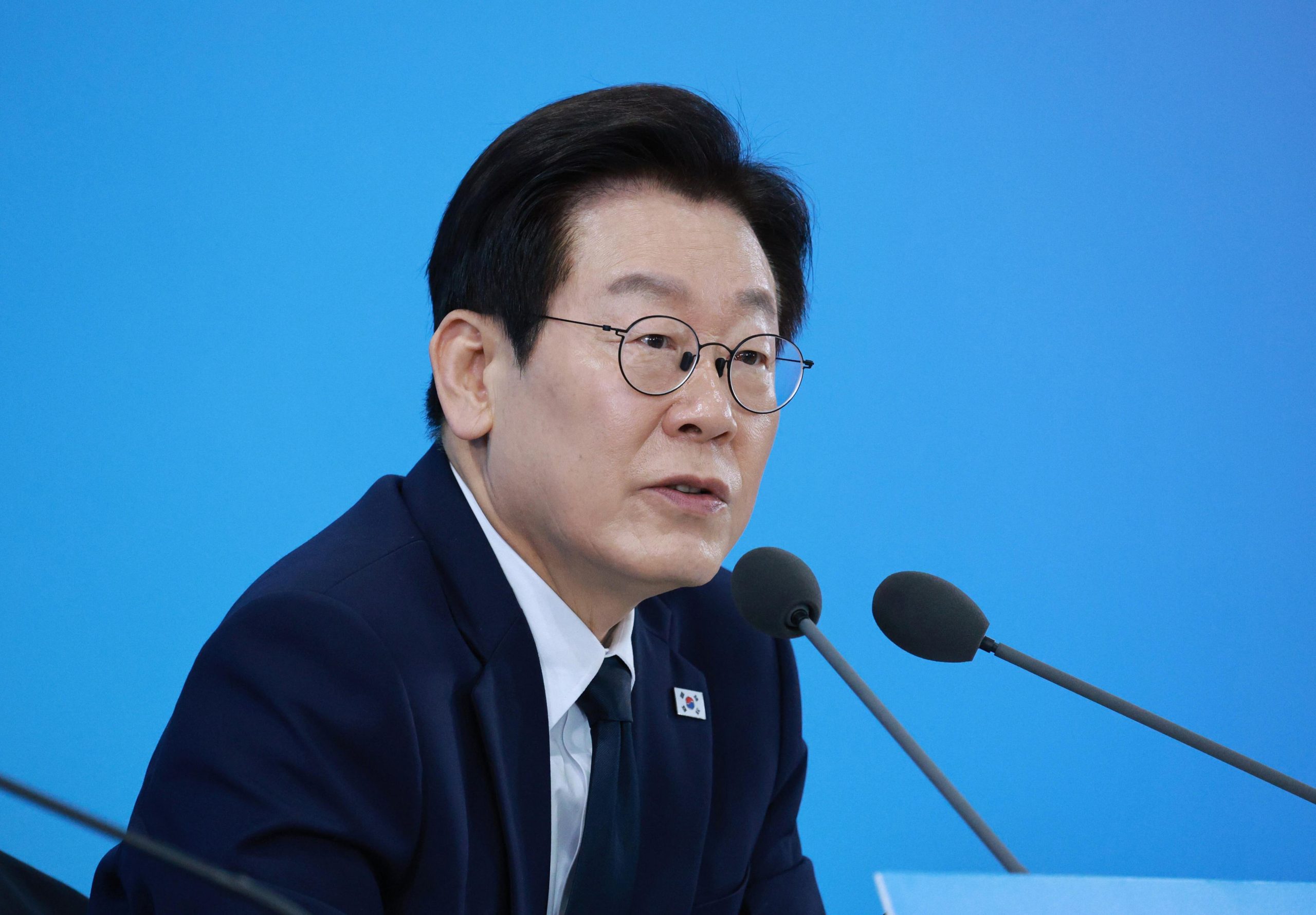
President Lee Jae-myung made a significant statement on the 7th, declaring, “I have decided to grant researchers the freedom and right to fail.” This bold move was part of a broader initiative aimed at fostering innovation within the science and technology research and development (R&D) ecosystem.
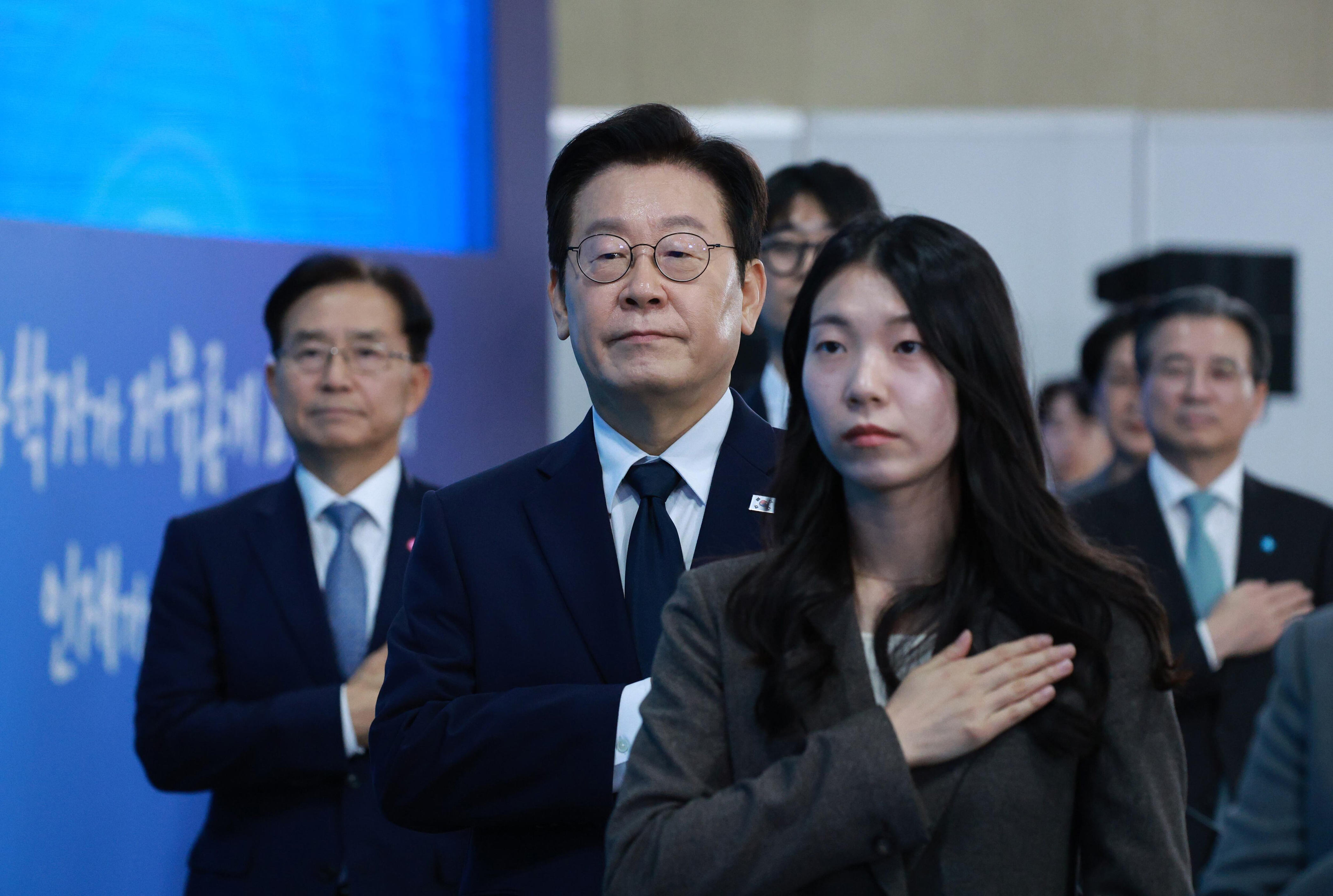
The president delivered this message during a national briefing session held at the National Science Museum in Daejeon. The event, titled “A Republic of Korea Where Scientists and Technologists Can Dream Again,” brought together approximately 200 attendees, including engineering and science university students, graduate students, and representatives from industry, academia, and research institutes.
A New Approach to R&D Investment
President Lee highlighted the importance of national investment in research, stating, “The nation must also study. That is reflected in numbers as the R&D budget.” He pointed out that when looking at the R&D budget in isolation, there are many aspects that raise questions, such as the need for research that may not yield immediate results. These are referred to as basic studies.
He acknowledged that some might question the value of such research, suggesting, “Instead of doing that, let’s just dig holes with that money right away.” However, he emphasized that this is a matter of judgment. President Lee stressed that for the future to exist, the nation, individuals, and companies must invest in R&D. As a result, the government has not only restored the status quo but has also committed to investing national capabilities on an unprecedented scale in science and technology R&D, significantly increasing the R&D budget.
Challenging the Notion of High R&D Success Rates
One of the most controversial points raised by President Lee was his critique of the claim that South Korea’s R&D success rate exceeds 90%. He stated, “The most absurd thing I heard from those involved in R&D was that South Korea’s R&D success rate exceeds 90%. How excellent is it that everything succeeds? That is the most absurd thing.”
He explained that R&D, especially public-sector R&D investment, involves paving new paths for truly difficult challenges. He noted that failure is a natural part of the process, and that these failures can accumulate and become assets for future success. Therefore, he believed that creating an environment where failure is tolerated is essential for the nation’s growth.
Supporting Researchers and Building a Stronger R&D Ecosystem
President Lee also pledged efforts to provide groundbreaking support for the science and technology sector and create an environment where researchers can focus solely on their work. During a pre-briefing, Ha Jung-woo, the presidential office’s AI Future Planning Chief, introduced plans to select about 20 “National Scientists” annually—approximately 100 over five years—who can serve as role models for engineering and science students. These scientists will receive presidential certificates, research activity support funds, and transportation conveniences.
Additionally, Ha outlined ambitious goals for 2030, including attracting 2,000 outstanding overseas talents, establishing new faculty and professional research positions, and increasing the recruitment of researchers at government-funded institutes by over 600. The government also plans to expand the R&D budget to 5% of the government’s total expenditure annually.
Conclusion
President Lee Jae-myung’s vision for the future of science and technology in South Korea emphasizes the importance of allowing researchers the freedom to explore, fail, and learn. By investing in R&D, supporting researchers, and fostering an environment that values both success and failure, the country aims to build a stronger, more innovative future. This approach not only benefits the scientific community but also lays the foundation for long-term economic and technological growth.