
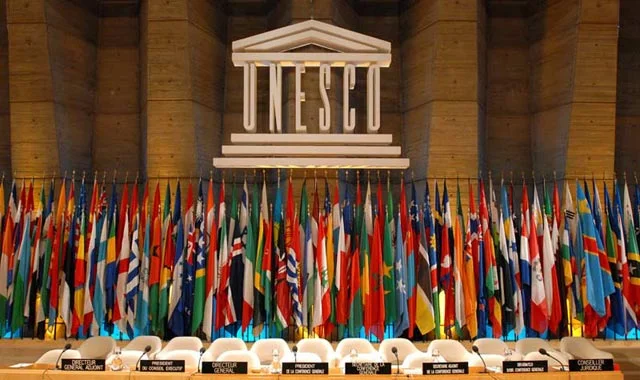
Morocco’s Election to UNESCO’s Executive Board
Morocco has been elected as a member of the Executive Board of the United Nations Educational, Scientific and Cultural Organization (UNESCO). This significant achievement took place during the 43rd session of UNESCO’s General Conference, which is currently being held in Samarkand, Uzbekistan.
The election was a result of a vote in which Morocco received 146 votes, securing its position for a four-year term. The Moroccan delegation in Samarkand confirmed this important milestone, highlighting the country’s growing influence and recognition on the global stage.
Role and Responsibilities of UNESCO’s Executive Board
The UNESCO Executive Board plays a crucial role within the organization. Comprising 58 member states, it operates under the authority of the General Conference. The board is responsible for examining the work program of UNESCO and reviewing the corresponding budget forecasts submitted by the Director-General of the organization.
This responsibility ensures that UNESCO remains aligned with its mission to promote peace, security, and sustainable development through education, science, and culture. The board also oversees the implementation of UNESCO’s programs and initiatives, ensuring they meet the needs of member states and contribute effectively to global goals.
Significance of Morocco’s Membership
Morocco’s election to the Executive Board marks an important step in its engagement with international organizations. It reflects the country’s commitment to multilateralism and its active participation in shaping global policies related to education, science, and cultural heritage.
By joining the Executive Board, Morocco will have the opportunity to contribute to key decisions that affect UNESCO’s activities worldwide. This includes influencing the direction of educational programs, scientific research, and cultural preservation efforts across different regions.
Impact on Global Collaboration
The inclusion of Morocco in the Executive Board is expected to enhance collaboration between the country and other member states. It provides a platform for sharing knowledge, resources, and best practices in areas such as literacy, innovation, and heritage conservation.
Moreover, this membership could lead to increased funding and support for projects initiated by Moroccan institutions. It may also encourage greater participation from other African countries in UNESCO’s initiatives, fostering a more inclusive and diverse global dialogue.
Future Prospects
As Morocco begins its term on the Executive Board, it will need to balance its national interests with the broader goals of UNESCO. This requires a deep understanding of the challenges faced by different regions and a commitment to promoting equitable access to education and cultural resources.
The country’s experience in managing cultural heritage sites and promoting scientific research could be valuable assets in shaping UNESCO’s future strategies. Additionally, Morocco’s diplomatic expertise may help in mediating discussions and finding common ground among member states.
Conclusion
Morocco’s election to UNESCO’s Executive Board is a testament to its growing role in international affairs. It presents an opportunity for the country to contribute meaningfully to global efforts in education, science, and culture. As it takes on this new responsibility, Morocco will play a vital role in ensuring that UNESCO continues to fulfill its mission of building a more peaceful and sustainable world.