Expansion of Russian Military Districts and Forced Conscription
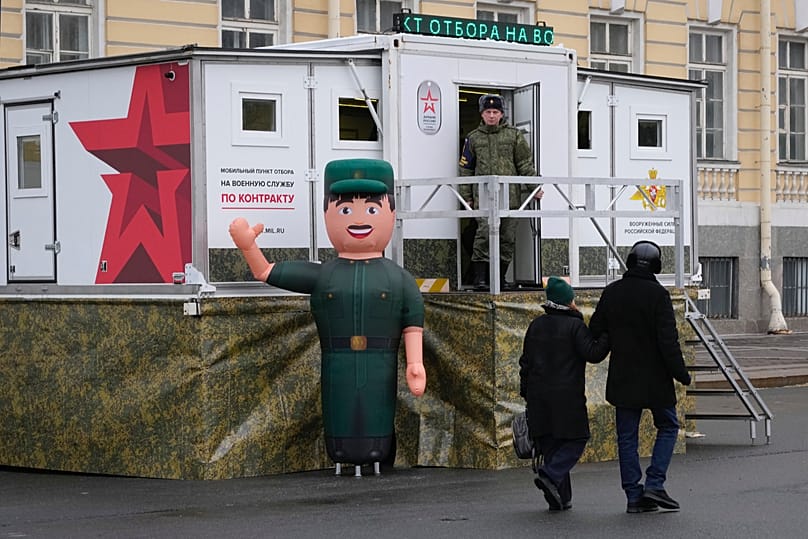
The Kremlin has officially incorporated the temporarily occupied areas of Ukraine’s Donetsk, Luhansk, Zaporizhzhia, and Kherson regions into Russia’s Southern Military District. This move is seen as a strategic step to facilitate the expansion of forced conscription in these territories. Previously, Russia-occupied Crimea had already been integrated into this district, according to reports from Ukraine’s Centre for Countering Disinformation.
“The Kremlin is intensifying its repressive mobilisation policy, laying the groundwork for further illegal conscription of Ukrainians in the temporary occupied territories to compensate for its own military losses,” the centre stated. This strategy reflects Moscow’s broader efforts to sustain its military operations by leveraging local populations in occupied areas.
How Russia Forces Ukrainians to Fight
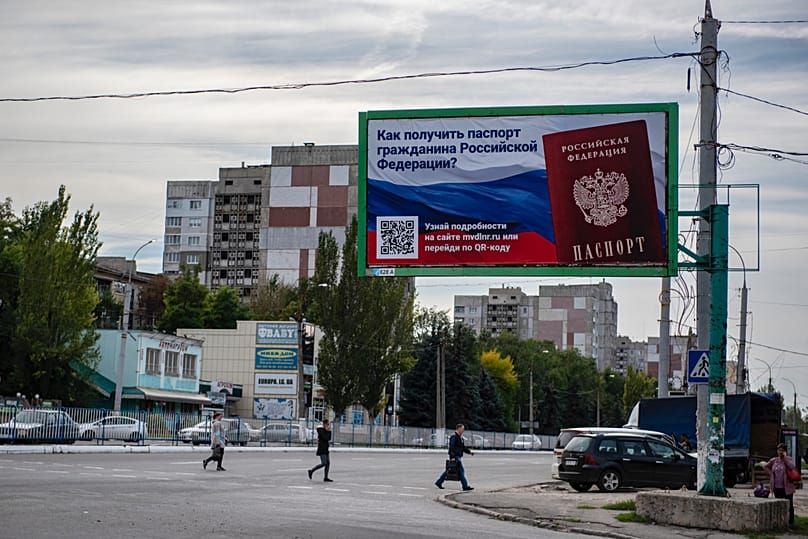
Russia’s forced passportisation campaign in Ukraine has been ongoing since the initial invasion in 2014 and the subsequent annexation of Crimea. After launching a full-scale invasion in 2022, the Kremlin extended this policy to other territories under its control. Those who refuse to obtain a Russian passport in the occupied territories face severe consequences, including restricted access to healthcare, education, social benefits, and even humanitarian aid. With limited options for travel, their lives become increasingly difficult.
In March, the Kremlin issued an order requiring all Ukrainians living in the occupied territories to obtain Russian passports or “leave” by 10 September. This campaign has led to Ukrainian nationals being forcefully conscripted into the Russian army and sent to fight against their own country.
According to the Eastern Human Rights Group and the Institute for Strategic Studies and Security (ISRS), Russia has mobilised approximately 300,000 men from the local population in occupied Ukraine since the start of the war in 2022 until summer 2024. These figures have been corroborated by Ukraine’s intelligence services.
Formalising Year-Round Military Conscription
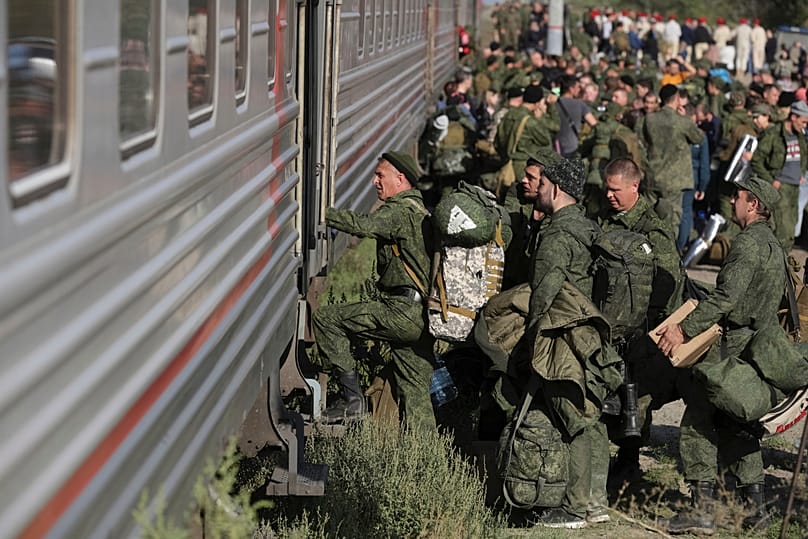
On Tuesday, Russian President Vladimir Putin signed a law on year-round conscription into the army, marking a significant shift from Moscow’s traditional two-year conscription cycle. Previously, young men were drafted twice a year for a year of compulsory service. While conscripts are officially barred from deployment abroad, many are pressured into signing contracts with Russia’s Defence Ministry and are then sent to Ukraine. Even without an agreement, some conscripts have been sent to illegally annexed Crimea.
The bill’s authors claim that the measure is intended to ease pressure on military conscription offices and streamline their operations, which include conducting physicals and assigning conscripts to various military branches. They assert that, although conscription is now year-round, conscripts will only enter military service during specific spring and summer months, as before.
Increasing the Size of the Russian Army
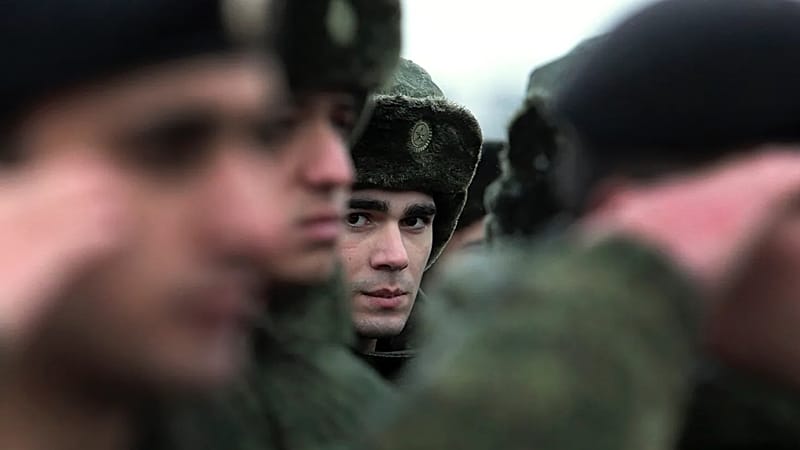
Since the beginning of Moscow’s full-scale invasion of Ukraine, Russia has maintained an army of 1 million troops and has gradually increased its size as the conflict continues. Last year, Putin ordered the number of active soldiers to be increased by 180,000 to 1.5 million. He recently stated that the military has over 700,000 troops fighting in Ukraine.
To combat draft evasion, authorities launched an electronic register of conscripts to serve online summonses in some Russian regions earlier this year. A series of legal restrictions have also been introduced for those who ignore the summonses, including banning bank transactions, suspending driver’s licenses, and blocking foreign travel.
Mobilisation Efforts and Volunteer Recruitment
Amid Russian military setbacks early in the fighting, Putin ordered a “partial mobilisation” of 300,000 reservists in the fall of 2022, a move that was widely unpopular and prompted hundreds of thousands to flee abroad to avoid service. While this decree opened the door for calling up more reservists, the Kremlin shifted focus to bolstering its forces with volunteers, offering relatively high wages and other benefits.
Russian authorities reported that about 440,000 volunteers joined in 2024, and another 336,000 people signed military contracts this year.
Legal Measures and Reservist Deployment
Lawmakers approved another bill that stipulates using reservists for protecting “critically important facilities” in some regions. This measure, aimed at bolstering defences against Ukrainian drones, will not apply to all reservists. Only those who signed contracts to remain in the active reserve will be affected.