
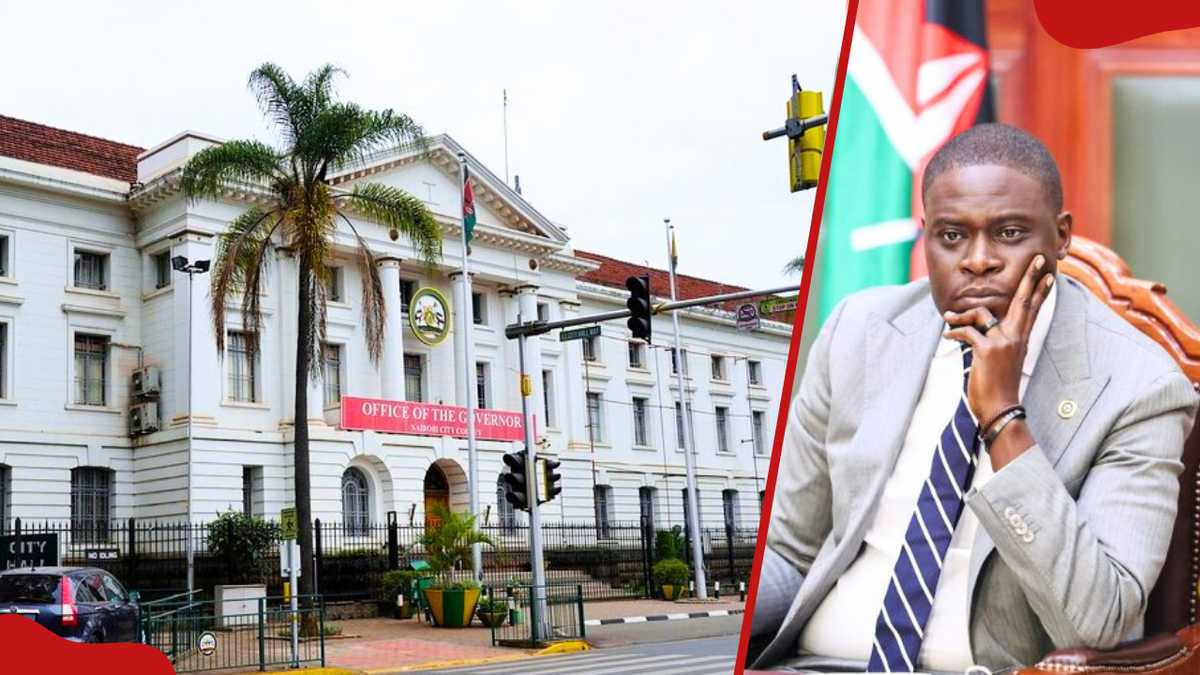
A Landmark Ruling in Nairobi County
A recent court decision has sent shockwaves through Nairobi’s county leadership, as it has forced the Nairobi County Assembly and its Speaker to pay a job seeker KSh 7 million for failing to communicate the outcome of his vetting process. This ruling highlights the importance of transparency and accountability in public administration.
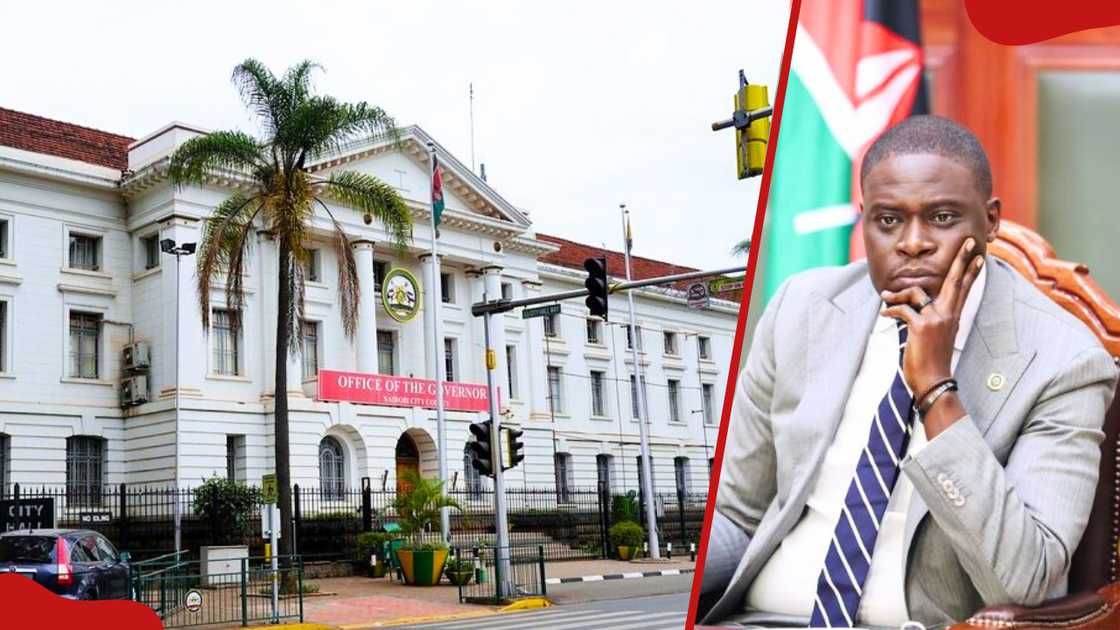
The Employment and Labour Relations Court directed the Nairobi County Assembly and its Speaker to pay the sum after finding that their failure to communicate the results of the job seeker’s vetting process violated his constitutional rights. The court ruled that this prolonged silence was a breach of the rights to access information and fair administrative action.
Why the Nairobi County Was Ordered to Pay
The judgment, delivered by Justice Byram Ongaya in the caseWaqo vs Governor, Nairobi City County & 3 others (Petition E117 of 2025), found that the Assembly breached Articles 35 and 47 of the Kenyan Constitution. These articles protect citizens’ rights to access information and ensure fair administrative actions.
The petitioner, Halkano Dida Waqo, had been nominated on April 15, 2024, for the position of County Chief Officer for Housing and Urban Renewal. His name appeared on a public notice alongside six other nominees. After his vetting by the Lands, Planning and Housing Committee on May 6, 2024, Waqo waited for feedback on whether he had been cleared for appointment.
However, the Assembly did not table or debate the committee’s report on his suitability. Months passed with no communication, even as the other six nominees moved forward and were appointed to their roles. Waqo, left in limbo, claimed that the silence caused him emotional distress, damaged his reputation, and forced him to turn down other opportunities while waiting for the county’s decision.
Did the Nairobi County Assembly Violate the Constitution?
Waqo argued that the Assembly’s conduct went against the constitutional requirements of accountability, openness, and proper administrative practice. The court heard that the committee failed to table its report within the 21 sitting days required under the Public Appointments Act of 2017. When Waqo sought clarification, both the Assembly and the Speaker offered no explanation.
Justice Ongaya found that the assembly and its speaker neglected their legal obligations and effectively “aborted the vetting process,” denying the petitioner the information he was legally entitled to receive. “The 3rd and 4th respondents violated the petitioner’s rights under Articles 35 and 47 of the Constitution when they failed to prepare, table, and communicate the outcome of the vetting report,” the judge noted.
The court stopped short of ruling that Waqo had a guaranteed right to the job, clarifying that nomination and vetting do not ensure appointment. Still, the judge held that the failure to communicate the results was unlawful and procedurally unfair.
Responsibility and Compensation
The Nairobi county governor Johnson Sakaja and the County Government were cleared of direct blame since their role ended at the nomination stage. Responsibility was placed entirely on the County Assembly and its Speaker, who were ordered to jointly compensate Waqo with KSh 7 million for violating his rights and for the emotional harm he suffered.
This ruling serves as a reminder of the importance of transparency and timely communication in public administration. It also underscores the need for all government bodies to adhere strictly to legal procedures and constitutional principles. The case is likely to set a precedent for future appointments and administrative processes in Kenya.