
Establishment of Joint Narcotics Crime Investigation Headquarters
The Ministry of Justice and the Supreme Prosecutors’ Office have finalized the selection of personnel for the Joint Narcotics Crime Investigation Headquarters (JNCIH), which is set to officially launch as early as mid-month, according to government plans. This new unit aims to address the growing challenges posed by narcotics-related crimes in the country.
On the 7th, a source from the legal community revealed that the prosecution will deploy over 40 investigators, including six prosecutors, to the JNCIH. Names such as Shin Joon-ho, former head of the Supreme Prosecutors’ Office’s Narcotics and Organized Crime Planning Division (currently the first chief prosecutor at Busan District Prosecutors’ Office), and Kim Hee-yeon, head of the Criminal Division 2 at Masan Branch of Changwon District Prosecutors’ Office, were included in the list.
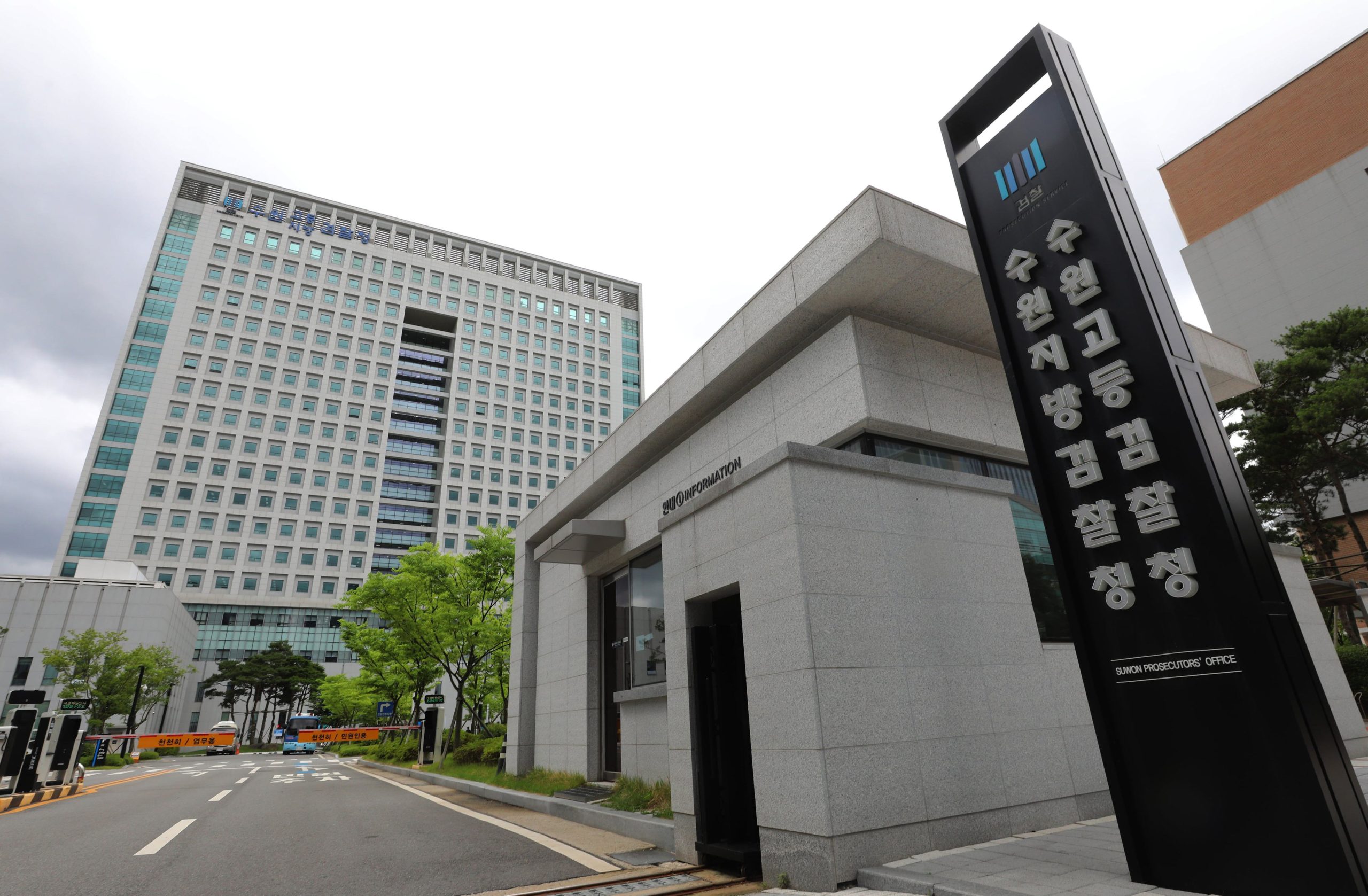
Park Jae-eok (54, Judicial Research and Training Institute 29th class), chief prosecutor of Suwon District Prosecutors’ Office, is reportedly a strong candidate to lead the JNCIH. Park, a seasoned narcotics investigator, previously served as head of the Supreme Prosecutors’ Office’s Narcotics and Organized Crime Division and head of the Violent Crimes Division at Seoul Central District Prosecutors’ Office. During his tenure as head of the Supreme Prosecutors’ Office’s Narcotics Division, he also co-led the interagency Special Narcotics Crime Investigation Headquarters. The JNCIH will be established under Suwon District Prosecutors’ Office.
Expansion of Personnel and Interagency Collaboration
Additionally, over 80 personnel from the police, Korea Coast Guard, Korea Customs Service, and National Intelligence Service are expected to join the JNCIH. This collaboration between various law enforcement agencies is intended to create a centralized control tower for narcotics crime investigations, as such crimes have surged in recent years.
The government’s decision to establish this headquarters comes after previous attempts to create a dedicated narcotics crime investigation unit. Earlier, the Yoon Suk-yeol administration attempted to launch a dedicated narcotics crime investigation unit in December last year, but discussions were halted due to the December 3 emergency martial law crisis.
Future Implications and Institutional Reforms
Within the legal community, there are expectations that the operation of this JNCIH could lay the groundwork for the establishment of ‘The serious crimes investigation agency’ in October next year. Under the Ministry of the Interior and Safety, this agency will be responsible for investigating nine major crimes, including narcotics.
Currently, the interagency Prosecution Reform Task Force under the Prime Minister’s Office is finalizing detailed plans for the operation of ‘The serious crimes investigation agency.’ This move is seen as a significant step toward enhancing the efficiency and coordination of criminal investigations across different sectors.
Key Personnel and Leadership
The leadership of the JNCIH is expected to include experienced officials with a proven track record in handling complex narcotics cases. Park Jae-eok, who has served in key roles within the Supreme Prosecutors’ Office, is considered a top contender for the position of head of the JNCIH. His experience in both narcotics and violent crime investigations makes him a strategic choice for leading the new headquarters.
Other notable figures include Shin Joon-ho, who brings extensive expertise in organized crime and narcotics investigations, and Kim Hee-yeon, known for her work in criminal divisions. These individuals are expected to play critical roles in shaping the operational framework of the JNCIH.
Challenges and Opportunities
While the establishment of the JNCIH marks a significant development in the fight against narcotics-related crimes, it also presents several challenges. Coordinating efforts among multiple agencies requires robust communication and clear lines of authority. Additionally, ensuring the effectiveness of the JNCIH will depend on its ability to adapt to evolving drug trafficking methods and trends.
Despite these challenges, the JNCIH represents a proactive approach to addressing one of the most pressing issues facing the nation. With the right leadership and resources, it has the potential to significantly impact the landscape of narcotics crime investigations in the coming years.