
Nigeria’s Malnutrition Crisis: A Human and Economic Emergency
Nigeria is facing a severe crisis that costs the nation an estimated $56 billion annually due to the devastating impact of malnutrition. This alarming figure was highlighted by Vice President Kashim Shettima, who described the issue as both a human tragedy and a significant economic threat to the country’s future.
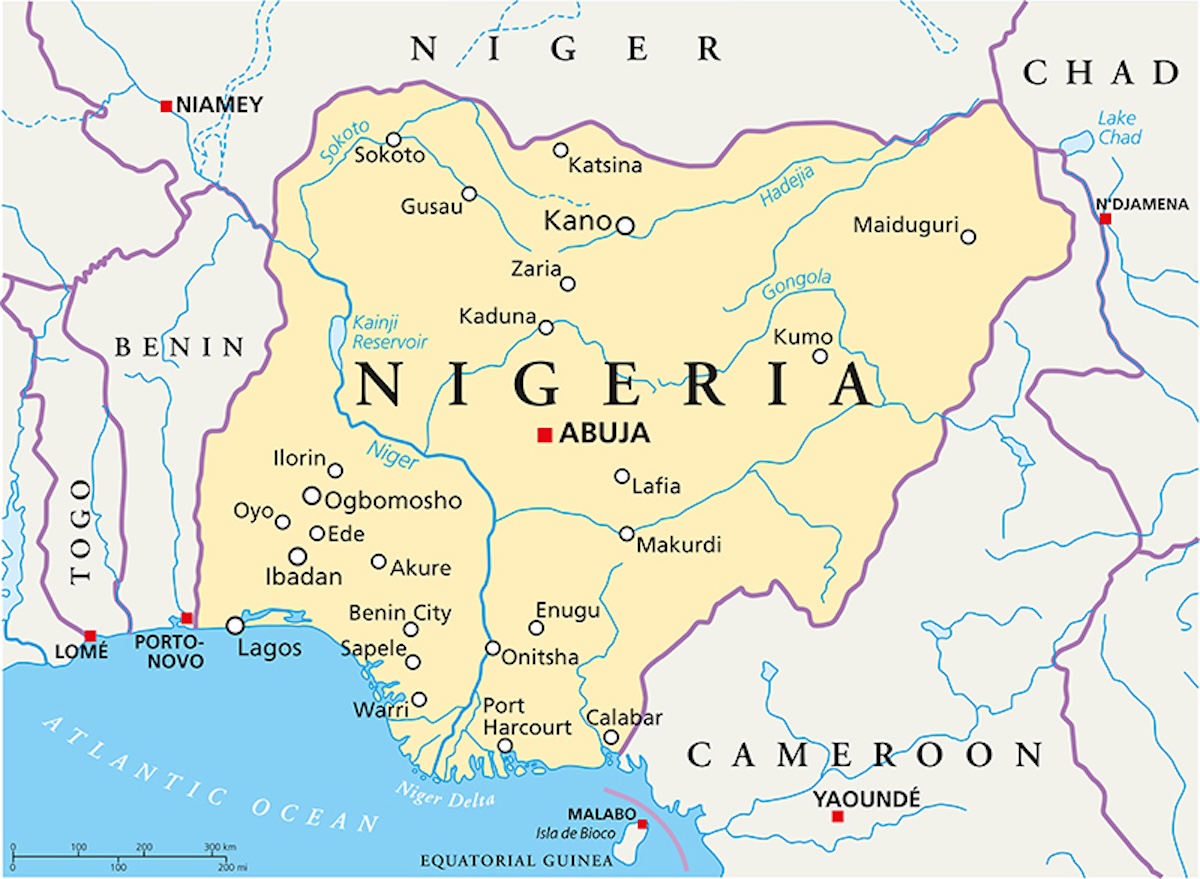
At the High-Level Conference on Mobilising Against Malnutrition in Katsina and the North-West, the Vice President, represented by his Senior Special Adviser on Public Health, Mrs. Uju Vanstatia Rochas-Anwukah, emphasized the urgent need for coordinated national action. He stated, “There is no greater test of our humanity than how we respond to hunger in the land,” urging leaders at all levels to prioritize nutrition.
Shettima commended Katsina State Governor Dikko Umaru Radda for his proactive approach to combating malnutrition, calling the state’s initiatives “a model and a timely response to a national tragedy.” He lamented that child malnutrition remains “a silent crisis that weakens our children, limits our potential, and haunts our collective conscience.”
The vice president stressed that the cost of inaction is staggering, with Nigeria losing billions in human capital productivity each year. However, he noted that every dollar invested in nutrition yields a return of 23 dollars. He reaffirmed the Federal Government’s commitment under President Bola Tinubu to decentralizing nutrition programs through the Nutrition 774 Initiative, ensuring that no community is left behind.
“This conference must not end with communiqués and photographs. Let it end with commitments and timelines. The child in Dutsin-Ma, the mother in Jibia, the family in Funtua—they cannot afford our delays,” he warned.
Katsina State’s Proactive Measures
Governor Radda emphasized that the gathering was not just a policy event but a collective response to an emergency threatening the very foundation of the future and the wellbeing of children. He reaffirmed his administration’s resolve to move from awareness to action, revealing comprehensive reforms in the health sector, including massive investments and measurable improvements in service delivery.
The state government has contributed ₦1 billion to the Child Nutrition Fund in partnership with UNICEF between 2023 and 2025, upgraded hundreds of healthcare facilities, and employed more than 1,600 frontline workers. Radda also disclosed plans to expand Outpatient Therapeutic Feeding Centres across 12 local government areas, establish Tom-Brown and Ready-to-Use Therapeutic Food factories, and distribute 90,000 bags of grains to vulnerable households.
According to him, Katsina is also considering the approval of six-month maternity leave, as well as full implementation of the Child Protection Law and a new Family Law to address social factors that worsen child malnutrition. “We are setting up local production of Tom-Brown and RUTF to stimulate our economy and create jobs for our youth, but we cannot do it alone. We call for sustained partnership from donors, traditional rulers, civil society, and development partners. Let us leave this conference not with promises, but with actionable commitments,” the governor said.
Global Perspective on Malnutrition
The Country Representative of Médecins Sans Frontières (MSF), Dr. Ahmed Aldikhari, revealed that Nigeria has now become the country where the organization treats the highest number of malnourished children globally. He mentioned that nearly 300,000 Nigerian children suffering from severe acute malnutrition were admitted in 2024 alone, more than half of MSF’s total global admissions.
Aldikhari attributed the crisis to the country’s population size and the hunger gap affecting northern Sahelian regions. He commended Shettima for declaring malnutrition a national emergency in March 2025, stressing that both federal and state governments must work with partners to scale up treatment and prevention programs.
He explained that the idea for the conference stemmed from discussions with Governor Radda on the urgent need to expand interventions and align understanding across all sectors to transform commitments into tangible, life-saving actions.
Key Participants and Collaborations
The conference attracted participation from representatives of the diplomatic community and humanitarian organizations, including the German, EU, Swiss, and French envoys. Alongside key Nigerian officials such as the Commissioners for Health and Budget and Planning, senior government advisers, and development experts, the event underscored the importance of collaborative efforts in addressing the malnutrition crisis.