
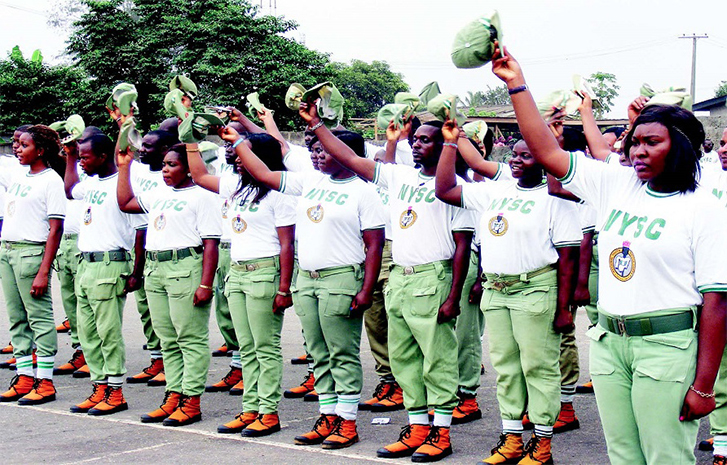
A Legacy of Unity and Service
For over five decades, the National Youth Service Corps (NYSC) has stood as one of Nigeria’s most enduring symbols of unity and national development. Established in 1973 by the administration of General Yakubu Gowon shortly after the civil war, the NYSC was envisioned as a bridge to heal the wounds of division and to foster unity among the diverse ethnic groups that make up Nigeria. The idea was simple yet profound: to bring young Nigerians from different regions together, expose them to other cultures and instill in them a spirit of service to the nation. Fifty-two years later, that vision remains alive. The NYSC continues to serve as a vital national institution that introduces young graduates to the realities of service, sacrifice and nation-building.
Every year, thousands of corps members are deployed to various parts of the country to teach, serve in public offices, contribute to rural development, and participate in humanitarian efforts. For many, it is their first real opportunity to experience Nigeria beyond their hometowns or regions. It is therefore important to recognize that the government has consistently played a major role in sustaining this program. Despite economic constraints, change in political leadership and rising security challenges, successive governments have maintained the NYSC as a national priority. That in itself is commendable.
It shows a recognition of the scheme’s value not just as a rite of passage for graduates but as a tool for unity, national development and youth empowerment. Over the years, the government has introduced several reforms and initiatives to strengthen the scheme. One of the most notable is the Skill Acquisition and Entrepreneurship Development (SAED) program, which equips corps members with vocational and entrepreneurial skills. This initiative has produced thousands of young entrepreneurs who have gone on to create small businesses and employment opportunities for others. Such efforts reflect the government’s understanding that in today’s economy; employability goes beyond academic qualifications. It requires creativity, resilience and skill.
Another area where the government’s effort is evident is in welfare and allowance adjustments. While debates continue about whether the current allowance is sufficient, it is undeniable that the government has made upward reviews over time to cushion the effects of inflation and economic hardship. In addition, partnerships with state governments, local authorities, and private organisations have been strengthened to ensure that corps members receive proper accommodation, transportation, and other essential support in their places of primary assignment.
Addressing Security Concerns
Furthermore, in response to security concerns in parts of the country, the Federal Government, through the NYSC Directorate, has continued to collaborate with the military and police to provide security at orientation camps and ensure safe deployment. In some instances, corps members posted to high-risk areas have been redeployed or given special protection arrangements. These measures may not solve every problem but they show that the government is aware of the challenges and is making genuine efforts to protect those who serve.
However, acknowledging progress does not mean ignoring the issues that persist. Many corps members still face difficulties such as poor living conditions, lack of proper medical care and late payment of stipends. Some are posted to organizations that have little or no meaningful work for them to do, reducing their service year to a routine of signing attendance registers rather than gaining real professional experience. There are also cases where corps members are exposed to insecurity in certain rural areas with inadequate emergency support or insurance coverage. These challenges call for renewed attention.
The government’s effort must go beyond maintaining the scheme; it must reform and modernize it focus to meet present realities. The NYSC of 1973 cannot operate effectively in the Nigeria of 2025 without significant structural improvement. The world has changed and so have the expectations of young people.
Reimagining the Future of NYSC
First, there is a need for stronger collaboration between the NYSC and the private sector. Many corps members possess valuable skills in technology, communication, and innovation, but they are often underutilised. By creating partnerships with industries and startups, the government can help corps members gain relevant work experience, mentorship and job opportunities. This will also make the NYSC year more productive and career-oriented.
Second, the government should consider digital transformation of the NYSC process. From registration to deployment, orientation, and clearance, much of the scheme still depends on manual procedures that cause unnecessary delays and errors. A well-managed digital platform could make administration smoother, more transparent and less stressful for both staff and corps members.
Third, more attention must be given to security and insurance. Serving in unfamiliar locations can be challenging, especially in regions affected by unrest or poor infrastructure. The government must ensure that every corp member is adequately covered by a comprehensive insurance policy that protects them in case of accidents, illness or emergencies during service.
Fourth, there should be continuous monitoring and evaluation of the programme’s impact. Over the years, the NYSC has grown large and complex with thousands of participants spread across the nation. A clear feedback system where corps members can report challenges and propose ideas will help the authorities identify areas for improvement and measure real outcomes in education, health, and community development.
A Lasting Impact
Despite these challenges, it is essential to emphasize that the NYSC remains one of Nigeria’s most successful national programmes. It has produced leaders, innovators and professionals who trace their first experiences of responsibility to their service year. It has fostered friendships and marriages across ethnic and religious lines, contributing quietly to the unity that often seems fragile in other sectors of national life.
The government’s continued support for the NYSC demonstrates a belief in the Nigerian youth, a belief that the energy, creativity and patriotism of young people can be harnessed for the greater good. The scheme has been in existence for over half a century and this is not by accident; it is proof of its relevance and adaptability. Going forward, both the government and the corp members themselves have roles to play.
Conclusion
In conclusion, the NYSC is more than a yearly exercise. It is a living legacy of national unity and youth empowerment. The government deserves credit for its persistent effort to keep the scheme functional despite economic and social challenges. Yet, more can still be done to make it stronger, safer and more relevant to the realities of today’s Nigeria.