
The Art of Distraction: How Second Screening is Changing Our Minds
There’s an old saying that if a bee is bothering you, don’t swat or run away — just stand still and look right at it, because seeing is… bee leaving. But I’m not sure if this advice works anymore, especially in a world where our attention is constantly being pulled in different directions.
And now that I’ve lost your respect, maybe I’ve earned your attention — which is becoming a rare thing these days.
Think about the last conversation you had. Did the listener perhaps produce and start glancing at their phone as you were speaking? Or did they ask you to look at something on their screen?
This behavior mimics something else that has crept into society in recent years: the phenomenon known as “Second Screening” or “Dual Screening.”
What is Second Screening?
Second Screening is a form of multitasking where people feel the need to be occupied with more than one activity. So we watch TV while scrolling social media, or playing a game, and sometimes we even have our laptops on our lap as we get some “easy” work done or browse our e-mails.
According to a recent survey, as many as 72% of people regularly use their phones while watching television. If you’re wondering why, I suspect — and this is pure armchair science — it’s because we’re just not a reading species anymore, which has resulted in our attention spans being decimated!
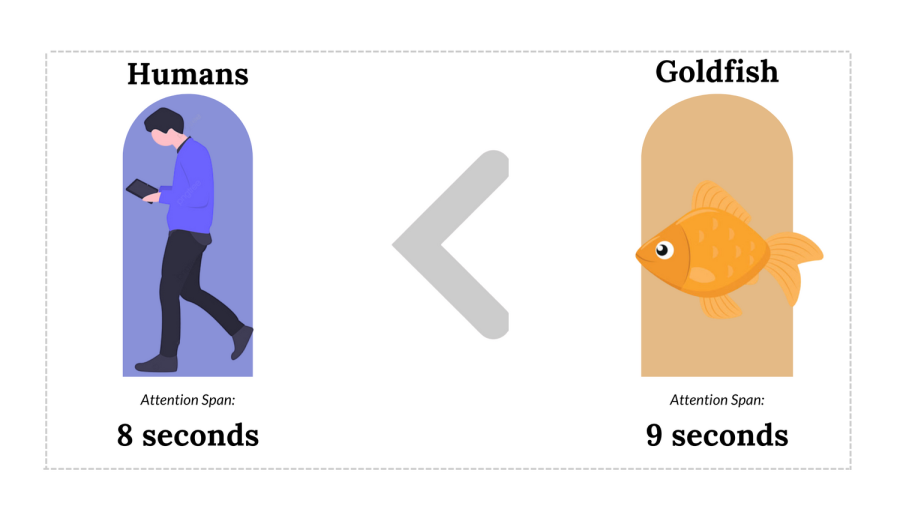
A dwindling attention span means that we cannot concentrate on one source of information for long, so we need — yes, “NEED” — to do something else to give our wandering attention something to hook onto.
The Information Overload Dilemma
Another problem, and I use the word “problem” cautiously, is that we have so much information available to us. It’s tempting, with volumes of knowledge out there, to constantly desire to dip into it. Sometimes we may just want extra information about something we’re watching, so we check our phones to find out more.
Phones have replaced minds, that’s why, I guess, we call them “smart.” We’ve become too dumb to remember simple info. We look up everything … provided there’s a data connection, that is.
Alarmingly, Second Screening has become so bad that movie studios are now catering to a Dual Screening audience. Maybe this is why movies have become so shallow and predictable these days.
The Impact on Media Consumption
Apparently, scriptwriters are being told to slow down their narratives and make some information blatantly obvious, including no-brainer phrases in movies, so that Second Screeners can follow along even though they are only half engaged.
I know that sounds unfair to dedicated movie fans, but remember, studios need to cater to their biggest audience, and if 72% of their viewers are second-screening, the other 28% have to deal with that fallout.
In fact, I saw a perfect example of this obvious scriptwriting the other day. In an action movie, one character asks the other, “How are we going to destroy the communication tower?” The other mercenary opens a duffel bag, packed with explosives, and my mind immediately stitches the obvious together. But no … for our second screeners, the second mercenary says out loud: “We are going to place these charges all around that tower, set the fuses, and blow it to kingdom come!”
Sigh! My eyes rolled.
Why Should We Be Concerned?
One reason, among several, is simply this: When we watch TV and scroll socials, our attention switches really quickly between stimuli. This can rewire the brain to crave more stimulation, and this reduces our ability to focus.
Eventually, this will weaken our ability to filter out irrelevant information, leading to decreased attention span, shallow reasoning ability and a phenomenon known as “continuous partial attention.”
And soon enough, we’ll be that person who believes that staring at a bee makes it go away — because we weren’t paying attention.