
Cameroon’s Political Crisis and the Continuing Rule of Paul Biya
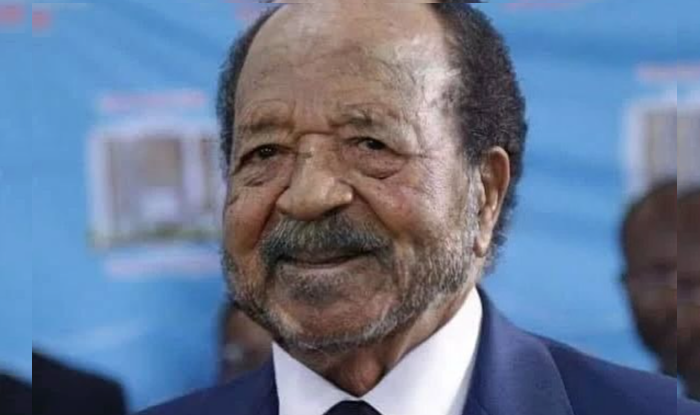
Cameroon’s 92-year-old President, Paul Biya, has been re-elected for an eighth consecutive term, marking yet another chapter in his long-standing leadership. Despite the country being engulfed in post-election violence, Biya has pledged to restore order, emphasizing that it is essential to avoid plunging the nation into further crisis.
In his inaugural address, Biya expressed condolences to the victims of the recent protests and blamed what he called “irresponsible politicians” for the unrest. He assured the public that “order will reign,” a promise that comes amid widespread discontent over the electoral process.
The election results, which showed Biya securing 54% of the vote against Issa Tchiroma Bakary’s 35%, have sparked allegations of fraud. Biya described the election as satisfactory and praised the electoral body, Elecam, for its role in conducting the polls. However, Tchiroma Bakary continues to assert that he was the rightful winner, accusing authorities of fraudulent practices. These claims have been firmly denied by the government.
The announcement of the results led to violent protests across the country. According to the National Human Rights Commission, at least 14 people were killed and over 1,200 arrested. Other organizations have reported significantly higher death tolls, highlighting the severity of the situation.
During his swearing-in ceremony at the parliament in Yaoundé, Biya congratulated the security forces for managing the protests but did not address concerns about the excessive use of force. He emphasized that the election was now in the past, urging citizens to work with him on building a “united, stable, and prosperous” country.
Biya also promised to prioritize issues affecting women and young people, pledging to tackle corruption and security challenges that have plagued his administration for years. His focus on these areas reflects a strategic move to address some of the most pressing concerns among the population.
Biya first came to power in November 1982, following the resignation of President Ahmadou Ahidjo. Critics argue that he has maintained a firm grip on power since then, often accused of authoritarian rule. His continued tenure raises questions about the future of democracy in Cameroon.
Before the inauguration, several regions of the country experienced a general strike organized by Tchiroma Bakary, particularly in his strongholds of Garoua and Douala. Bakary vowed to resist until his “victory” was recognized, calling on foreign powers to impose sanctions on Cameroonian officials over the crackdown on protests and complaints regarding electoral fraud.
Judges at the Constitutional Council dismissed eight complaints about the election, citing insufficient evidence of irregularities or a lack of jurisdiction to annul the results. This decision has further fueled tensions between the opposition and the ruling party.
Tchiroma Bakary, the leader of the National Salvation Front party, was once a government information minister who broke away from Biya to challenge him for power. Despite the controversy surrounding the election, Bakary has refused to file an official complaint, indicating a complex political landscape that continues to evolve.