
Protests Erupt as Tanzania Holds Controversial Elections
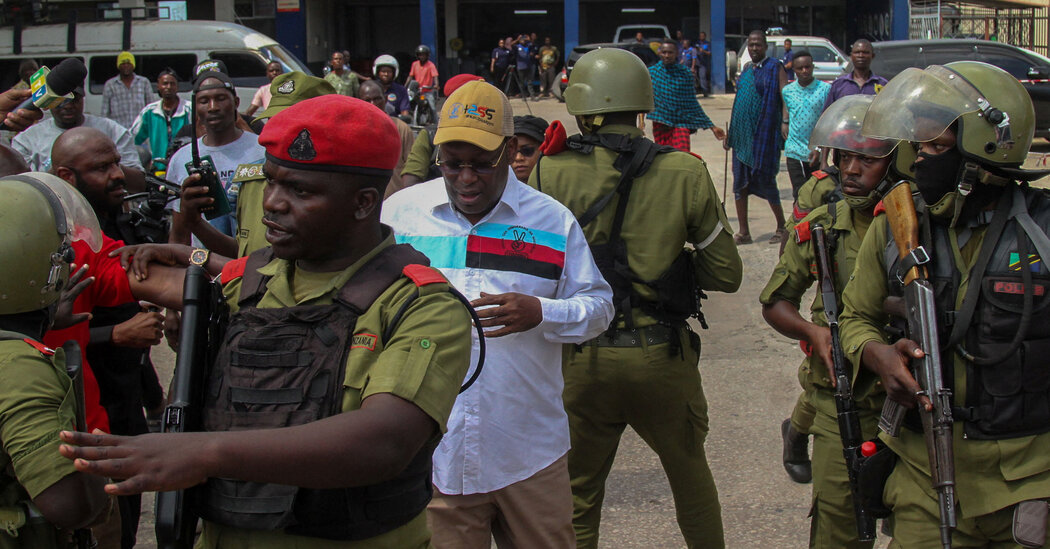
Protests erupted across Tanzania on October 29, 2025, during the country’s general elections. The vote, widely criticized as a “ceremonial” event, saw President Samia Suluhu Hassan emerge as the overwhelming favorite, despite the absence of meaningful opposition. Many observers described the election as a farce, with opposition leaders either jailed or barred from participation.
Internet Shutdown and Curfew
The electoral process was marred by severe restrictions on information flow. Live network data from NetBlocks confirmed that Tanzania imposed a nationwide internet shutdown early on Wednesday morning, disrupting mobile data services and blocking access to social media platforms. This blackout coincided with the start of voting, raising concerns about an attempt to suppress the spread of information.
By evening, the government imposed a nationwide curfew, urging students and civil servants to remain indoors for the following day. Despite the internet restrictions, images and reports of protests continued to circulate, highlighting widespread discontent over what many citizens and regional observers called a sham election.
Opposition Excluded, Democracy in Decline
Both the main opposition party, CHADEMA, and ACT Wazalendo were excluded from participating in the elections. Tundu Lissu, a prominent opposition leader, was arrested earlier this year on charges of treason, which human rights groups have labeled as fabricated. His arrest, along with the systematic suppression of dissent, has raised alarms about an authoritarian shift in Tanzanian politics.
Human rights organizations, including Amnesty International, have documented a climate of repression, intimidation, and fear. Their report, “Wave of Terror Sweeps Across Tanzania,” details cases of enforced disappearances, torture, and unfair trials targeting critics of the regime. Opposition leaders and activists have faced severe restrictions on their freedom of movement, effectively preventing them from engaging in normal political activities.
Targeting of Religious Leaders and Civil Society
The crackdown has also extended to religious leaders who have spoken out against government abuses. In June, the Ufufuo na Uzima Church, led by Bishop Dr. Josephat Gwajima, was deregistered, citing alleged violations of the Societies Act. This move came shortly after the bishop publicly condemned abductions and enforced disappearances.
Other clergy, including Bishop Benson Bagonza of the Evangelical Lutheran Church and Bishop Dickson Kabigumila, have reported threats or fled the country. Several religious figures, journalists, and political activists remain missing, with families demanding justice.
Regional Reactions
Regional human rights groups have expressed strong condemnation of the situation in Tanzania. The Kenya Human Rights Network issued a statement condemning the ongoing violations, emphasizing that the principles of the East African Community are being undermined.
“The tragic occurrences we are witnessing in Tanzania go against the very principles that underpin the East African Community,” the statement read. “Borders will not limit our brotherhood and sisterhood. Injustice anywhere is a threat to justice everywhere.”
The group noted that no credible international observation missions were allowed into Tanzania. Countries such as Belgium, Sweden, Germany, and Ireland withdrew their participation, while the United Nations Development Program (UNDP) also refrained from engaging in the electoral process. The African Union (AU) and East African Community (EAC) sent only symbolic delegations, drawing criticism for “legitimizing repression.”
Earlier this year, a delegation from Kenya, including Boniface Mwangi and Agather Atuhaire, were detained and later deported from Tanzania after attempting to attend Tundu Lissu’s trial. They were later assaulted and subjected to torture during their detention.
A Regional Warning
There are growing concerns across East Africa that the Tanzanian crisis reflects a broader pattern of shrinking democratic space in the region. The KHRC statement concluded: “Africans are rightfully outraged that the African Union, an institution meant to defend human rights, democracy, and the rule of law, has chosen silence over principle.”
As of Thursday evening, Dar es Salaam remained tense under heavy police presence, with sporadic protests continuing despite the curfew. The official election results are expected to be announced in the coming days.