
Key Legislative Challenges Facing Romania
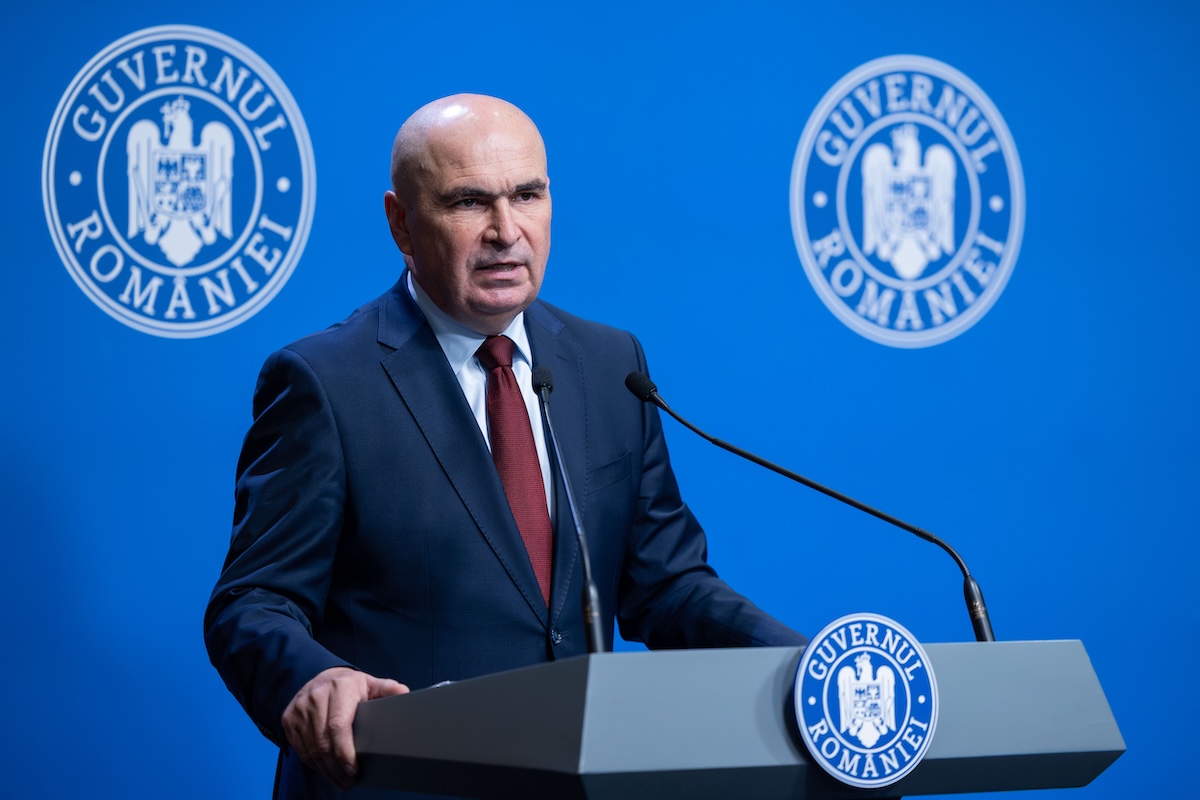
Prime Minister Ilie Bolojan has emphasized the urgency of passing the remaining components of the second budgetary package by the end of the month. This includes the law on public administration streamlining and the magistrates’ pensions legislation. Without these measures, he warned, next year’s budget planning cannot be conducted in a “healthy way.”
The ruling coalition reportedly agreed to reduce the number of employees in local administration by 13,000. However, the final document outlining this reduction is expected to be drafted by the Ministry of Development by next week.
Magistrates’ Pensions Law: A Critical Priority
Bolojan highlighted that the magistrates’ pensions law is essential and hopes it will be adopted within two weeks. However, this timeline is considered optimistic given the Social Democrats’ push for “broader consultations” with magistrates’ bodies, which have rejected any discussion on the matter.
The failure to pass the second budgetary package could undermine the government’s fiscal consolidation plan, aiming for a 6% GDP deficit by 2026. Bolojan argued that without these laws, the plan would lack credibility among investors, potentially leading to a public debt interest of RON 60 billion or 3% of GDP next year. He noted that the interest on public debt would account for nearly half of the deficit.
Constitutional Court’s Impact on Fiscal Measures
In addition to the magistrates’ pensions law, another law in the second package needs revision in line with the Constitutional Court’s recommendations—the law on fiscal measures. Bolojan explained that two articles in the fiscal package law have been declared unconstitutional, and the court’s reasoning is awaited.
“The motivation for these decisions should appear in the coming days, allowing us to make some decisions and return for adoption,” he stated.
The fiscal package law includes the “tax on affiliates,” which restricts the deductibility of expenditures with foreign affiliates. This measure poses significant challenges for multinational companies operating in Romania.
Social Equity and Budget Revenue Impacts
Bolojan stressed that the projects in the second budgetary package have implications for both budget revenue collection and social equity. These measures aim to ensure a balance between economic stability and social justice.
Potential Use of Accelerated Procedures
When asked about using an accelerated procedure—without a vote but possibly leading to a no-confidence motion—for the unlegislated projects, Bolojan indicated that at least the fiscal package law, which requires re-legislation after the Constitutional Court’s ruling, could be adopted through such a process.
This approach highlights the government’s determination to move forward with critical legislative reforms despite political challenges and constitutional hurdles. The outcome of these efforts will significantly impact Romania’s economic trajectory and its ability to meet long-term fiscal goals.