
Strengthening Partnership Between SADC and Germany
The Southern African Development Community (SADC) and the Federal Republic of Germany have reaffirmed their longstanding partnership during the latest round of bilateral negotiations on development cooperation. These discussions took place from 5-6 November 2025 at the SADC Secretariat Headquarters in Gaborone, Botswana. The talks highlighted the enduring collaboration between the two parties, emphasizing mutual respect, shared vision, and a commitment to sustainable development.
High-Level Discussions and Key Participants
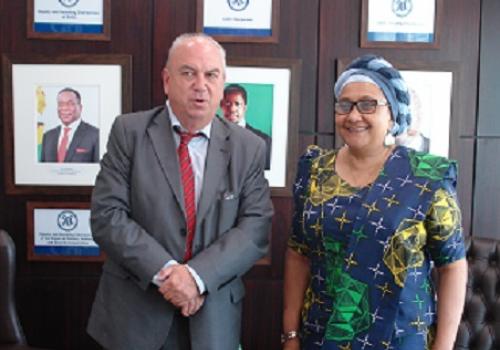
The negotiations were co-chaired by H.E. Mr. Elias Magosi, Executive Secretary of SADC, and Ms Birgit Gerhardus, Head of the Division for Southern Africa at Germany’s Federal Ministry for Economic Cooperation and Development (BMZ). H.E. Ms Gabriela Bennemann, German Ambassador to Botswana and Special Representative to SADC, also participated in the discussions. This high-level engagement underscored the significance of the partnership and the shared goals of both nations.
The biennial negotiations mark over four decades of cooperation between SADC and Germany, a relationship that has been built on a foundation of trust and common objectives. The previous round of talks took place in Berlin in December 2023, setting the stage for continued dialogue and collaboration.
Financial Commitments and Strategic Priorities
Germany pledged an additional €26.1 million in bilateral development support for the 2025 cycle. This funding will be directed toward key regional priorities, including:
- Regional economic integration and trade: Supporting efforts to enhance economic cooperation among member states.
- Transboundary water management: Addressing challenges related to water resources across borders.
- Natural resource and biodiversity conservation: Focusing on protecting the region’s rich ecosystems.
- Reducing human-wildlife conflict: Implementing strategies to mitigate tensions between communities and wildlife.
- Institutional strengthening and capacity building: Enhancing the capabilities of local institutions to drive development.
This support will be implemented at both the regional and Member State levels, ensuring that the benefits reach all parts of the region.
Additional Support and Strategic Initiatives
In addition to bilateral funding, Germany committed resources from its continental envelope to support several strategic initiatives. These include:
- SADC’s Law Enforcement and Anti-Poaching Strategy (LEAP): Aiming to strengthen law enforcement and combat poaching.
- The Regional Energy Master Plan: Focusing on developing sustainable energy solutions for the region.
- The North-South Corridor infrastructure initiative: Enhancing transportation and connectivity across the continent.
- The “Silence the Guns” Plan of Action on illicit arms control: Working to reduce the flow of illegal weapons.
Germany will also assist in fostering decarbonised, inclusive, and transformative value chains for transition minerals across the region. Furthermore, Germany’s global programmes will continue to support SADC in areas such as disaster risk management, gender-based violence prevention, and aquatic food systems.
Navigating a Complex Global Landscape
Both parties acknowledged the increasingly complex global landscape, shaped by geopolitical tensions and economic shifts. In this context, they emphasized the strategic importance of their partnership in advancing regional integration, poverty eradication, and sustainable development. This aligns with SADC Vision 2050 and the Regional Indicative Strategic Development Plan (RISDP 2020-2030).
Commitment to Continued Collaboration
The SADC Secretariat expressed gratitude for Germany’s continued support and reaffirmed its commitment to working collaboratively with all partners to implement the expanded development agenda. This partnership is vital for driving progress and achieving long-term sustainability in the region.